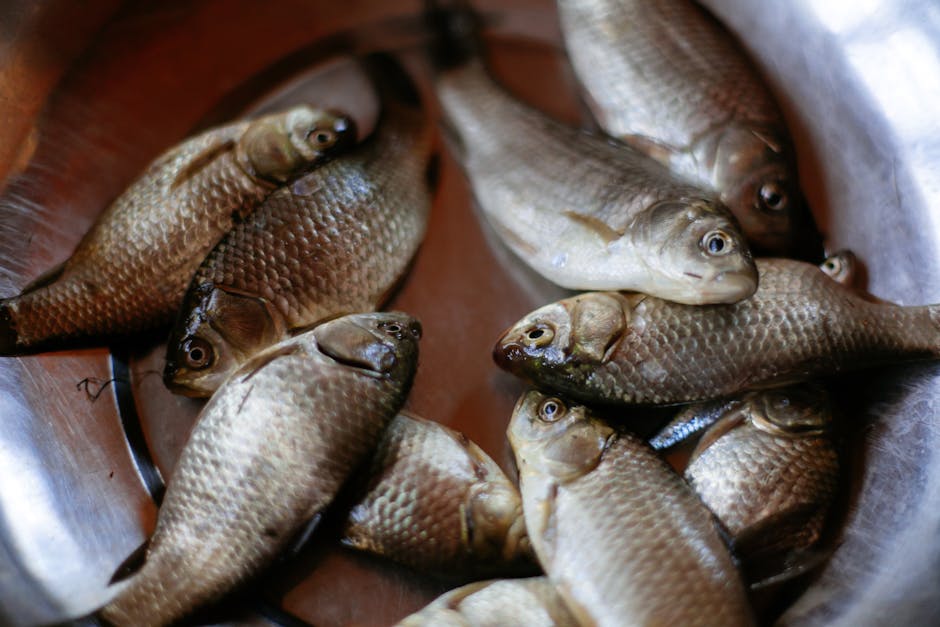
Catching big bluegills can be an exciting challenge, especially in bass lakes where most anglers typically focus their efforts on larger game fish. Renowned fishing guide Jim Duckworth emphasizes that bluegills often go unnoticed in these expansive waters. "Bluegills and shellcrackers tend to be totally ignored in big waters," said Duckworth. "And they can grow huge as a result."
For anglers looking to reel in larger bluegills, Duckworth recommends targeting these fish during peak spawning times. May is considered prime season for finding substantial bluegills. "They’re often spawning now, so head for the back of a cove or tributary arm," he urged. By utilizing polarized sunglasses, anglers can spot the clusters of spawning beds, which resemble small lunar craters on the lake bottom. "You should see bluegills darting all around them," Duckworth added.
In addition to spawning sites, Duckworth advises fishermen to look for bluegills in shaded areas, such as beneath overhanging trees and boat docks, as well as near submerged logs and weed patches, particularly in water depths of 2 to 8 feet. These locations can provide shelter and feeding opportunities for the fish.
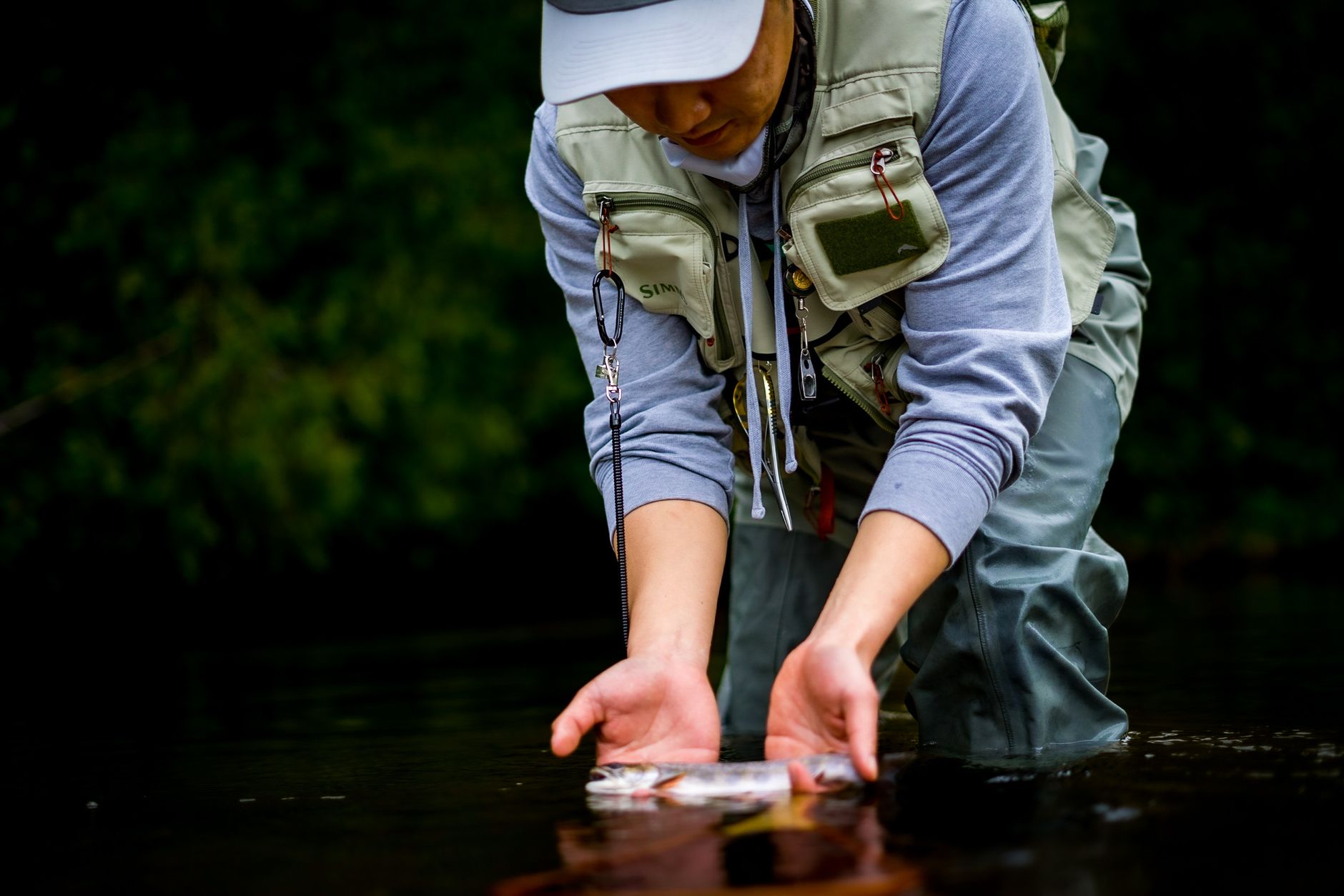
When it comes to rigging for bluegills, live bait is a reliable option, especially if fishing with children. Duckworth suggests threading two or three fat crickets onto a No. 2 Tru-Turn Blood Red long-shank panfish hook and suspending them 2 to 4 feet under a small bobber. "Once you’ve located a school of bluegills, pinching a tiny split shot just above the hook gets the bait into the strike zone quicker," he explained.
For those aiming for particularly large bluegills and shellcrackers, Duckworth favors small artificial lures, including the Johnson Beetle Spin and Blakemore Road Runner. He recommends using a 1/8 ounce weight around shallow spawning beds, while a 1/4 ounce is better suited for deeper waters beneath docks. Duckworth explained, "Both of these lures produce flash and vibrations that trigger strikes from monster bluegills. Simply cast them past your target and slow-roll them back to the boat."
Using a 5 1/2-foot light-action spinning outfit equipped with 6-pound line enhances the effectiveness of the fishing experience. This setup allows for better control and action when using both live bait and artificial lures.
For those eager to catch big bluegills, Duckworth's insights highlight accessible methods and strategies that increase the likelihood of landing these feisty fish. Whether in local lakes or larger reservoirs, applying these expert tips can lead to a successful day on the water.
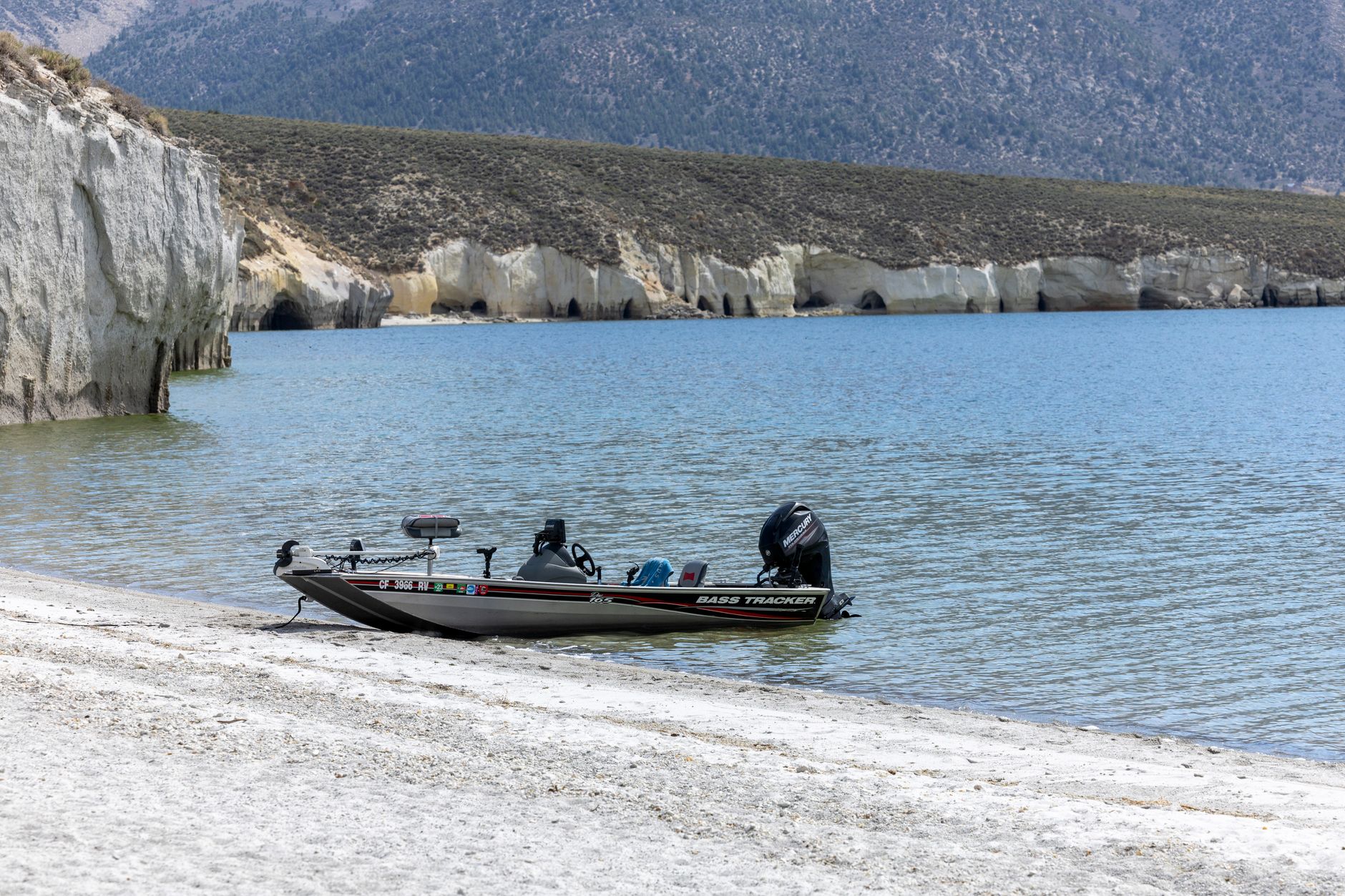
As fishing enthusiasts gear up to try their luck at catching bluegills, understanding their behavior during different seasons and employing the right techniques will be crucial. With the right approach, anglers can experience the satisfaction of landing big bluegills in bass lakes, potentially leading to a memorable fishing experience.