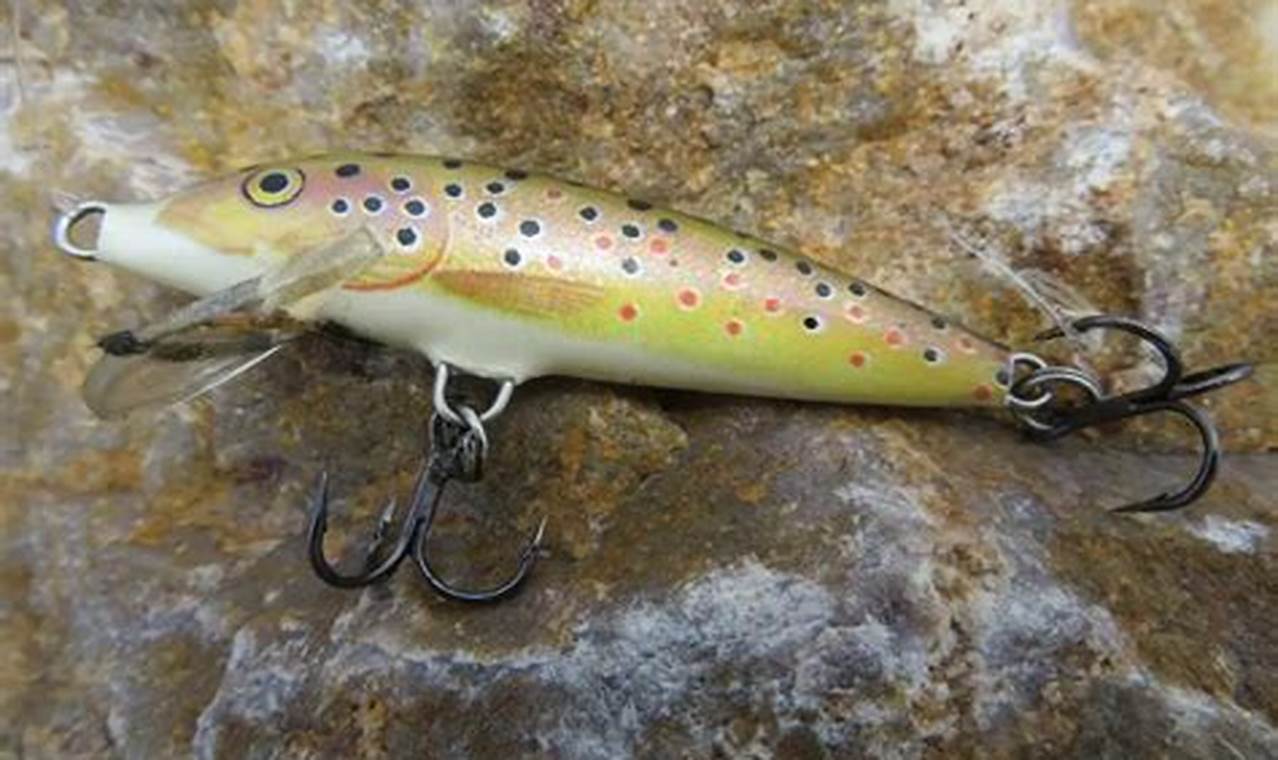
When it comes to trout fishing, the choice of lure plays a critical role in the success of your catch. An artificial bait, designed to mimic prey, can significantly enhance angling outcomes. "Selecting the right lure is not just about fishing; it’s about understanding what fish are eating at that time," said fishing expert John Simmons.
To help anglers improve their techniques, experts offer several practical guidelines.
**Size Matters**: The first tip emphasizes the importance of profile size. Anglers should match the size of their lures to the prevalent forage in the water body they are fishing. "Smaller lures often work better in clear water or under conditions when fish are pressured," advised Simmons. This approach can lead to more strikes from cautious trout.
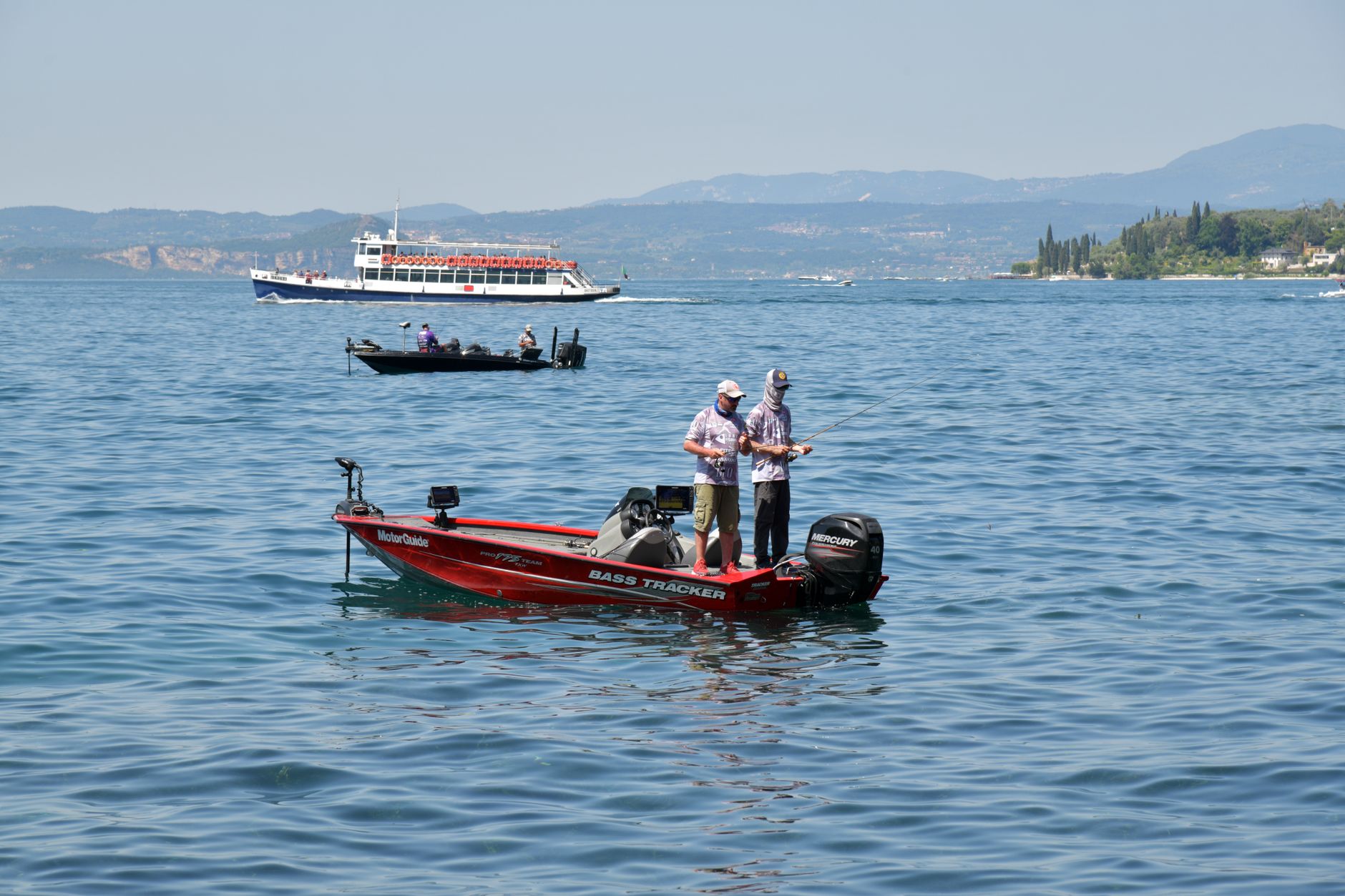
**Color Considerations**: The next aspect to consider is color. In murky waters, bright and high-visibility colors tend to be more effective. "When you are in clear water, opt for natural patterns that blend with the environment," suggested seasoned angler Mike Johnson. The relationship between water clarity and color visibility is crucial for enticing fish.
**Presentation Variety**: Understanding how to present the lure can also make a significant difference. Anglers are encouraged to experiment with different retrieval techniques. "A slow, steady retrieve might appeal to lethargic fish, while an erratic, rapid one could mimic prey fleeing, triggering reaction strikes," explained local fishing guide Sarah Thompson. This diversity in technique can help cater to differing fish behaviors.
**Depth Control**: Effective fishing also requires knowledge of water depth. Lures should be presented at the appropriate depth to reach the fish. "Using weighted lures or adding split shot can help get your bait where the fish are,” said Thompson. Understanding the fish's location in the water column is integral to a successful presentation.
**Seasonal Adaptation**: As seasons change, so does trout behavior and diet. Therefore, adaptability is key. "During spawning seasons, consider patterns that mimic fish eggs or juvenile fish," Johnson advised. Recognizing these seasonal patterns can guide anglers in their bait selection.
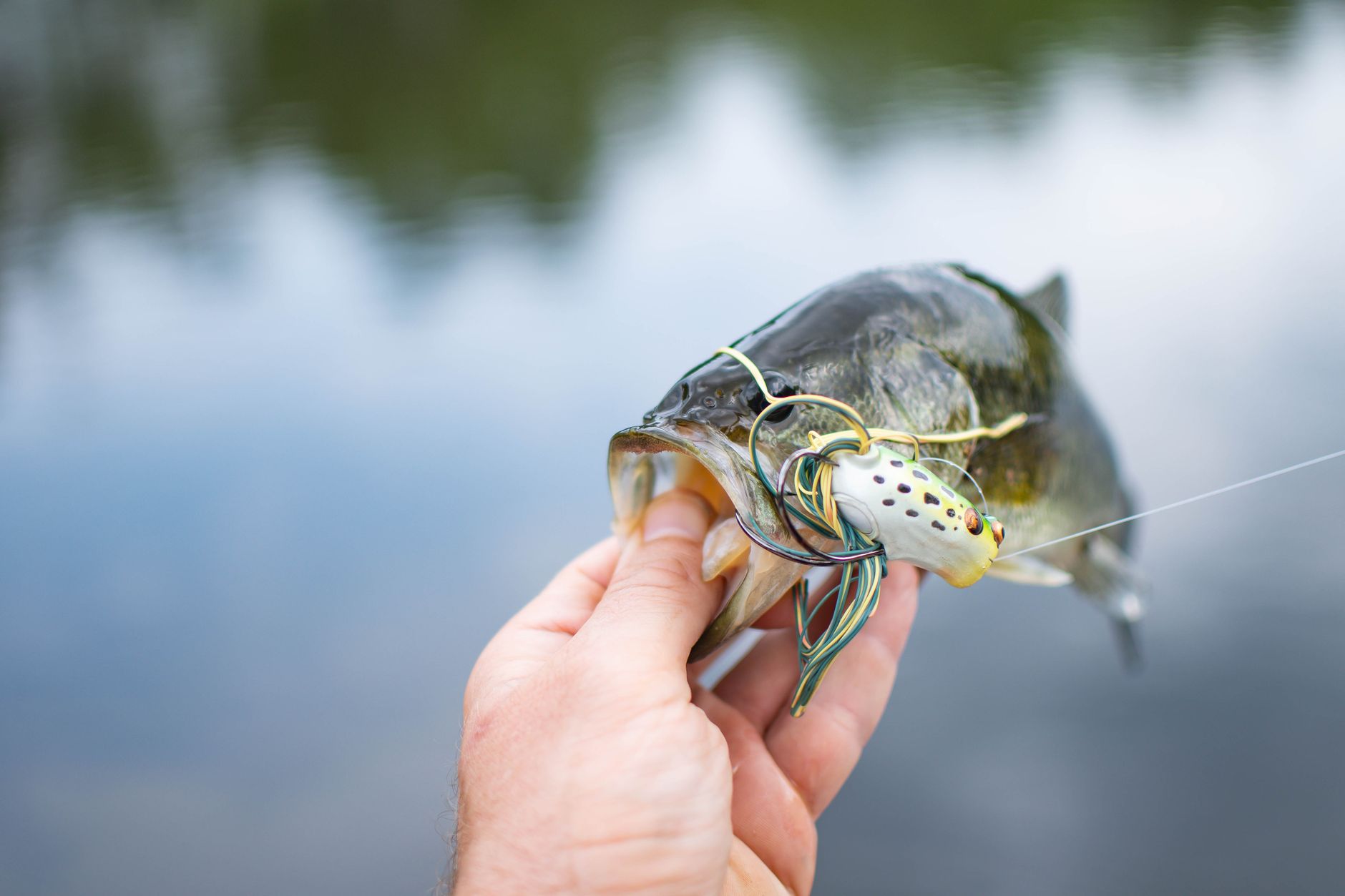
**Hook Sharpness**: Always ensure hooks are sharp, as this improves hooksets upon fish strikes. "Nothing is more disappointing than a missed catch due to a dull hook," Simmons pointed out, highlighting the importance of maintaining tackle.
**Line Visibility**: Choosing the right line can also enhance visibility to fish. "Using fluorocarbon leaders can reduce line visibility in clear water conditions where trout can be particularly wary," Thompson noted. This simple adjustment can make a significant difference when targeting this sensitive species.
**Observe Local Conditions**: Finally, being aware of local conditions such as weather, water level, and insect hatches can greatly aid in choosing the best lure. "If you keep an eye on what’s happening in the water, you can adjust your tactics and lures accordingly," remarked Johnson.
As we delve deeper into specific lure types and their optimal applications, it is clear that understanding these principles is essential in the quest for trout. The effectiveness of these guidelines can resonate with anglers looking to enhance their fishing success. As Simmons stated, "At the end of the day, fishing is a blend of knowledge, skill, and sometimes just a little bit of luck." Adopting these expert insights can enhance every angler's experience on the water as they aim for their next big catch.