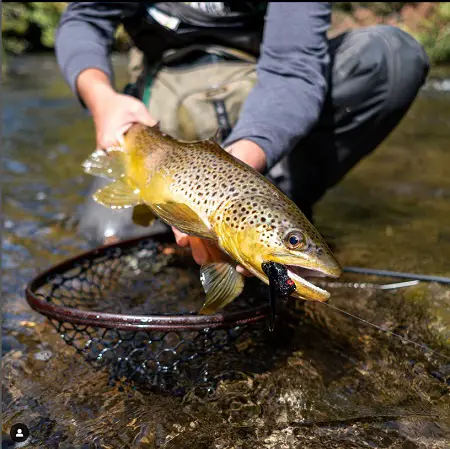
After nearly four decades guiding anglers through the intricacies of trout fishing, one veteran fishing guide has developed a philosophy that cuts through the noise of internet advice and social media tips: success comes from understanding the fish, not just the equipment.
"I have stood beside and taught thousands of people how to catch trout properly," explains the experienced angler, whose 37 years in the field have taught him that knowledge trumps luck every time. "This is what you need to know, and with us, you know that all the information comes from experienced trout guides who live and breathe fishing."
"I have stood beside and taught thousands of people how to catch trout properly,"
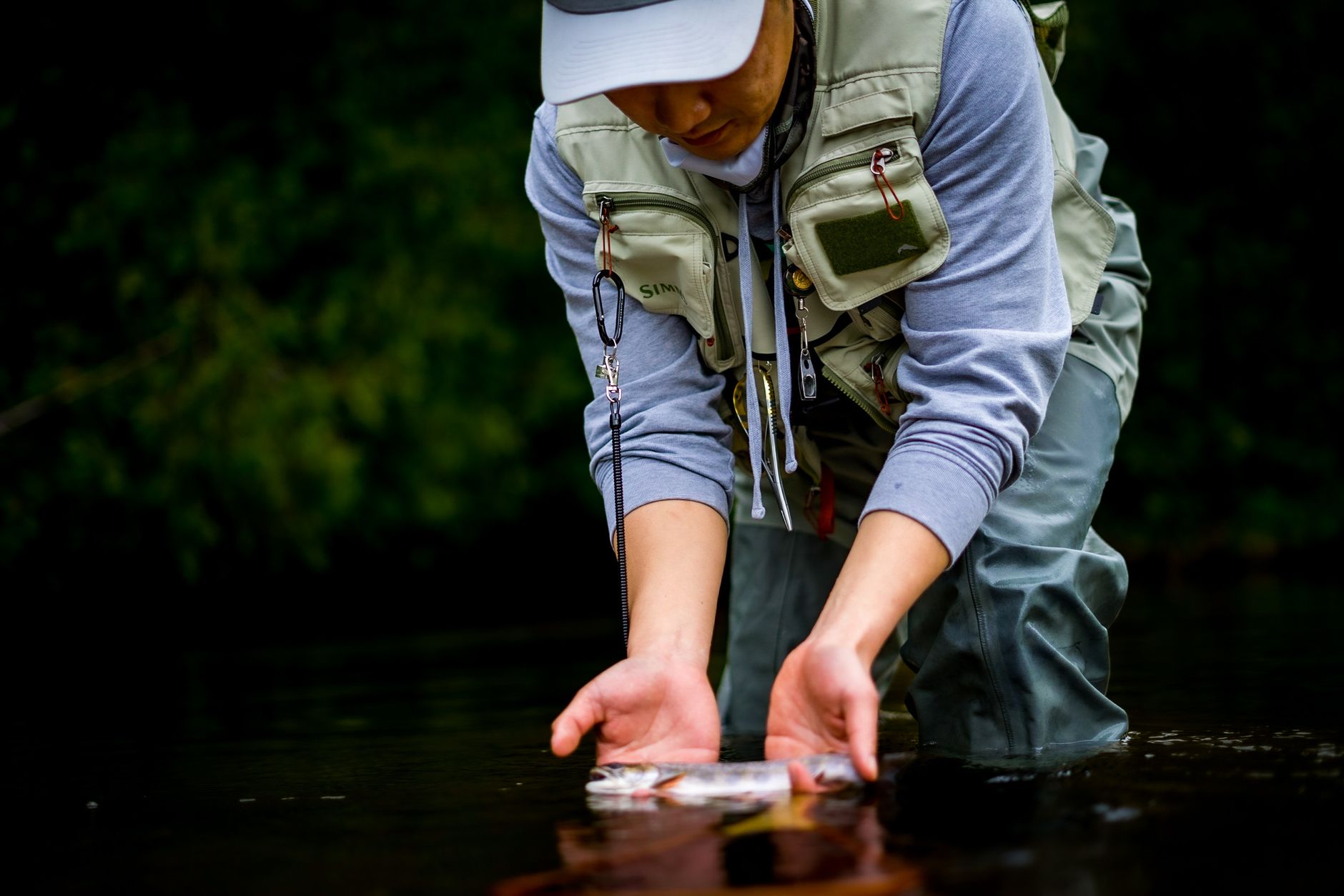
The foundation of his approach centers on a fundamental truth that many weekend anglers overlook: trout fishing is not a static pursuit. The variability that frustrates novice fishermen is actually the key to consistent success for those who understand it.

"Trout fishing changes throughout the season because the trout's feeding habits change based on water temps, oxygen, cover, food, and spawning," the guide emphasizes. "I and other guides know this and adapt and change with the trout so we keep catching fish."
"Trout fishing changes throughout the season because the trout's feeding habits change based on water temps, oxygen, cover, food, and spawning,"
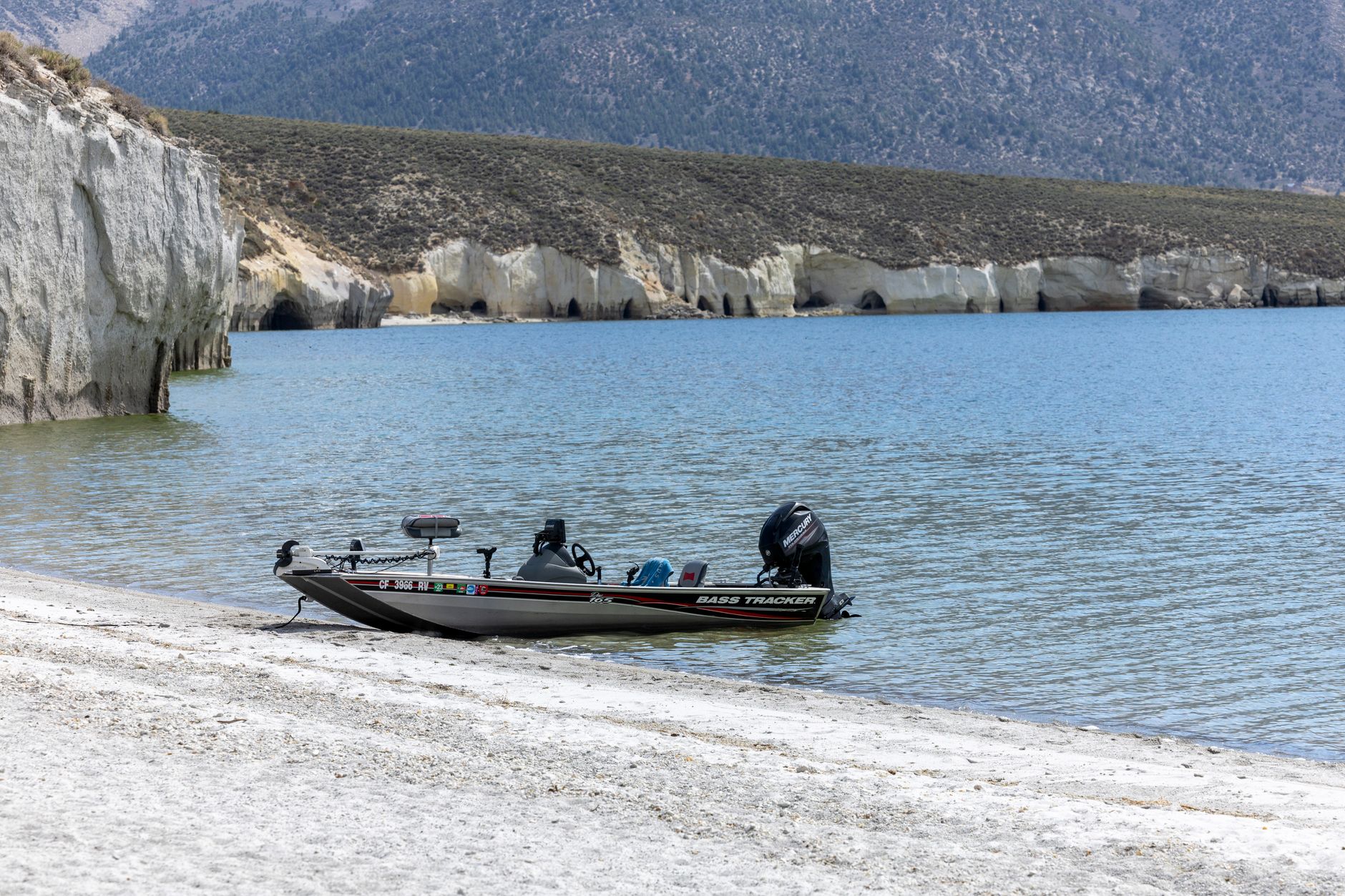
This adaptive mindset represents a sharp departure from the one-size-fits-all mentality that pervades much fishing advice. Instead of relying on a single technique or favorite lure, successful trout fishing requires reading the water, understanding the season, and matching methods to conditions.
The guide's advice for aspiring anglers is refreshingly direct: "Do what guides do, use what guides use, ignore the bad information all over the internet, and you will catch a lot more trout."
**Understanding Your Quarry**
By the Numbers
Trout species diversity adds another layer of complexity to the pursuit. From rainbow trout—whose world record stands at an impressive 21.77 kg (48 lbs. 0 oz.)—to brown trout, brook trout, cutthroat trout, bull trout, lake trout, and steelhead trout, each species presents unique characteristics and challenges. Understanding these differences isn't just academic; it directly impacts fishing strategy and success rates.
These fish inhabit various environments, from crystal-clear mountain streams to deep lakes and rushing rivers. Each habitat demands different approaches, and the most successful anglers learn to read water like a book, identifying the subtle signs that indicate where trout are likely to be feeding.
**Seasonal Strategy Shifts**
Career Journey
The seasonal nature of trout behavior creates a calendar of opportunity for those who understand the patterns. Spring awakening brings trout toward the surface as they emerge from winter's dormancy and begin feeding actively in warming waters. The increased activity makes this an ideal time for anglers willing to venture out early in the season.
Career Journey
Summer presents its own set of challenges and opportunities. As water temperatures rise, trout seek refuge in deeper, cooler sections of lakes and streams. Successful summer fishing often means adjusting not just technique, but timing—early morning and evening sessions become crucial as midday heat drives fish to deeper water.
Fall ushers in spawning season, creating diverse fishing opportunities as different species enter their reproductive cycles at different times. The behavior changes associated with spawning can create both challenging and highly productive fishing conditions.
Winter fishing demands specialized knowledge and techniques. With trout often hiding beneath icy surfaces, accessing them requires understanding of how cold affects fish behavior and metabolism.
**Technical Mastery**
"Fishing for trout often occurs in clear streams and many methods can be used," the guide notes, highlighting the technical diversity required for consistent success. Drift fishing and bottom bouncing techniques allow anglers to fish effectively without relying on bobbers, presenting baits in a more natural manner.
"Plunking is a still fishing method that puts your weight and bait on the bottom while you wait for trout to swim past and grab it," he explains. This patient approach works effectively in both lakes and rivers, particularly when fish are holding in specific locations.
"Plunking is a still fishing method that puts your weight and bait on the bottom while you wait for trout to swim past and grab it,"
Float fishing, or bobber fishing, offers another effective strategy by suspending bait at specific depths in the water column. Meanwhile, lure fishing opens up possibilities with spoons, spinners, and crankbaits, each designed to trigger strikes through different combinations of flash, vibration, and movement.
**Location Intelligence**
Perhaps the most critical skill involves understanding where to fish and when. "If you want to catch fish, you first need to know where to go and when to fish," the guide asserts. Trout consistently prefer cold, clean, well-oxygenated waters with abundant food sources—but finding these conditions requires local knowledge and water-reading skills.
"If you want to catch fish, you first need to know where to go and when to fish,"
Natural structures in the water often serve as prime fishing locations, providing the cover and feeding opportunities that attract trout. Successful anglers learn to identify these features and understand how they change with seasons and water levels.
The guide's decades of experience have taught him that mastery comes through continuous learning and adaptation. "Keep learning, adapt to the environment, and you will continuously improve your catch rates," he advises, encapsulating the mindset that separates successful anglers from those who struggle to find consistency on the water.
"Keep learning, adapt to the environment, and you will continuously improve your catch rates,"