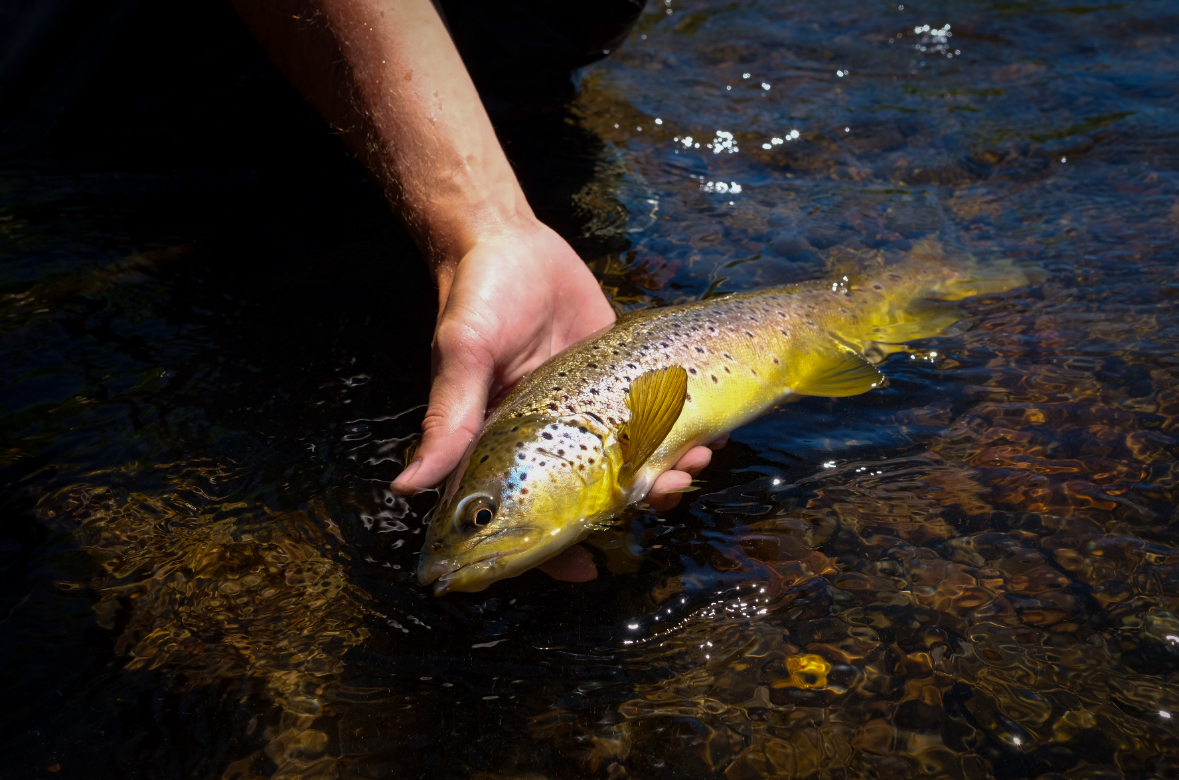
As anglers across the country prepare for summer fishing season, understanding the critical relationship between water temperature and trout behavior could make the difference between a successful day on the water and coming home empty-handed.
Many experienced trout fishermen are already familiar with "hoot owl restrictions" – regulations imposed by state wildlife agencies that limit fishing activities on certain rivers when water levels drop and temperatures rise. These restrictions play a vital role in protecting trout populations during periods of environmental stress, but they also underscore how dramatically water temperature affects these prized gamefish.
"hoot owl restrictions"
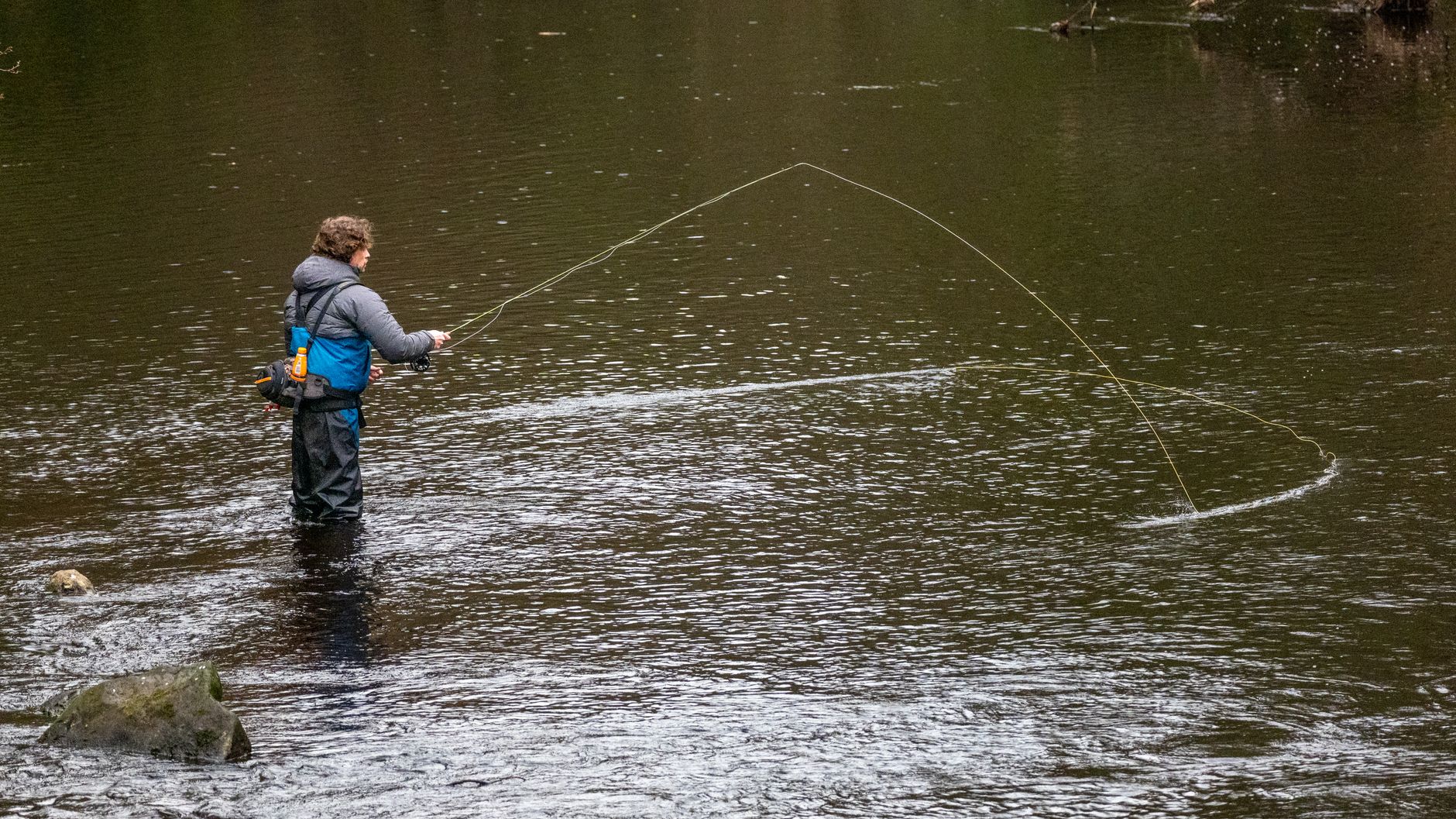
The science behind temperature's impact on trout is straightforward yet crucial for anglers to understand. As cold-blooded creatures, trout cannot regulate their body temperature independently, meaning their metabolism and activity levels directly mirror the temperature of their aquatic environment. This biological reality creates distinct fishing opportunities and challenges across different temperature ranges.

Before heading to the water, anglers need the right tools to gauge conditions accurately. While infrared thermometers offer quick surface temperature readings, they may not reflect what's happening beneath the surface where trout actually live. Traditional thermometers take longer to provide readings but deliver the accurate subsurface temperatures that truly matter for fishing success.
Not all trout species respond identically to temperature changes, adding another layer of complexity to the equation. Brook trout and cutthroat trout show significantly greater sensitivity to temperature fluctuations compared to their rainbow and brown trout cousins. Understanding these species-specific differences can help anglers target their efforts more effectively.
Impact and Legacy
Temperature also influences the entire aquatic ecosystem that trout depend on for survival. Aquatic insects and baitfish – key components of the trout diet – alter their behavior patterns as water temperatures shift, creating a cascading effect throughout the food chain.
The direction of temperature change proves equally important as the actual reading. Rising temperatures throughout the day typically increase trout activity levels, while falling temperatures during twilight hours or following cooling rains often trigger aggressive feeding periods that smart anglers can capitalize on.
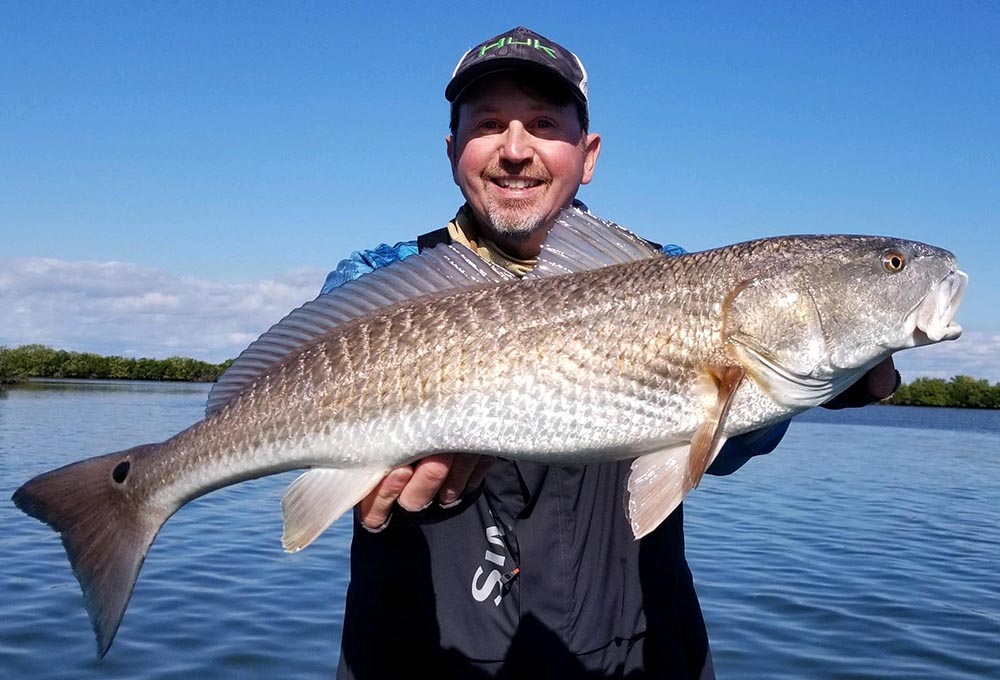
In the coldest water temperatures, ranging from 33 to 40 degrees Fahrenheit, trout fishing becomes a test of patience and precision. Fish in these frigid conditions move slowly and feed infrequently due to their drastically reduced metabolism. Success requires deliberate, methodical tactics focused on deeper pools where trout seek refuge from strong currents.
Fly fishermen find success in these conditions using two-fly rigs, pairing larger attractors like Prince nymphs with smaller trailers such as Zebra Midges. "I prefer fishing a double-fly rig Euro-style, tightlining the flies with a long, light rod through pockets and runs," shared an experienced angler familiar with cold-water techniques.
"I prefer fishing a double-fly rig Euro-style, tightlining the flies with a long, light rod through pockets and runs,"
For anglers looking to keep fish for a meal where regulations permit, natural baits become particularly effective in winter waters. Small pieces of nightcrawler or single salmon eggs often outperform artificial lures when trout are lethargic and feeding selectively. Timing these efforts during afternoon hours, when temperatures may rise slightly, can improve success rates.
Career Journey
As water temperatures climb into the 40-50 degree range, typically occurring during late winter and early spring, streams begin showing renewed signs of life. Trout become noticeably more active, and techniques like nymphing start producing more consistent results as fish begin moving and feeding with greater frequency.
"This temperature range can lead to some exciting fishing opportunities," noted a local trout expert, emphasizing how proper timing and technique selection during this transitional period can trigger enthusiastic responses from fish that have been relatively inactive during colder months.
"This temperature range can lead to some exciting fishing opportunities,"
The relationship between water temperature and fishing success extends beyond simply knowing when fish will bite. Temperature awareness helps anglers select appropriate tackle, adjust presentation speeds, and choose productive water types. In warmer conditions, trout often seek cooler water in shaded areas, deeper pools, or near spring-fed tributaries. Conversely, during colder periods, they may gravitate toward slightly warmer areas like sun-warmed shallows during peak afternoon hours.
As climate patterns continue evolving and summer temperatures rise earlier each year, understanding these temperature dynamics becomes increasingly important for both fishing success and conservation efforts. Responsible anglers who monitor water temperatures can make informed decisions about when to fish and when to give stressed trout populations a break.
Looking Ahead
The key to consistent trout fishing success lies in recognizing that water temperature influences every aspect of the experience – from trout behavior and feeding patterns to the effectiveness of different fishing techniques. Anglers who master these temperature-based strategies not only increase their chances of success but also contribute to sustainable fishing practices that help preserve trout populations for future generations.