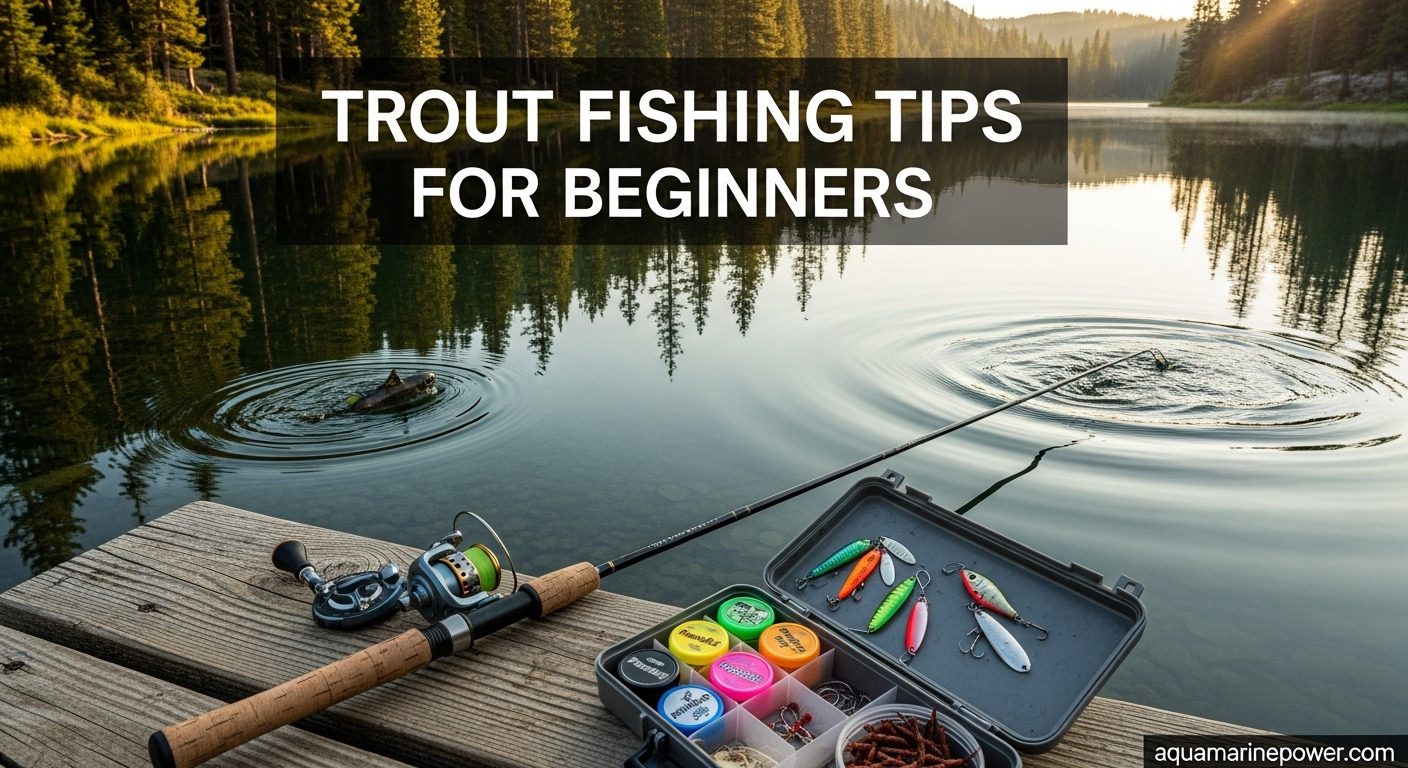
For many aspiring anglers, the thought of trout fishing can seem daunting, but according to fishing expert Martin McAdam, it doesn't have to be. With the right approach and basic equipment, newcomers can find themselves reeling in their first trout within hours of casting their line.
"The easiest way to catch trout as a beginner is using a simple bobber rig with nightcrawlers or PowerBait in well-stocked ponds and lakes," explains McAdam, who has guided countless novice anglers through their first fishing experiences. This straightforward method serves as an ideal entry point for those looking to break into the sport without overwhelming complexity.
"The easiest way to catch trout as a beginner is using a simple bobber rig with nightcrawlers or PowerBait in well-stocked ponds and lakes,"
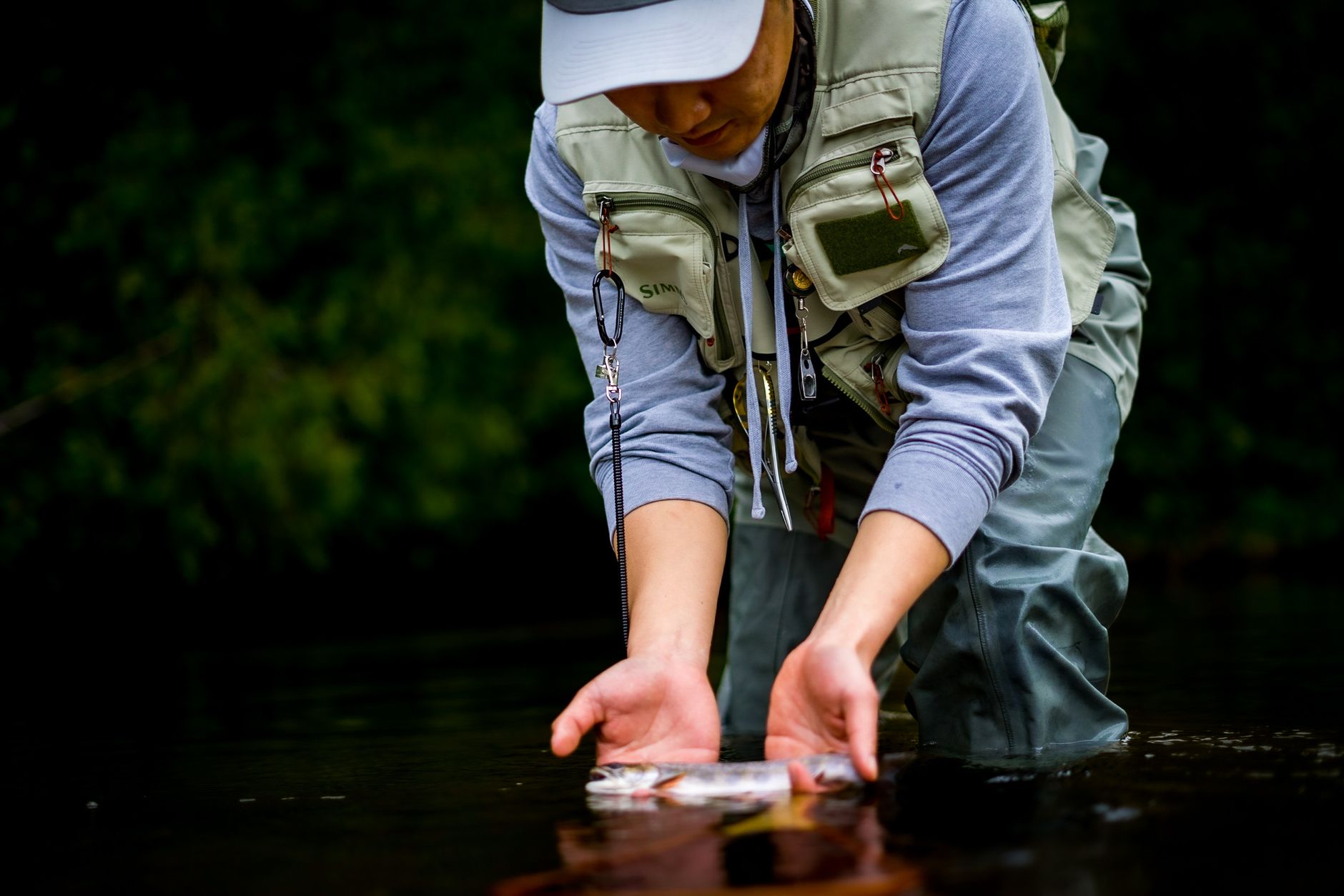

McAdam emphasizes that success comes from mastering three fundamental techniques that form the foundation of trout fishing. The first is bobber fishing, which involves suspending bait 2-3 feet under a bobber in stocked ponds. This method ranks as the premier choice for new anglers learning the ropes, as it provides clear visual feedback when fish are biting.
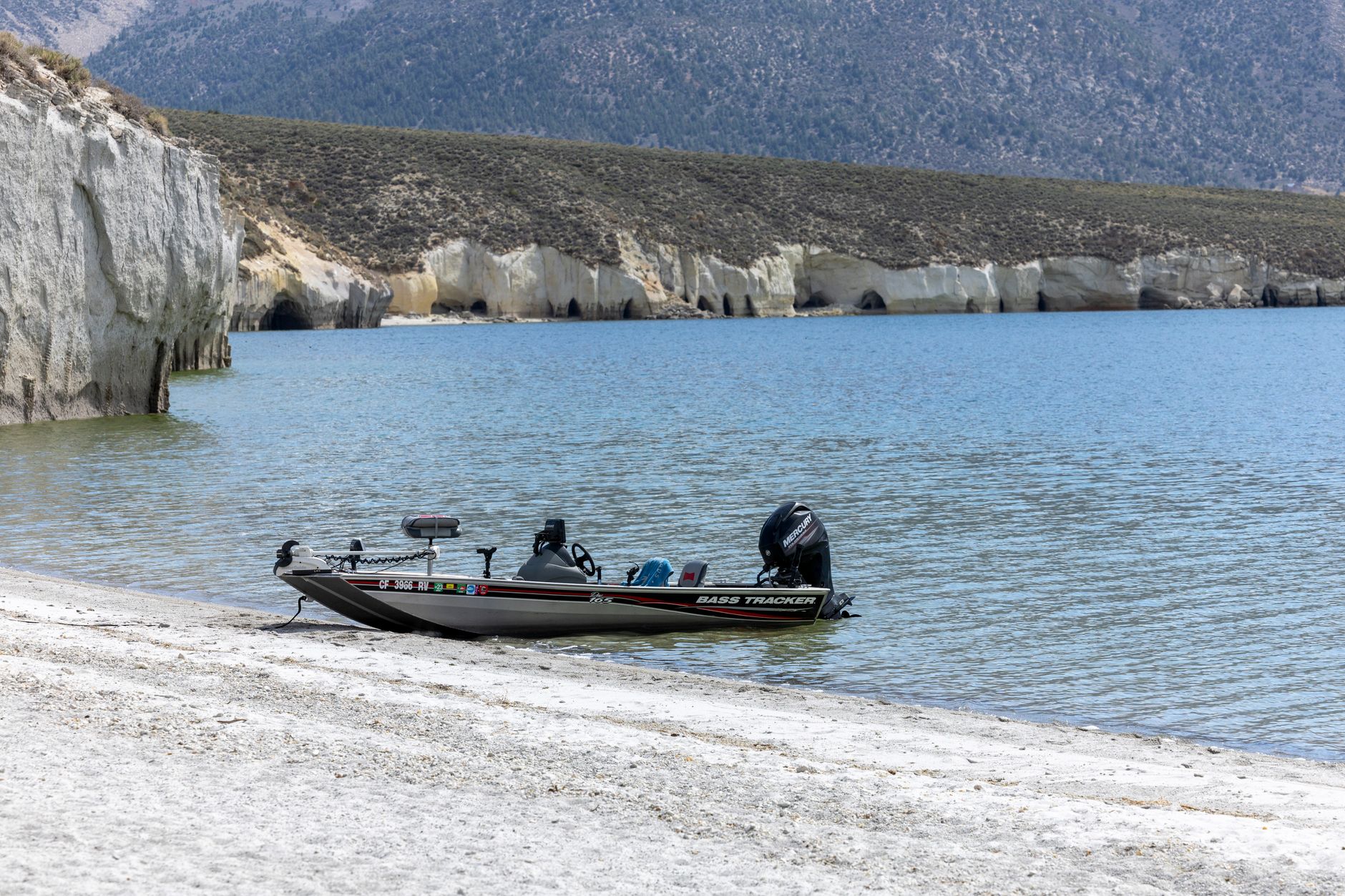
The second technique, bottom fishing, offers a more relaxed approach that allows anglers to enjoy their surroundings while weighted bait lingers on lake or pond bottoms. "Keep your rod tip high to detect subtle bites," McAdam advises, noting that this passive method gives newcomers time to observe and learn from their environment.
"Keep your rod tip high to detect subtle bites,"
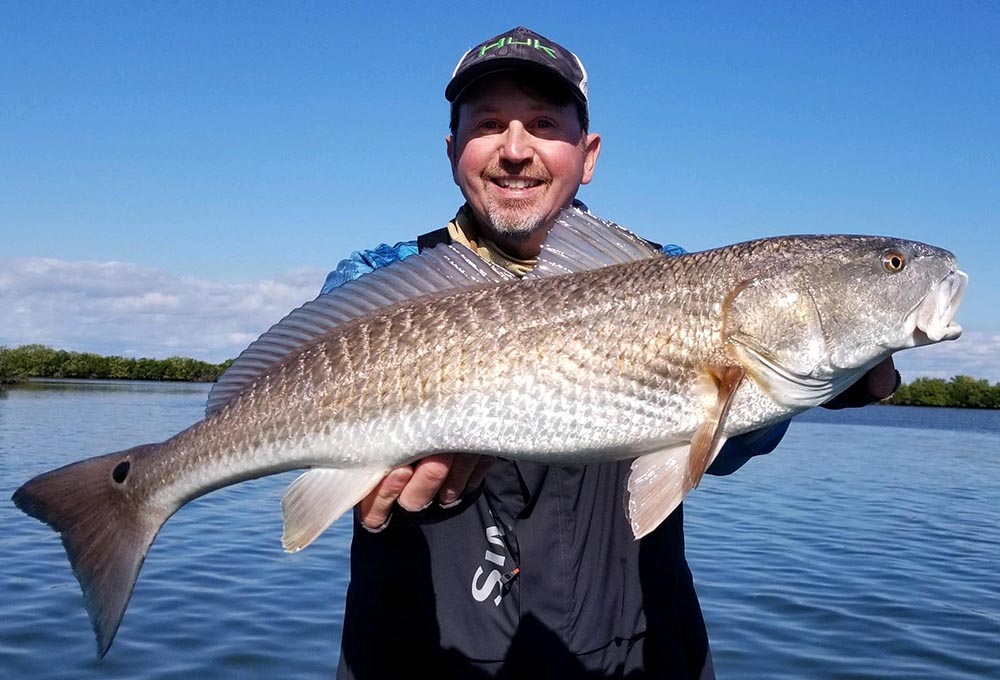
For those seeking more excitement, the third technique—simple drift fishing—involves floating bait downstream in calm rivers. This approach can provide thrilling experiences as anglers work with natural currents to present their offerings. "Focus on deeper pools, areas behind rocks, and undercut banks where trout typically hold," McAdam suggests, highlighting the importance of understanding fish behavior and habitat preferences.
"Focus on deeper pools, areas behind rocks, and undercut banks where trout typically hold,"
Career Journey
One of the most appealing aspects of trout fishing for beginners is the minimal gear investment required. Unlike specialized fishing disciplines that demand expensive equipment, trout fishing welcomes newcomers with budget-friendly options. A complete beginner setup can cost between $25 and $40, making it an accessible sport for those testing the waters.
"Unlike other types of fishing that demand specialized equipment, trout fishing welcomes beginners with budget-friendly options," McAdam notes. He recommends starting with a 6 to 7-foot medium-light spinning rod paired with a matching reel. While ultralight setups work well for smaller streams, the medium-light combination provides more versatility for beginners learning different techniques while remaining user-friendly for various trout sizes.
"Unlike other types of fishing that demand specialized equipment, trout fishing welcomes beginners with budget-friendly options,"
The choice of fishing line plays a crucial role in success. McAdam suggests using 4 to 6-pound monofilament line, which strikes the right balance between visibility and strength for typical trout fishing scenarios. Clear or light green hues tend to be most effective across various water conditions, helping maintain the stealth necessary for spooking wary trout.
A well-stocked tackle box forms the backbone of any successful fishing expedition. McAdam advises newcomers to focus on essential items that cover the most common scenarios. Hooks in sizes 10-14 prove ideal for bait fishing, as understanding proper hook sizes prevents the frustration of lost fish. Split shot sinkers weighing 1/8 to 1/4 ounces provide the versatility needed for fishing various depths, while small round or slip bobbers help maintain precise depth control.
Swivels serve an important but often overlooked function, preventing line twists when utilizing spinners and other rotating lures. Perhaps most importantly, a landing net proves crucial for safely handling caught trout, protecting both the fish and the angler during what can be an exciting moment.
The bobber fishing technique deserves particular attention as the foundation method for newcomers. The process involves setting the bobber 2-3 feet above a baited hook, casting into areas with potential cover, and allowing the bait to work naturally. "Cast to likely spots and watch for bobber movement," McAdam advises, emphasizing the visual nature of this approach that helps beginners understand when fish are showing interest.
"Cast to likely spots and watch for bobber movement,"
Bottom fishing offers a different experience, providing a more contemplative approach to the sport. Anglers rig this method by tying a hook directly to the main line and placing a split shot above it to sink the bait to the bottom. This passive technique allows time for observation and learning while still maintaining the potential for success.
Drift fishing in moving waters introduces an element of active participation as anglers work with river currents. By casting upstream, the natural flow carries bait to potential feeding areas where trout typically hold. This method requires more attention and technique but can provide some of the most rewarding experiences for beginners ready to advance their skills.
Race Results
Race Results
Race Results
The key to success lies in understanding that trout are opportunistic feeders, making proper bait selection crucial for consistent results. Combined with these proven techniques and appropriate equipment, newcomers can build confidence on the water while avoiding common pitfalls that often discourage beginning anglers.