As anglers across the country gear up for trout season, fishing experts are sharing their most effective techniques for landing these elusive fish that have challenged sportsmen for generations.
Trout fishing presents a unique challenge that goes far beyond simply casting a line into the water. Success depends on understanding fish behavior, mastering multiple techniques, and adapting to varying water conditions throughout the day.
"Trout fishing is an exciting skill that requires patience, technique, and understanding of water conditions," said local fishing guide Mike Thompson, who has been guiding anglers for over a decade.
"Trout fishing is an exciting skill that requires patience, technique, and understanding of water conditions,"

The foundation of successful trout fishing lies in understanding the fish themselves. Trout are remarkably aware creatures, highly sensitive to light, water temperature, and movement in their environment. This sensitivity makes them both challenging to catch and rewarding when an angler succeeds.
Career Journey
Career Journey
Career Journey

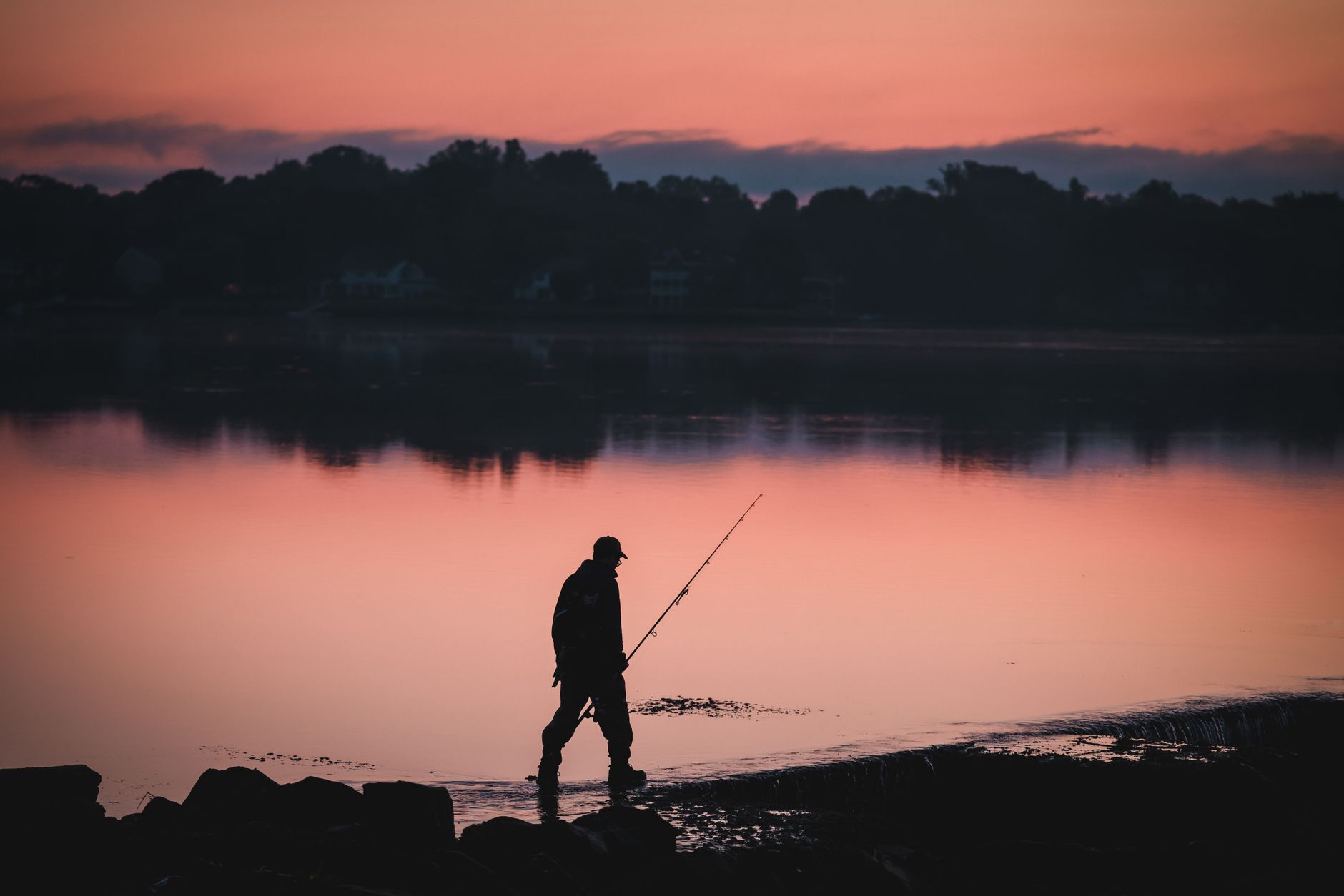
"They usually stay near cool, oxygen-rich waters and feed early morning or late evening," noted fisheries biologist Sarah Johnson. This behavior pattern is crucial information that enables anglers to time their fishing trips for maximum success.
Career Journey
"They usually stay near cool, oxygen-rich waters and feed early morning or late evening,"
Among the most effective techniques, drift fishing stands out as particularly successful in rivers and streams. This method involves allowing bait or lures to flow naturally with the current, mimicking the way food naturally moves through the water.
"This method works especially well where trout wait for food to come to them," explained veteran angler Tom Richards. The key to successful drift fishing lies in maintaining tension on the line while allowing it to move freely, casting upstream, and using light tackle for the most natural presentation possible.
"This method works especially well where trout wait for food to come to them,"
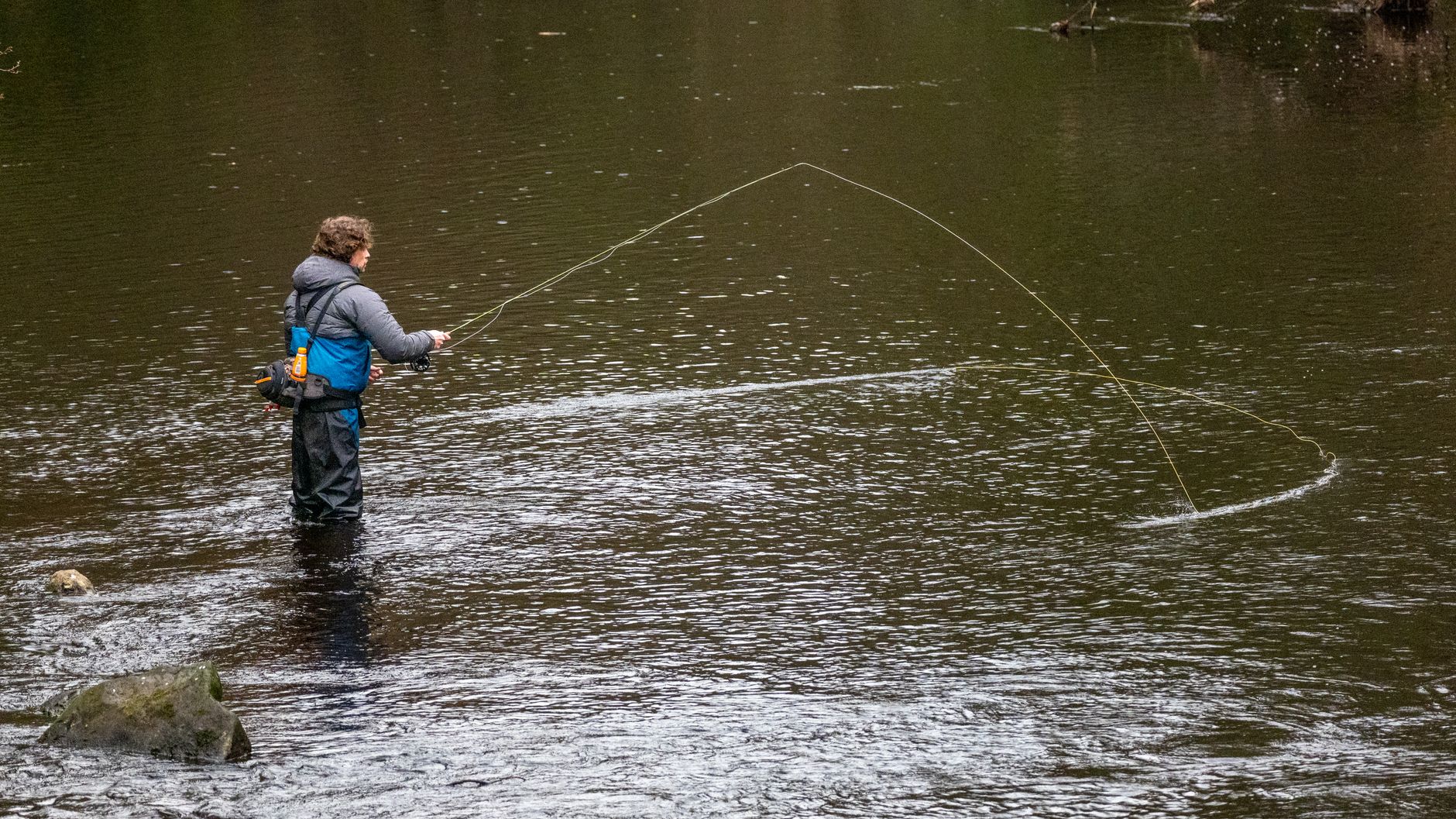
Fly fishing represents the more traditional and artistic side of trout angling. This technique uses artificial flies designed to imitate insects and proves particularly effective in both rivers and lakes. The method requires significant skill development, especially in casting technique.
"Practice smooth casting to avoid scaring fish away," recommended champion fly fisher Emily Rivera. She emphasizes that matching the fly's color to local insect populations dramatically increases success rates. For newcomers to fly fishing, starting with dry flies in calm water areas helps build confidence before tackling more challenging fast-moving currents.
"Practice smooth casting to avoid scaring fish away,"
When targeting trout in larger bodies of water, trolling becomes an invaluable strategy. This technique involves dragging bait or lures behind a moving boat, allowing anglers to cover extensive areas and reach trout at various depths.
"Using bright lures in cloudy water and natural colors in clear conditions can be key," shared experienced lake fisherman Joe Marks. He also recommends using depth finders to locate schools of trout, making fishing efforts more targeted and productive.
"Using bright lures in cloudy water and natural colors in clear conditions can be key,"
Career Journey
For those just beginning their trout fishing journey, still fishing offers the simplest entry point. This straightforward method involves casting bait and waiting patiently for fish to bite.
"It's perfect for calm lakes or ponds," said beginner fishing instructor Laura Vinson. The technique requires patience above all else, with the most success coming from keeping bait near the bottom where trout typically feed.
"It's perfect for calm lakes or ponds,"
Jigging presents another versatile option that works across various water conditions. This technique involves moving lures up and down to simulate small fish, creating an irresistible target for hungry trout.
Race Results
"Try this method in deeper pools or near drop-offs where trout tend to lurk," advised fishing expert Greg Allen. He recommends using light jigs in natural colors for optimal results.
"Try this method in deeper pools or near drop-offs where trout tend to lurk,"
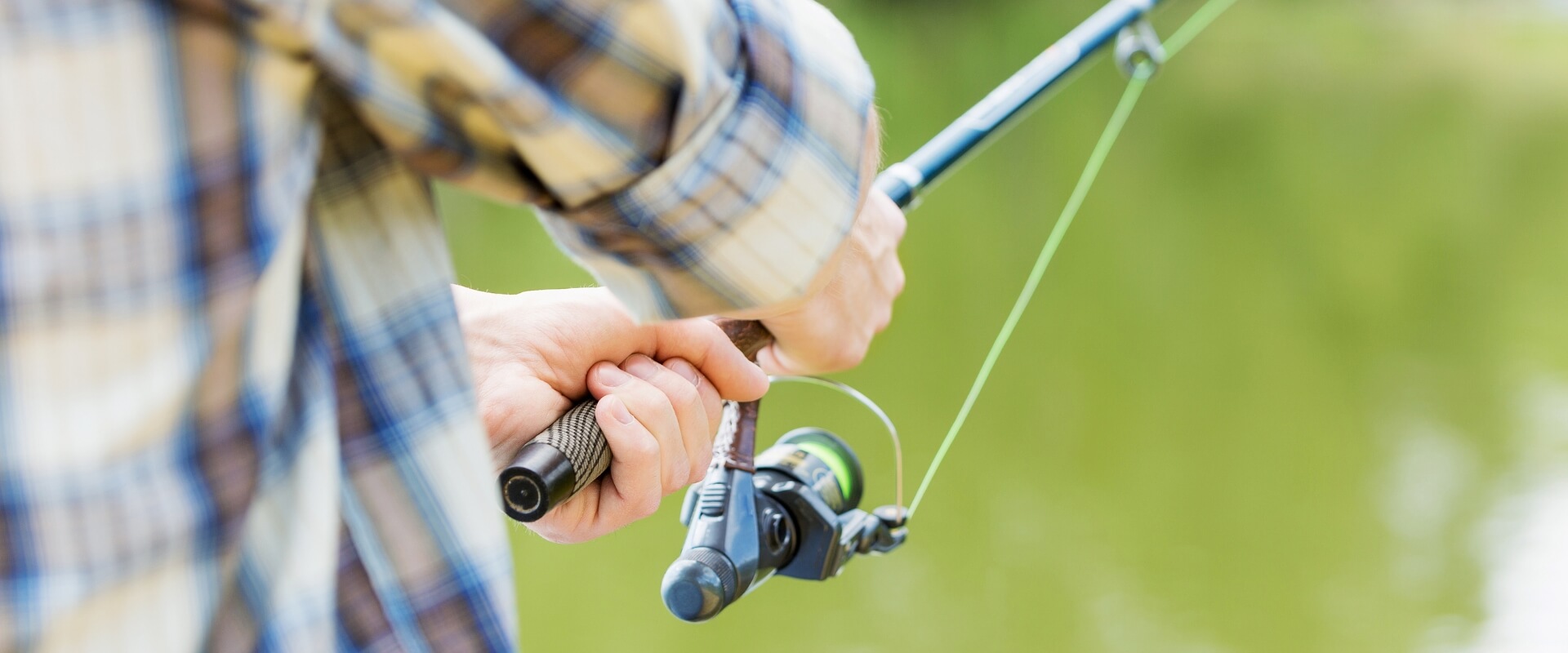
Spin casting has gained popularity due to its combination of simplicity and effectiveness, making it suitable for anglers at any skill level. The technique utilizes spinning reels that provide excellent control over lures.
"This method is particularly effective when you reel in slowly, mimicking a realistic swimming action," stated fishing supply store owner Rachel Green. She suggests casting near shaded areas or underwater structures to maximize trout attraction.
"This method is particularly effective when you reel in slowly, mimicking a realistic swimming action,"
"In rivers, it's essential to let live bait drift naturally downstream," highlighted seasoned fisherman Carl Sanders. Popular live bait options include worms, minnows, and crickets, each offering distinct advantages depending on conditions and location.
"In rivers, it's essential to let live bait drift naturally downstream,"
Regardless of the specific technique chosen, successful trout fishing requires patience, practice, and adaptability. Water conditions, weather, and fish behavior can change rapidly, demanding that anglers remain flexible in their approach.
The combination of technical skill and understanding of trout behavior separates successful anglers from those who struggle. By mastering multiple techniques and learning to read water conditions, anglers can significantly improve their catch rates and enjoy more rewarding fishing experiences throughout the season.