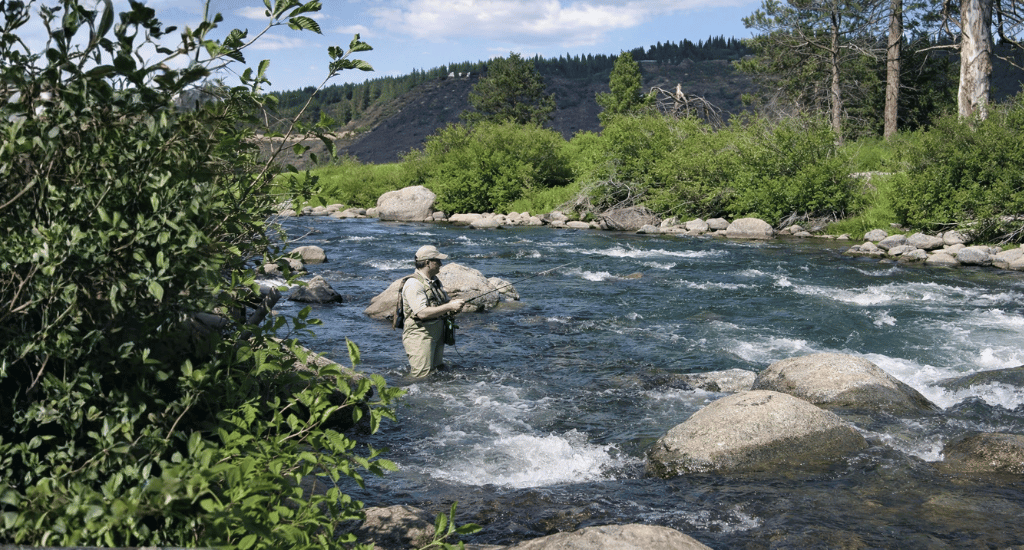
Stretching through the rugged landscapes of California and Nevada, the Truckee River has earned a reputation as one of the West's most technically demanding fishing destinations. While the promise of wild rainbow, brown, and cutthroat trout draws anglers from across the region, success on this freestone river requires more than just casting a line—it demands strategy, patience, and a deep understanding of the waterway's unique characteristics.
"The Truckee is a freestone river, and that means snowmelt is its lifeblood," explained a local fishing expert. This fundamental characteristic creates the river's most defining feature: swift currents combined with crystal-clear waters that leave little room for error. The combination presents both opportunity and challenge, as trout have exceptional visibility of approaching anglers and their gear.
"The Truckee is a freestone river, and that means snowmelt is its lifeblood,"
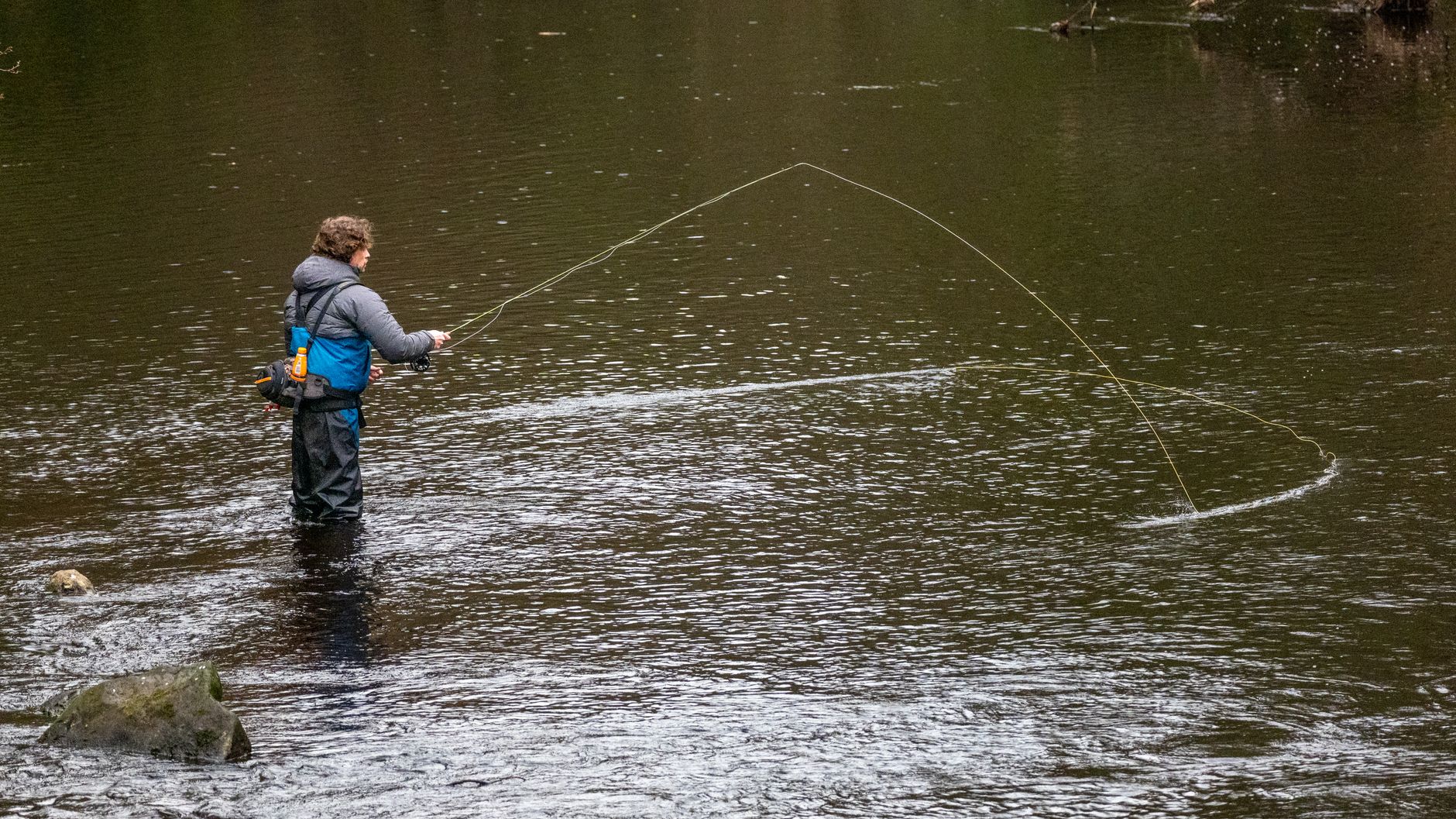

The technical nature of the Truckee becomes immediately apparent to newcomers. Unlike more forgiving waters, this river punishes mistakes swiftly. "Patience and care are key here. Trout see everything, and they will easily react to mistakes," emphasized a seasoned fly fisher who has spent years learning the river's nuances.
Timing proves crucial for Truckee River success, with each season presenting distinct advantages and challenges. Spring fishing, spanning March through June, coincides with powerful snowmelt runoff that transforms the river's character entirely. The high water creates hazardous wading conditions but pushes trout into predictable holding patterns. "High water pushes trout close to the banks, making fishing more effective in tailwater sections during this period," noted one local guide who has witnessed the seasonal transformation countless times.
"High water pushes trout close to the banks, making fishing more effective in tailwater sections during this period,"
Career Journey
Career Journey
Career Journey
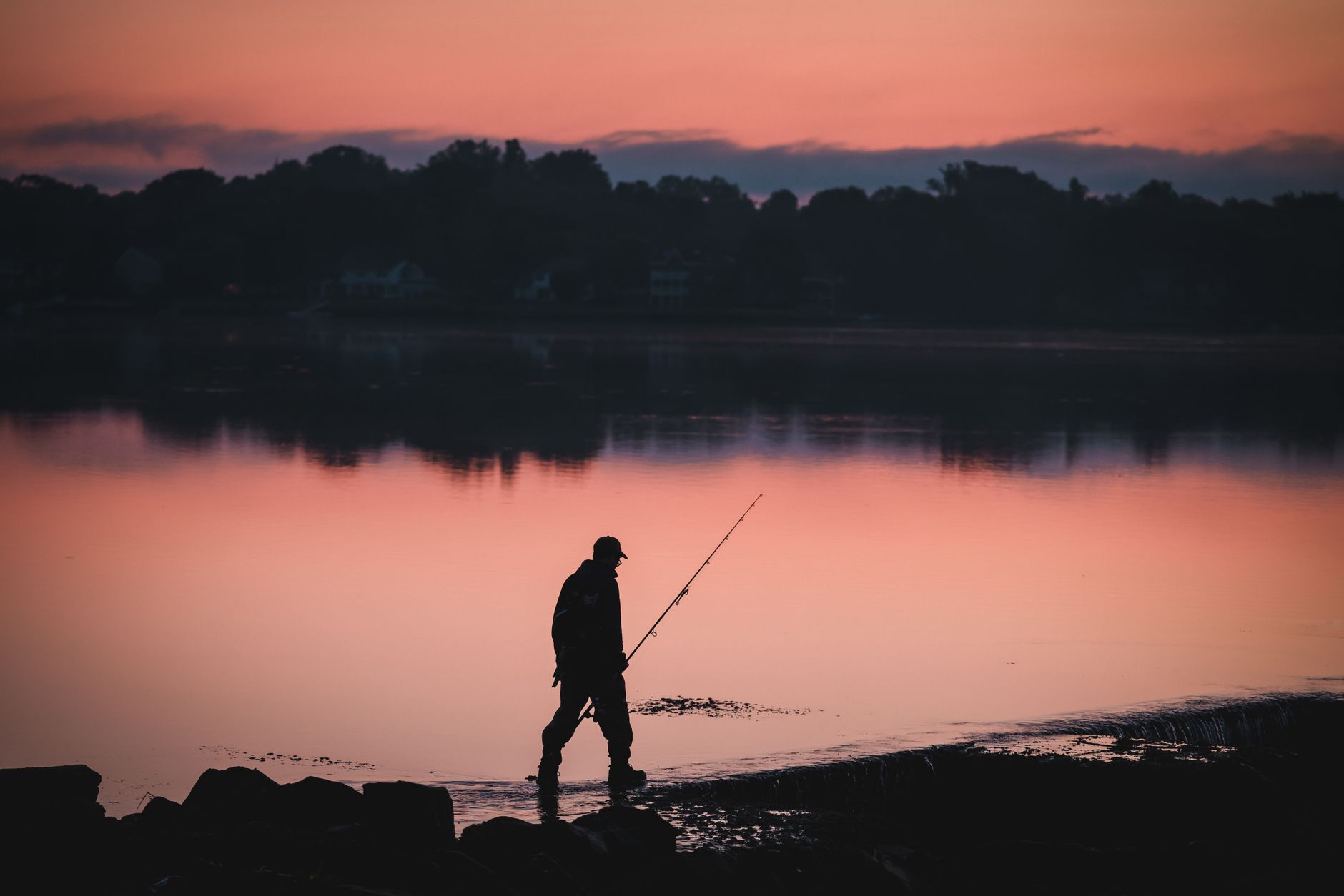
As summer arrives, the river settles into a more stable rhythm, though challenges persist. The reduced flow reveals the Truckee's notorious clarity, making stealth and precise presentation essential. Early mornings and late evenings emerge as prime windows when insect activity peaks and trout venture into feeding lanes along current seams. "The clearer waters during summer present both challenges and opportunities, especially once flows settle," remarked another angler familiar with the seasonal patterns.
"The clearer waters during summer present both challenges and opportunities, especially once flows settle,"
Career Journey
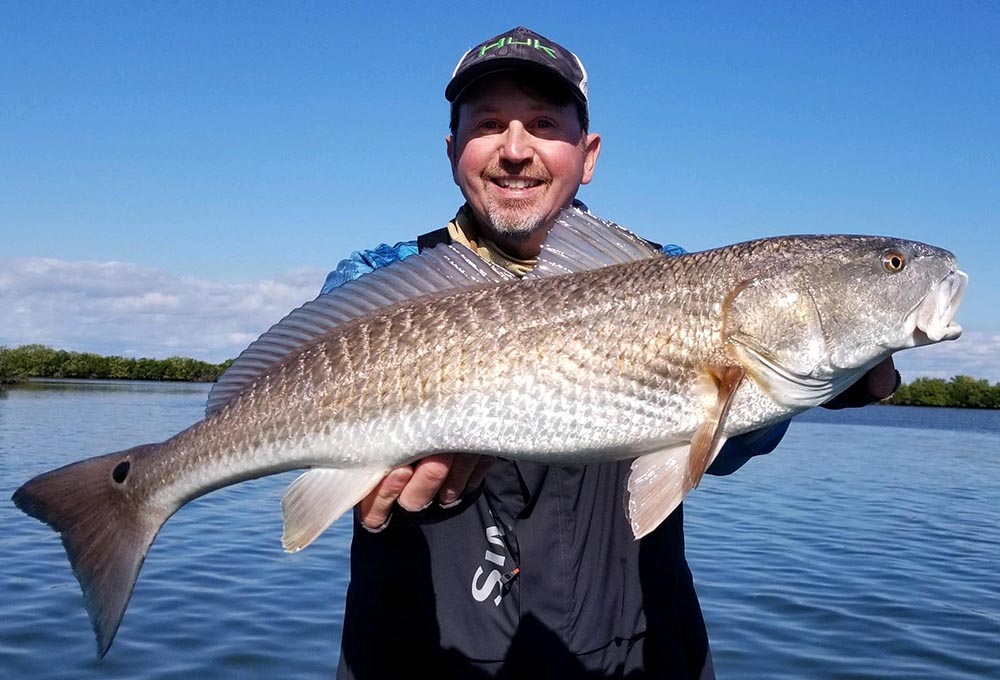
Autumn brings perhaps the most exciting fishing of the year, particularly for those targeting brown trout. Cooler temperatures trigger aggressive feeding behavior as fish prepare for winter, creating opportunities for memorable encounters. "Fall is truly a great time to target browns as they start chasing flies aggressively," added a local fishing enthusiast. Even winter fishing remains viable in accessible stretches, though anglers must navigate seasonal regulations and challenging conditions.
"Fall is truly a great time to target browns as they start chasing flies aggressively,"
Success on the Truckee hinges on reading water effectively, a skill that separates novice anglers from experts. The river's structure creates distinct microhabitats that concentrate fish in predictable locations. "Pocket water behind rocks is a prime resting area for trout, while seams formed where fast currents meet slower water are excellent feeding locations," shared an experienced guide.
"Pocket water behind rocks is a prime resting area for trout, while seams formed where fast currents meet slower water are excellent feeding locations,"
Impact and Legacy
Water levels significantly influence trout behavior and positioning throughout the system. "In high flow, trout often seek shelter near banks and cover, whereas low flow often pulls them into deeper slots," explained an industry analyst. This knowledge directs successful anglers toward areas featuring boulders, riffles, and dramatic depth changes where trout concentrate.
"In high flow, trout often seek shelter near banks and cover, whereas low flow often pulls them into deeper slots,"
Nymph fishing has become the foundation of most successful Truckee strategies, reflecting the river's strong subsurface insect populations. "You need to get your flies down to the trout near the bottom," emphasized a veteran angler. Stoneflies, mayflies, and caddis patterns form the core of effective nymph selections, with weight and depth control proving more critical than specific color choices.
"You need to get your flies down to the trout near the bottom,"
Summer conditions allow for versatile dry-dropper rigs that cover multiple feeding zones simultaneously. "That setup can be a game-changer," remarked a prominent local fishing guide. Meanwhile, streamers excel in the river's lower reaches, particularly when targeting larger brown trout that patrol deeper runs and undercuts.
"That setup can be a game-changer,"
Fly selection reflects the Truckee's demanding nature, where discerning trout require precise imitation and presentation. "Should you stay aware of the depth and the timing of hatches, you will be more successful than focusing solely on the color of your flies," advised a respected fishing consultant.
"Should you stay aware of the depth and the timing of hatches, you will be more successful than focusing solely on the color of your flies,"
Heavy nymph patterns, including golden stones and mayfly imitations, prove essential for reaching fish holding near the bottom in faster currents. "Heavy flies are particularly effective in reaching the trout when they're sitting close to the bottom," explained a local fishery biologist.
"Heavy flies are particularly effective in reaching the trout when they're sitting close to the bottom,"
Race Results
During calmer periods with active surface feeding, dry flies such as Pale Morning Duns and traditional attractors can produce spectacular results. "Ants and hoppers are also trusted baits during the summer months as trout tend to look towards the banks for food," detailed a professional guide.
"Ants and hoppers are also trusted baits during the summer months as trout tend to look towards the banks for food,"
The Truckee River ultimately rewards those willing to invest time in understanding its complexities, offering some of the region's most challenging and rewarding wild trout fishing for anglers ready to rise to the occasion.