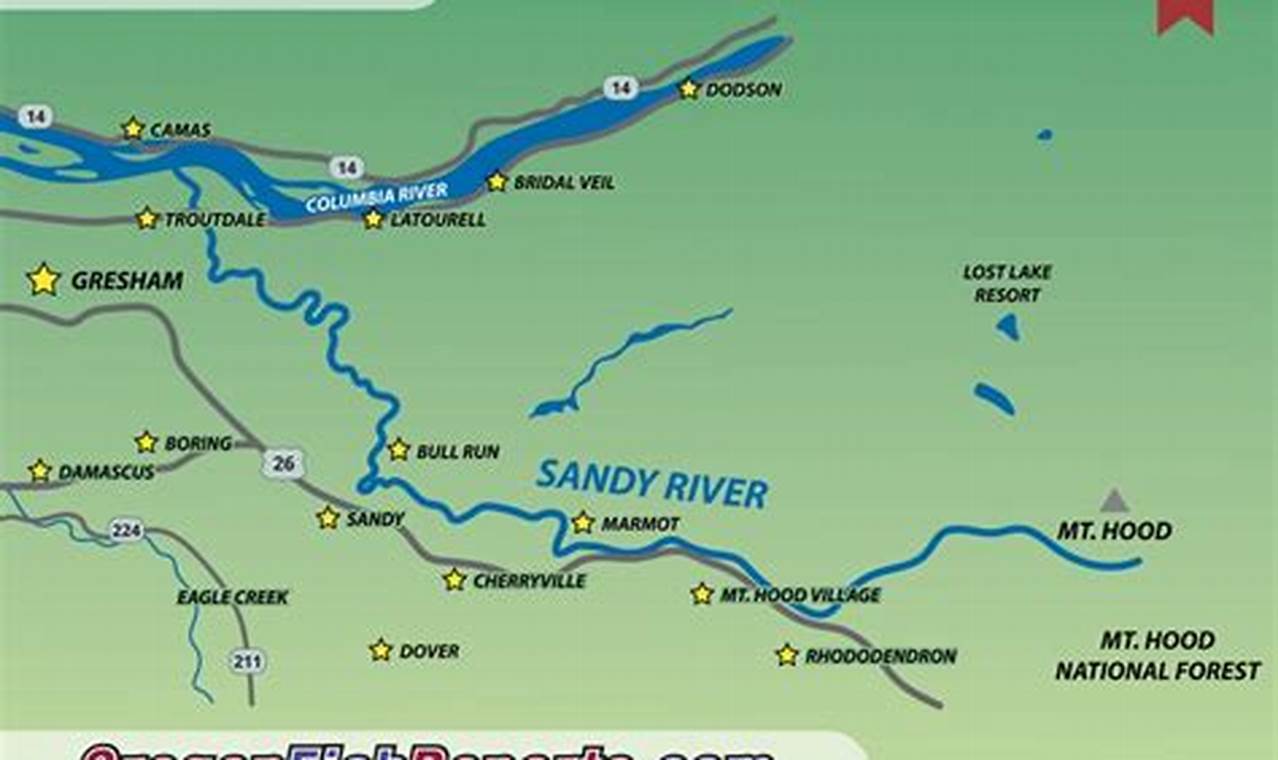
The Sandy River in Oregon offers a vibrant angling experience, particularly noted for its thriving salmon and steelhead runs. Nestled amidst the breathtaking backdrop of the Cascade Mountains, this river draws both novice and seasoned anglers eager to test their skills and knowledge against the natural challenges of the water. Knowing the river's conditions and fishing regulations is crucial for a successful outing.
Fishing not only serves as a recreational pursuit but also bolsters local economies through tourism while maintaining a rich cultural connection to resource management. Indigenous communities have long depended on the Sandy River's resources, which has influenced contemporary fishing ethics and conservation practices. The river's health, represented by fish populations and water quality, remains a vital indicator of environmental stewardship.
To enhance your fishing experience, this guide explores critical tactics, including season timings, effective gear, and conservation initiatives. These insights aim to promote responsible angling while supporting the sustainability of the Sandy River’s ecosystem.
Essential Tactics
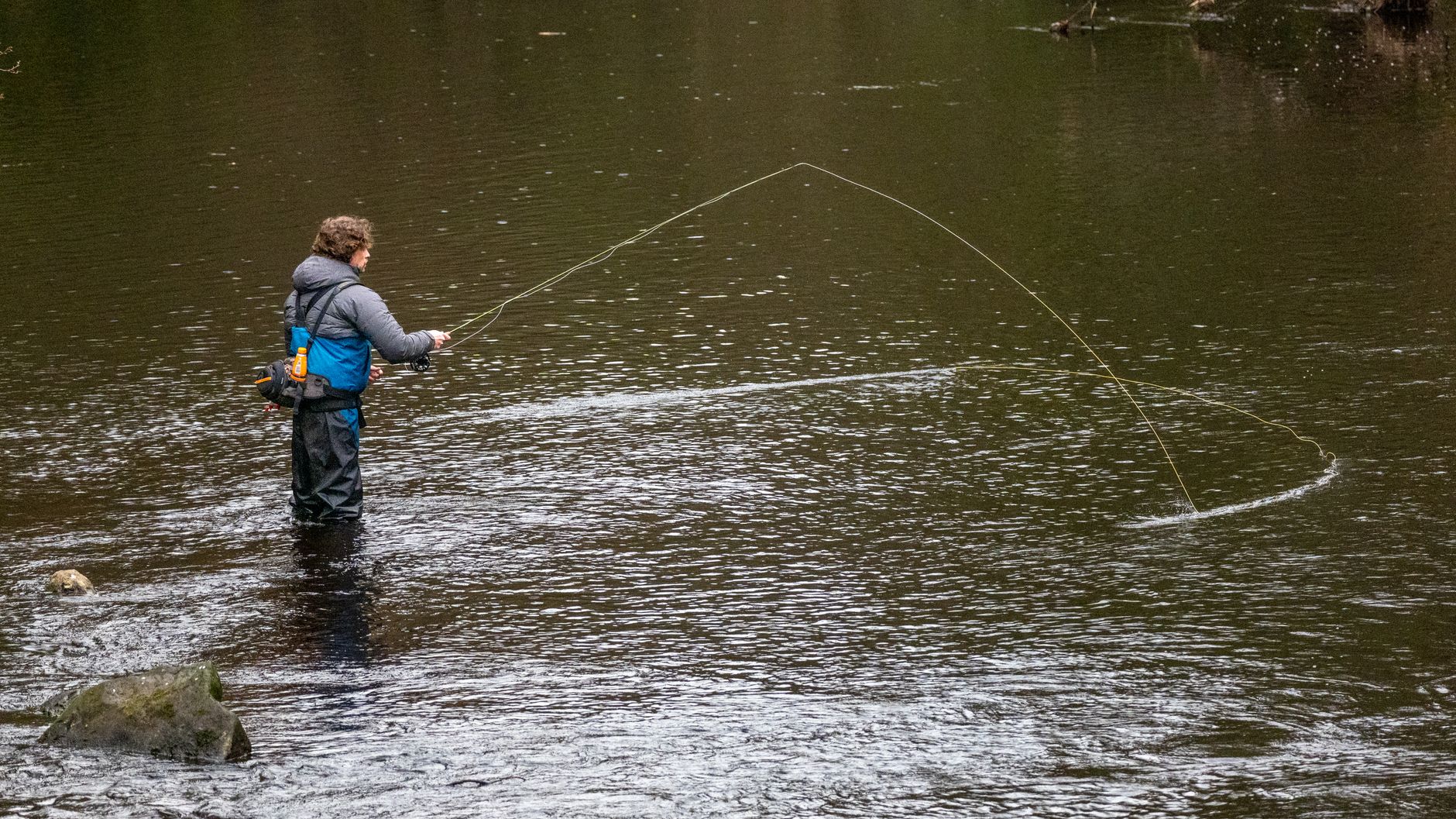
Maximizing your angling success on the Sandy River requires a keen understanding of its dynamics. Below are several actionable tips meant to help anglers navigate this unique fishing environment.
"Check real-time data from USGS gauges prior to departure," advised a local angler. "Optimal conditions typically involve moderate flows and good water clarity. High or muddy water may significantly reduce success rates." Understanding how river flows affect fishing conditions is a key factor in planning a successful trip.
Equipping yourself with the right gear is equally important in this endeavor. "Select rod and reel combinations suited for targeting large, migratory fish," recommended a fishing guide. Utilizing sturdy spinning or casting setups along with abrasion-resistant line can go a long way to increase your chances of catching success.
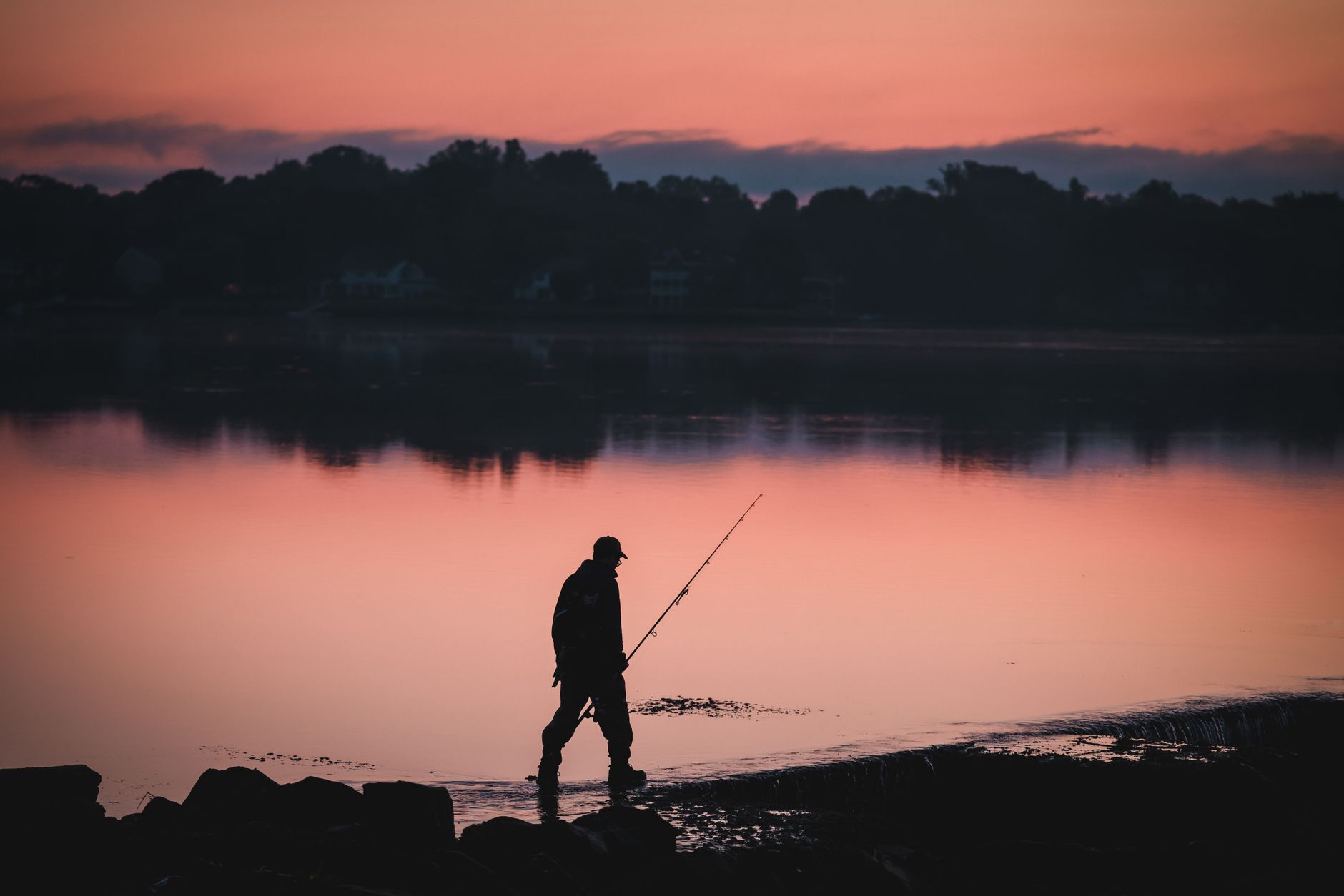
"Rotating your offerings is critical," suggested another experienced angler. Common options include spinners, spoons, plugs, and bait like cured salmon eggs or sand shrimp. Adjusting the size and color based on water conditions and the target species can help you attract more fish.
Anglers should also familiarize themselves with the specific areas where fish tend to congregate. "Focus on spots behind boulders, in deep runs, and near confluences," recommended a veteran fisherman. Presenting your bait naturally in these locations can entice fish to strike effectively.
Additionally, handling fish responsibly is paramount. "Prioritize the health of released fish by using barbless hooks and minimizing their exposure to air," emphasized a conservationist. Reviving fish thoroughly before release enhances their survival rates, fostering a healthier fish population in the river.
Knowledge of current regulations cannot be overstated. "Familiarize yourself with the Oregon Department of Fish and Wildlife regulations, including size and bag limits," advised a fisheries manager. Ignorance of these rules can lead to fines and negatively impact the ecosystem.
Finally, respecting the environment is a duty every angler should uphold. "Pack out all trash, avoid disturbing wildlife, and minimize impact on riparian vegetation," urged a local conservation leader. These practices are essential for the river’s sustainable health and for preserving the quality of the fishing experience for future generations.
Steelhead Season Timing
The steelhead season’s timing plays a critical role in angler success and the overall ecological impact on the river. "Understanding the year-to-year variability of steelhead runs, influenced by factors like ocean conditions and river flows, is essential," noted a local biologist. Anglers must adapt their approaches based on these observed patterns, often utilizing historical data and real-time reports to inform their decisions.
"Certain periods within the steelhead season typically provide superior angling opportunities," explained a fishing coach. These windows often align with peak migration times and favorable river conditions. However, anglers are urged to follow ethical practices, including catch-and-release, especially during peak periods to ensure fish populations remain sustainable.
In conclusion, fishing the Sandy River allows anglers to not only enjoy the sport but also engage in responsible resource management practices. By understanding seasonal patterns, employing effective strategies, and respecting the river's ecosystem, anglers can contribute to maintaining its health while enjoying their time on the water. The balance between fulfilling the urge to fish and ensuring sustainable practices will determine the future of this precious fishery.