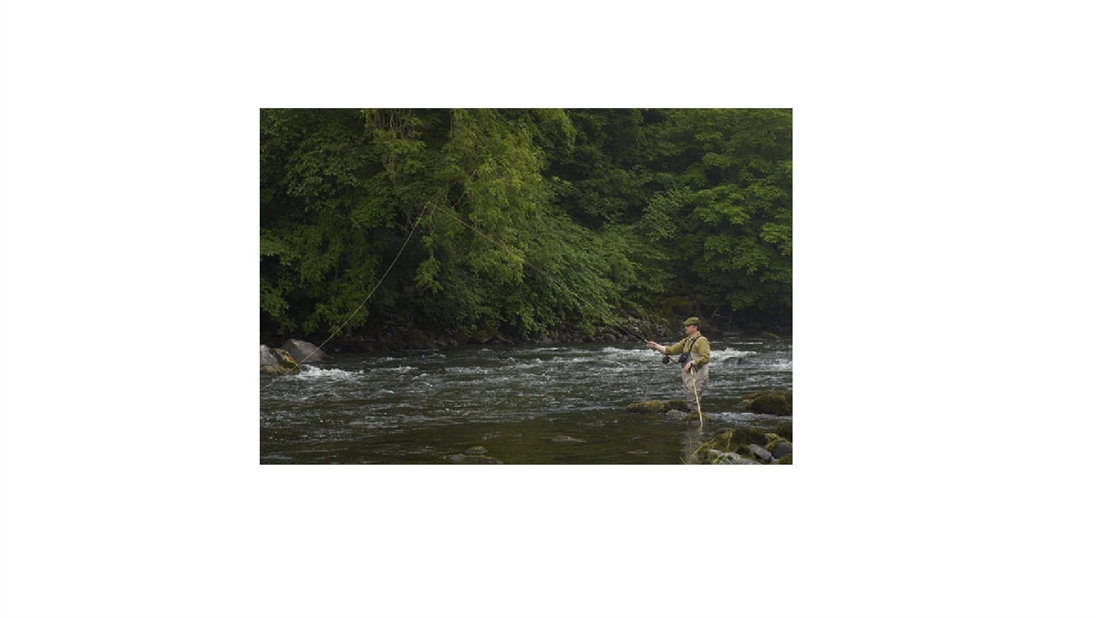
Embarking on a salmon fishing adventure can appear overwhelmingly complex, particularly for those new to the sport. Many seasoned anglers have honed their knowledge through years of experience, yet this wealth of understanding can often seem intimidating to beginners. The expectation to possess detailed knowledge can make the pursuit of salmon fishing feel elitist, but it's important to note that this sport is accessible to everyone.
"Salmon-fishing can cost little more than a day’s trout fishing," said a spokesperson for the fishing community. With an array of rivers and beats available that don't require a hefty wallet, opportunity knocks for all who have a passion for fishing. For those just starting, the advice is simple: seek proper casting and tackle lessons from a trained game-fishing instructor before investing in a full day of salmon fishing. This foundational step can save time and expenses down the line, transforming a beginner into a competent angler.
"Salmon-fishing can cost little more than a day’s trout fishing,"
Once equipped with the right skills, you'll feel the excitement of casting a fly over a salmon pool. To guide newcomers through their initial experiences, here's a step-by-step approach to successfully fishing a typical salmon river.

Before even casting a line, be sure to follow your gillie’s instructions. An experienced gillie will often identify the best potential spots based on the current water conditions. They can recommend the optimal line, fly size, and color to boost your chances of success.
In terms of tackle, line and fly selection varies with the seasons. As a standard recommendation, utilize a larger fly, such as those ranging from size 4 to a 2.5-inch tube-fly during cold months when water temperature is around 45 degrees Fahrenheit or below. "In warmer months, smaller flies (size 8-14) on a sink-tip or floating line are generally more effective," explained a local fishing guide. The key is to adapt your setup to the conditions at hand.
"In warmer months, smaller flies (size 8-14) on a sink-tip or floating line are generally more effective,"
When a salmon approaches your fly without taking it, you might sense a gentle pull on the line or catch a glimpse of the fish. If this occurs, it’s prudent to make an identical cast. "The fish might have just missed your fly or may take interest in it upon a repeat presentation," noted a veteran angler.
"The fish might have just missed your fly or may take interest in it upon a repeat presentation,"
If the fish remains uninterested, there are various strategies one can employ—from increasing the speed of your retrieve to altering the fly's size or even the angle of your cast. Such adaptations are essential in enticing a salmon to strike.
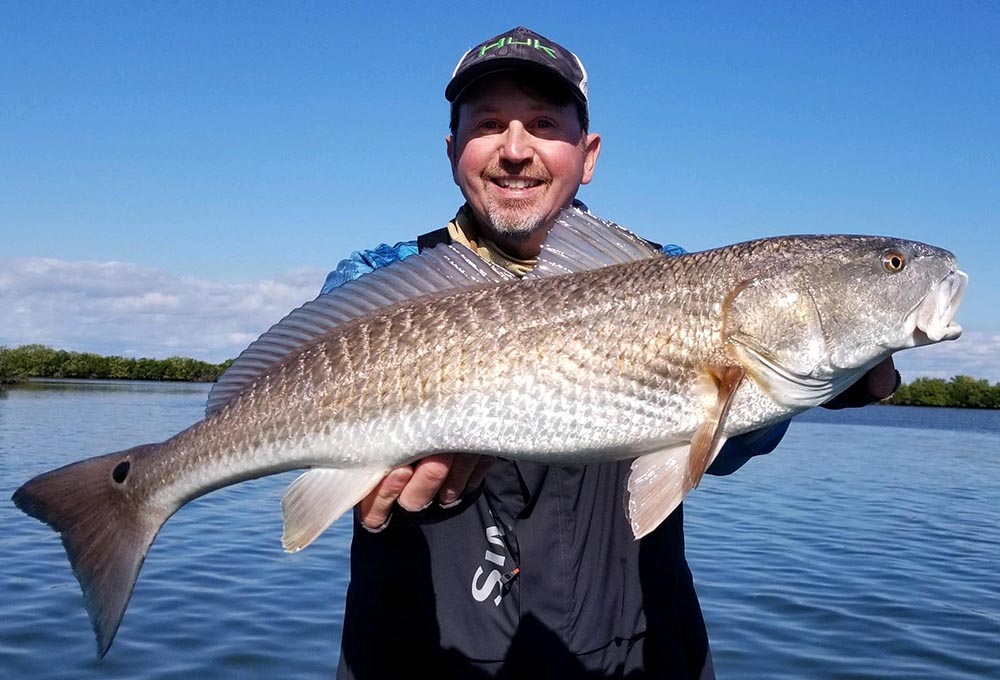
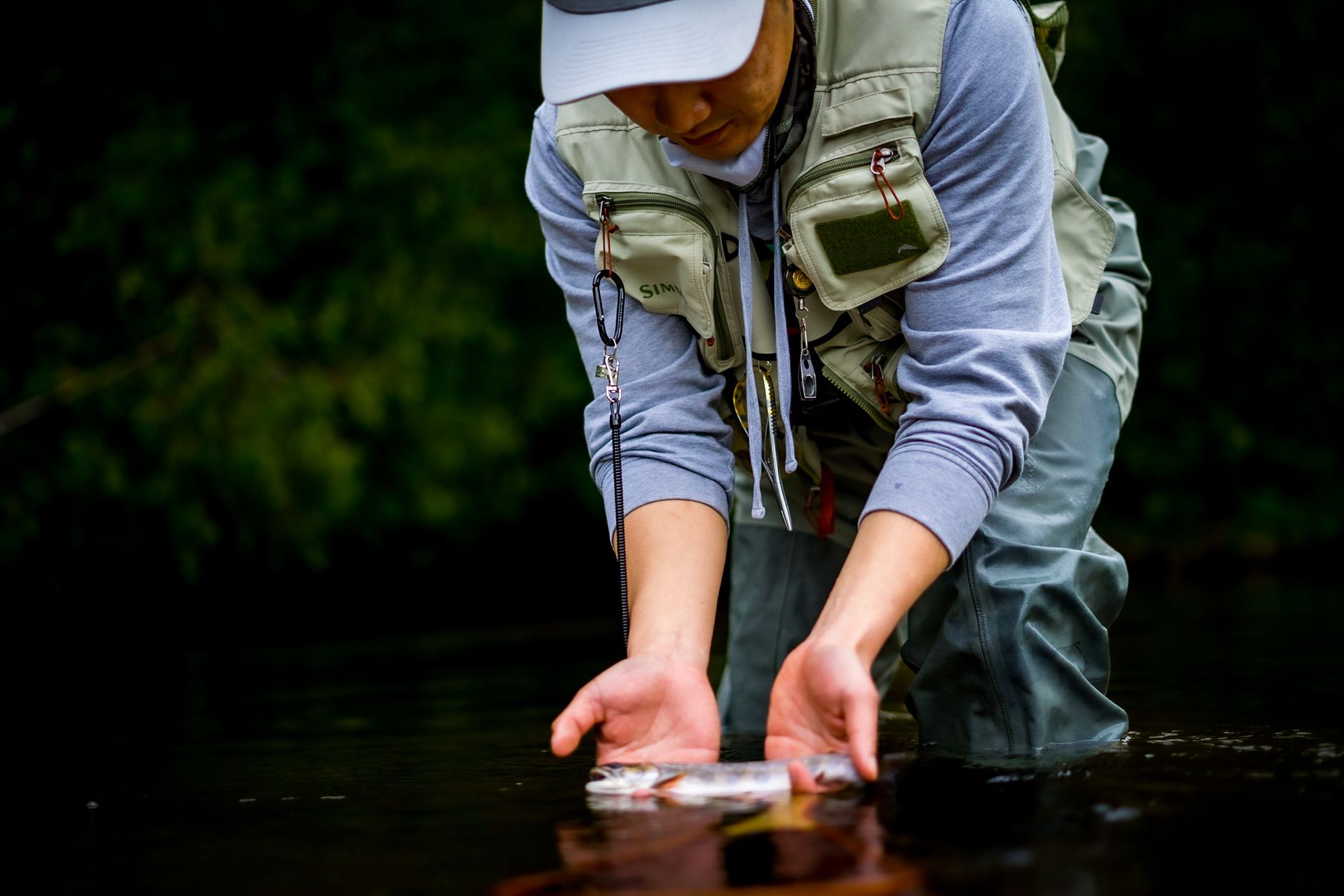
When a salmon finally engages with your fly, it's critical to remain calm. "If and when a salmon takes your fly, don’t panic!" a seasoned fisheries expert advised. The fish will typically rise to take the fly and then dive back down, often hooking itself in the process. A proper fish hook set should only take place after the salmon has taken several yards of line.
Safety cannot be overlooked in this thrilling yet potentially hazardous pursuit. Even if wading in shallow waters, a wading stick can help you navigate rocky terrain. Choose one with a rubber tip to minimize noise, as silence is crucial when attempting to spot and catch salmon. "Falling and making noise can dramatically lower your chances of landing a fish," emphasized an experienced angler.
"Falling and making noise can dramatically lower your chances of landing a fish,"
Before wrapping up your fishing day, don’t forget to tip your gillie—a customary gesture of appreciation typically amounts to £10-15 per angler per day. The photographs accompanying this guide were taken at a pool within the Lazonby Estates’ water of the River Eden in Cumbria, a dramatic backdrop that illustrates the beauty of salmon fishing.
In summary, fishing for salmon provides enriching experiences and requires a blend of skill, patience, and adaptability. With the right preparation and advice, even those new to the sport can find success on the river and develop a lifelong passion for salmon fishing.