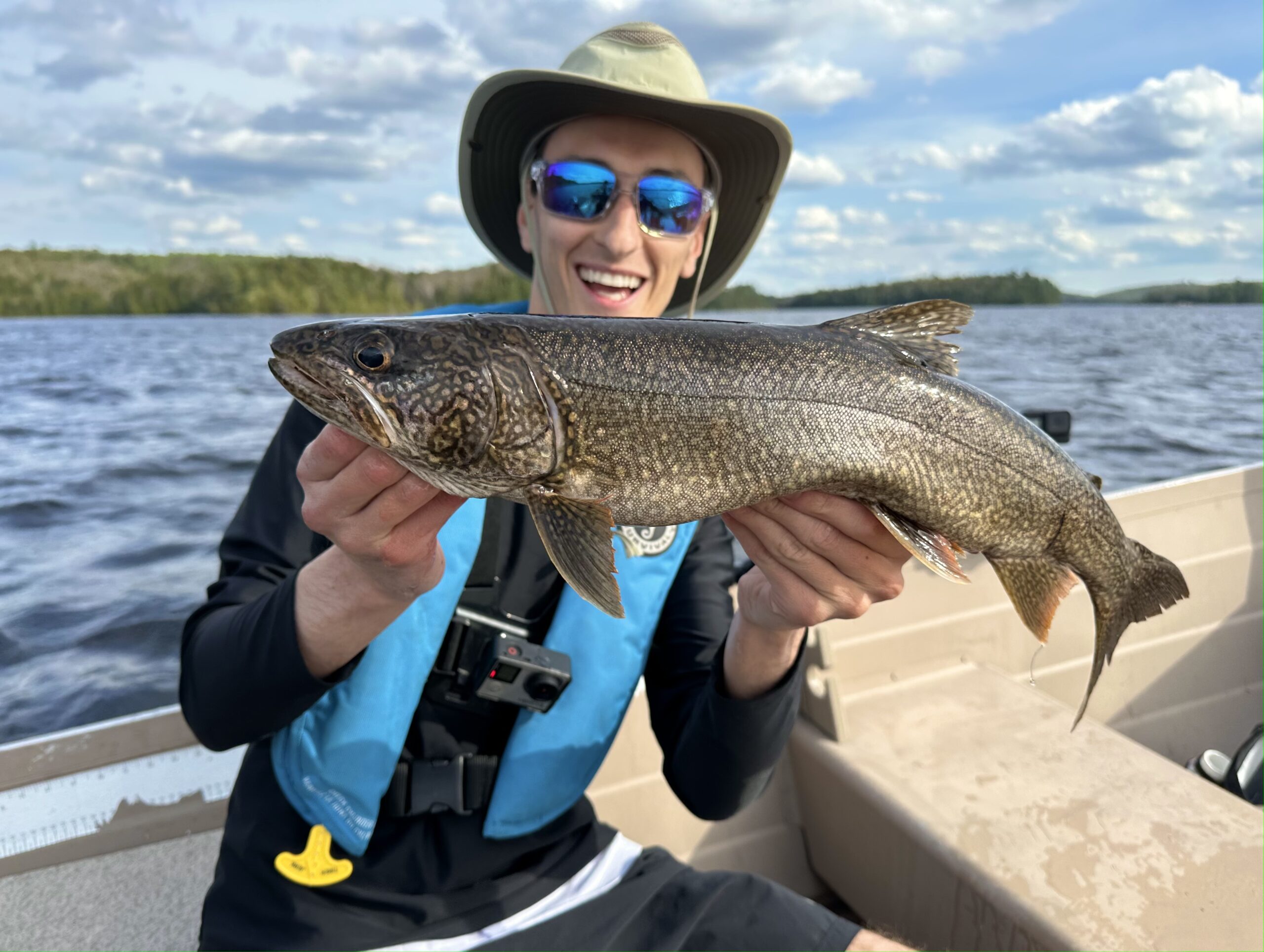
As fishing enthusiasts across the region prepare their gear for the opening of fishing season, experienced anglers are turning their attention to one of the most challenging and rewarding freshwater species: lake trout. Charles Raymond, a seasoned angler and videographer from Quebec, has emerged as a voice of expertise in the pursuit of these spirited fish, offering comprehensive guidance for both novice and experienced fishermen.
"When it comes to lake trout fishing, having the right approach can greatly increase your chances of success," Raymond explains. His years of experience on northern waters have taught him that success lies not just in having the right equipment, but in understanding the nuanced behavior of lake trout and adapting techniques accordingly.
"When it comes to lake trout fishing, having the right approach can greatly increase your chances of success,"
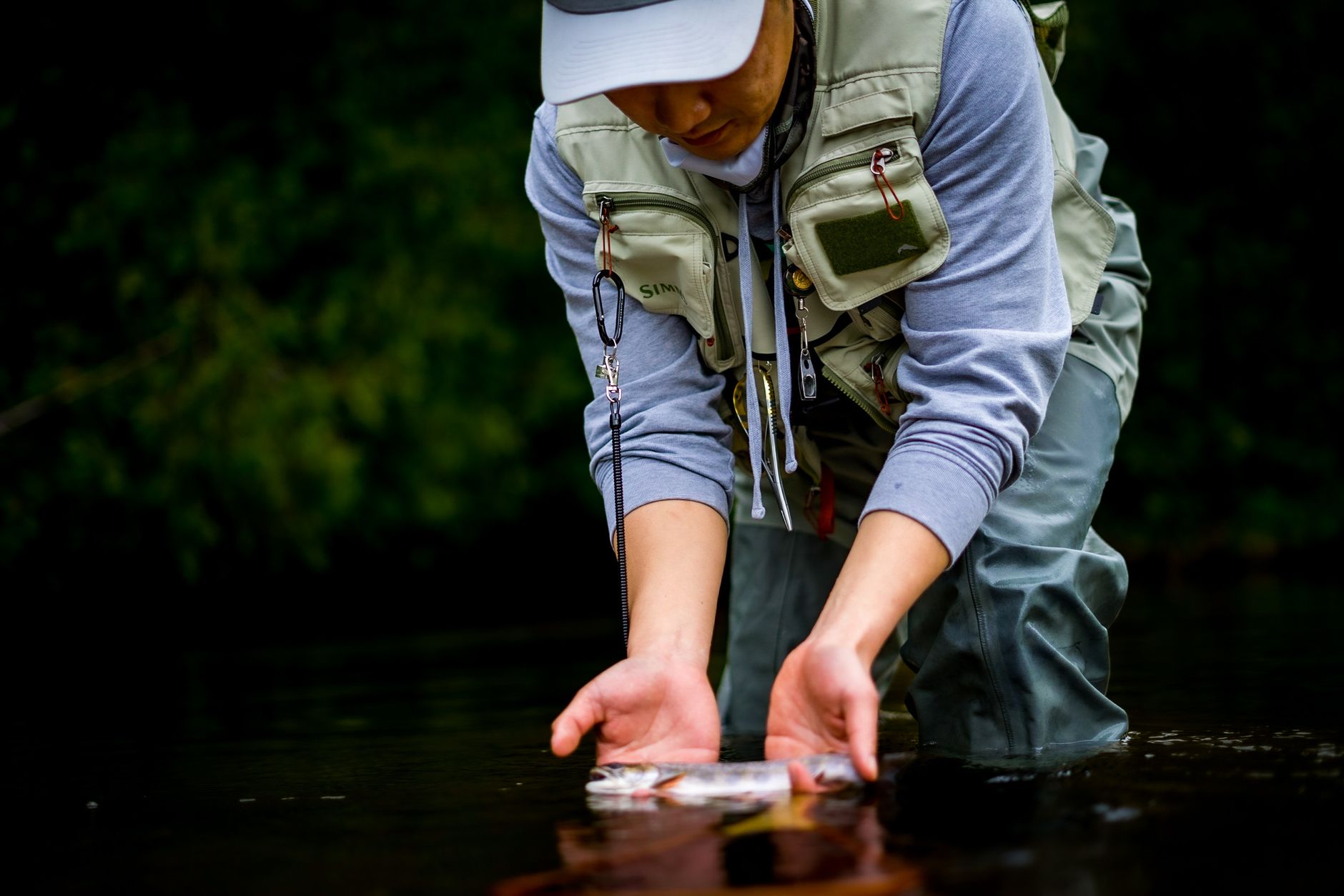
Lake trout, known for their size and fighting ability, present unique challenges that distinguish them from other freshwater species. Unlike bass or walleye that might inhabit shallower waters, lake trout prefer the deep, cold environments of northern lakes, typically positioning themselves 50 to 60 feet beneath the surface. This preference for depth fundamentally shapes the approaches anglers must take to successfully target them.

Raymond emphasizes that while there are various methods to explore, including trolling, jigging, and even fly fishing, the right technique largely depends on conditions and personal preference. "The best approach depends on equipment, depth, and water temperature," he explains, highlighting the importance of adaptability in lake trout fishing.
"The best approach depends on equipment, depth, and water temperature,"
Championship Implications
Among the most effective techniques, Raymond points to jigging as perhaps the most engaging method for targeting lake trout. "It's one of the most exciting techniques, as you feel every movement from casting to catching the fish," he notes. This stationary fishing method requires both finesse and patience, making it ideal for anglers who enjoy the tactical aspects of fishing.
"It's one of the most exciting techniques, as you feel every movement from casting to catching the fish,"
Race Results
The jigging technique involves using a jig head paired with soft bait, and Raymond strongly recommends incorporating fishing sonar to improve success rates. The technology allows anglers to identify both fish and underwater structures that attract lake trout. "Casting about 50 to 60 feet from rocky structures can yield great results," he advises, emphasizing the importance of positioning relative to underwater features.
"Casting about 50 to 60 feet from rocky structures can yield great results,"
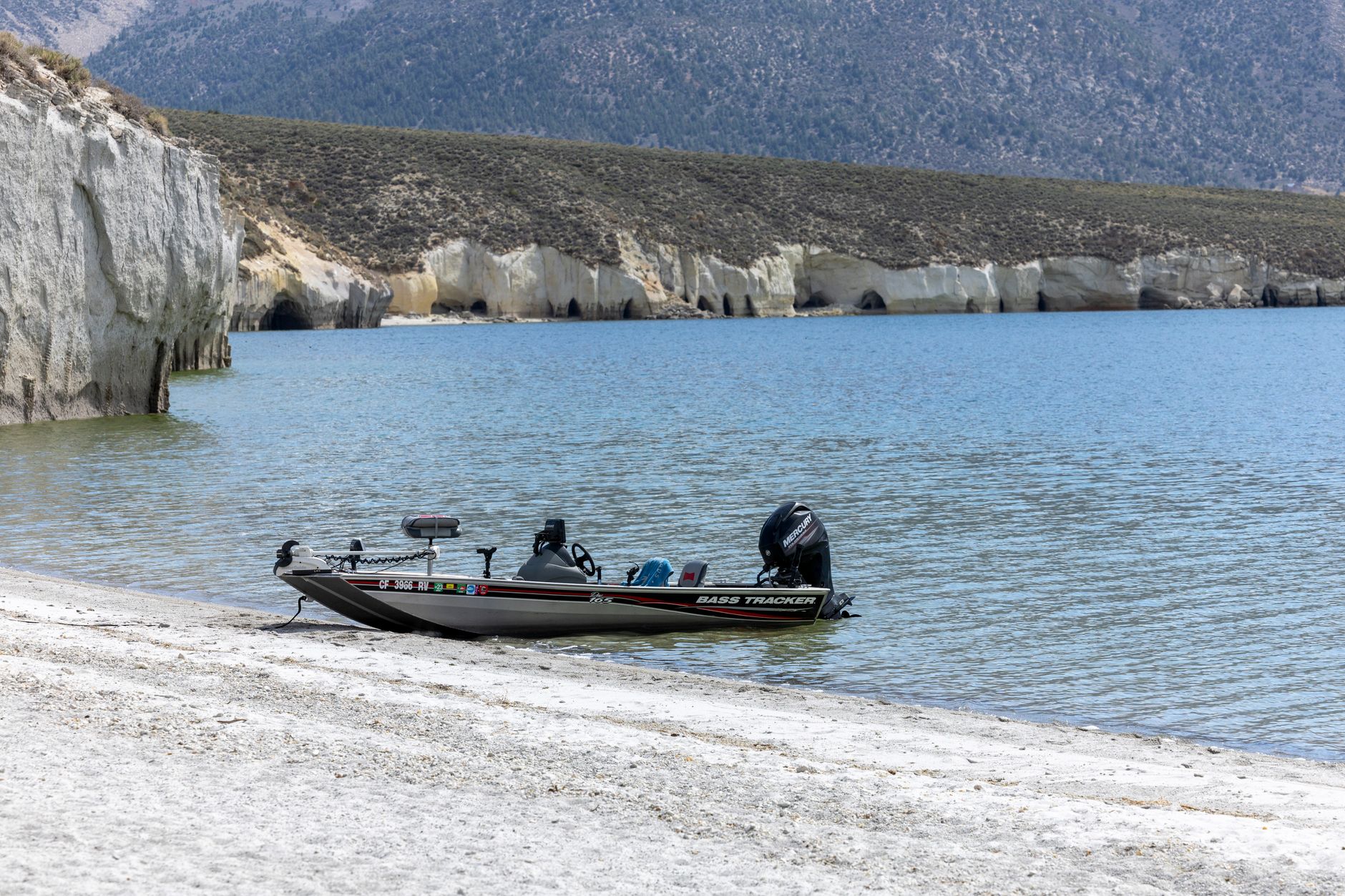
For anglers seeking to cover more water, trolling presents an effective alternative, though it requires additional equipment, particularly a motorized boat. The technique involves cruising at slow speeds between one and two kilometers per hour, often maneuvering in "S" shapes or straight lines. "Trolling works best near sandy bays during spring since the warmth attracts lake trout," Raymond explains.
"S"
Race Results
While trolling doesn't provide the same tactile feedback as jigging, its efficiency in covering large areas of water makes it valuable for locating active fish. Raymond suggests using hard baits with good swimming action for optimal results, as these lures can maintain their effectiveness even at the slow speeds required for lake trout trolling.
Another technique worth considering is drop shotting, which involves tying a hook to the line and placing a sinker at the bottom. This method allows baits to be presented at specific depths while maintaining contact with the bottom, where larger lake trout often position themselves.
The question of fly fishing for lake trout generates considerable debate among anglers, but Raymond believes it can be effective under the right conditions. "In the spring, when the water is cold, you might have success with streamers employing a trolling technique," he shares. However, he cautions that as summer progresses and water temperatures rise, lake trout typically move deeper, making fly fishing less effective.
"In the spring, when the water is cold, you might have success with streamers employing a trolling technique,"
Location selection proves crucial for lake trout success. Raymond notes that "from my experience, the largest lake trout are often located at the bottom," though these fish can also be suspended at various depths throughout the water column. This behavior requires anglers to think three-dimensionally when approaching lake trout fishing.
"from my experience, the largest lake trout are often located at the bottom,"
For shore-based anglers, Raymond recommends watching for breaks in the water and targeting rocky structures such as humps and boulders. The key lies in mobility and persistence. "If you're not getting bites, don't hesitate to switch locations," he advises. He also suggests pattern recognition, recommending that anglers look for areas that share similarities with previously successful fishing spots in terms of depth and underwater structure.
"If you're not getting bites, don't hesitate to switch locations,"
This systematic approach to location selection reflects the broader strategy required for consistent lake trout success. Unlike species that might be found in predictable shallow water locations, lake trout demand that anglers think more strategically about fish behavior and habitat preferences.
As the fishing season progresses, Raymond's guidance provides a foundation for anglers seeking to improve their lake trout success. Whether choosing the hands-on engagement of jigging, the efficiency of trolling, or testing skills with fly fishing techniques, the underlying principle remains consistent: understanding fish behavior and adapting techniques accordingly will enhance the overall fishing experience and increase the likelihood of memorable encounters with these impressive freshwater predators.