As dawn breaks over Canada's pristine lakes, a growing community of anglers is discovering the therapeutic benefits of freshwater fishing. With over 38 million enthusiasts participating annually, lake fishing has evolved from a simple recreational activity into a significant outdoor movement that brings families together while connecting people with nature.
"For many, it begins as a family activity, creating lasting memories," observed experienced anglers who have witnessed the sport's growth firsthand. This sentiment reflects a broader trend as more people seek outdoor activities that combine relaxation, skill development, and environmental appreciation.
"For many, it begins as a family activity, creating lasting memories,"
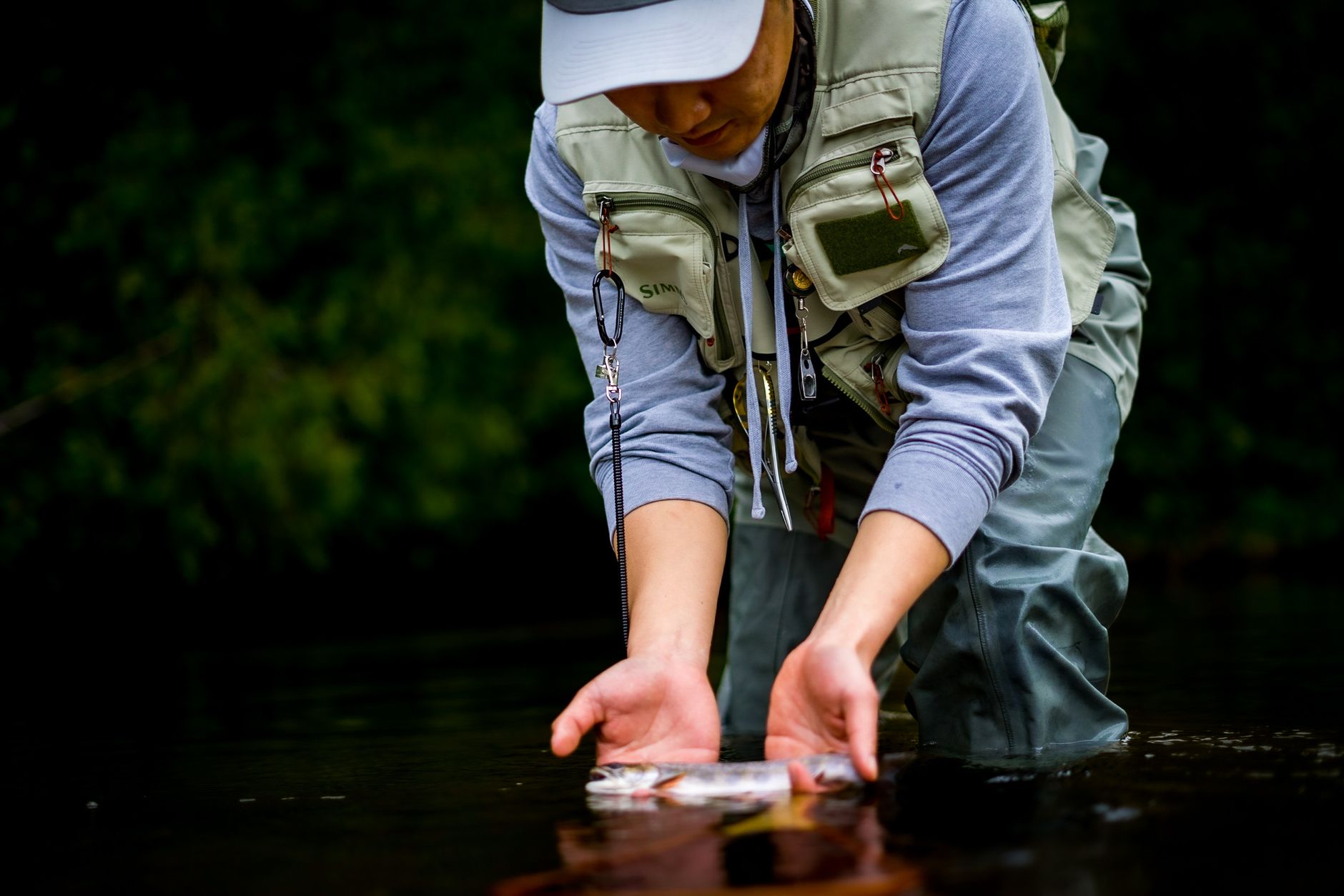
The appeal of lake fishing extends beyond its recreational value. Industry experts note that the activity serves as an accessible entry point for newcomers to the fishing world, offering calmer conditions and more predictable environments than ocean or river fishing. "Freshwater is great for beginners because it's easy to find good spots to practice," explained a fishing coach familiar with training new anglers.
"Freshwater is great for beginners because it's easy to find good spots to practice,"

For those considering joining this vibrant community, proper equipment selection forms the foundation of a successful fishing experience. Fishing experts recommend that novices start with a medium-action spinning rod paired with a simple reel, emphasizing the importance of user-friendly equipment. "Look for light, easy-to-use options for beginners," suggested industry professionals who regularly guide newcomers through their first fishing experiences.
"Look for light, easy-to-use options for beginners,"
Impact and Legacy
The technical aspects of gear selection follow specific guidelines that can significantly impact an angler's success rate. Beginner-friendly materials such as graphite or composite offer the ideal balance of sensitivity and durability, while spinning reels with smooth drag systems provide the reliability needed for consistent performance. Rod length typically falls between 5 to 7 feet, offering optimal casting distance and fish-fighting capability for lake environments.
Fishing line selection represents another critical component of the angling setup. Monofilament line has emerged as the preferred choice for beginners, with 6 to 12-pound test strength proving suitable for most lake fishing scenarios. This range provides adequate strength for varying fish sizes while remaining manageable for those still developing their technique. For anglers fishing in clear water conditions, fluorocarbon line in the 8 to 15-pound range offers increased invisibility underwater, though it requires more experience to handle effectively.
"The right gear doesn't guarantee success, but it dramatically improves your chances of a great fishing experience," noted an industry expert, highlighting the relationship between proper equipment and angling success.
"The right gear doesn't guarantee success, but it dramatically improves your chances of a great fishing experience,"
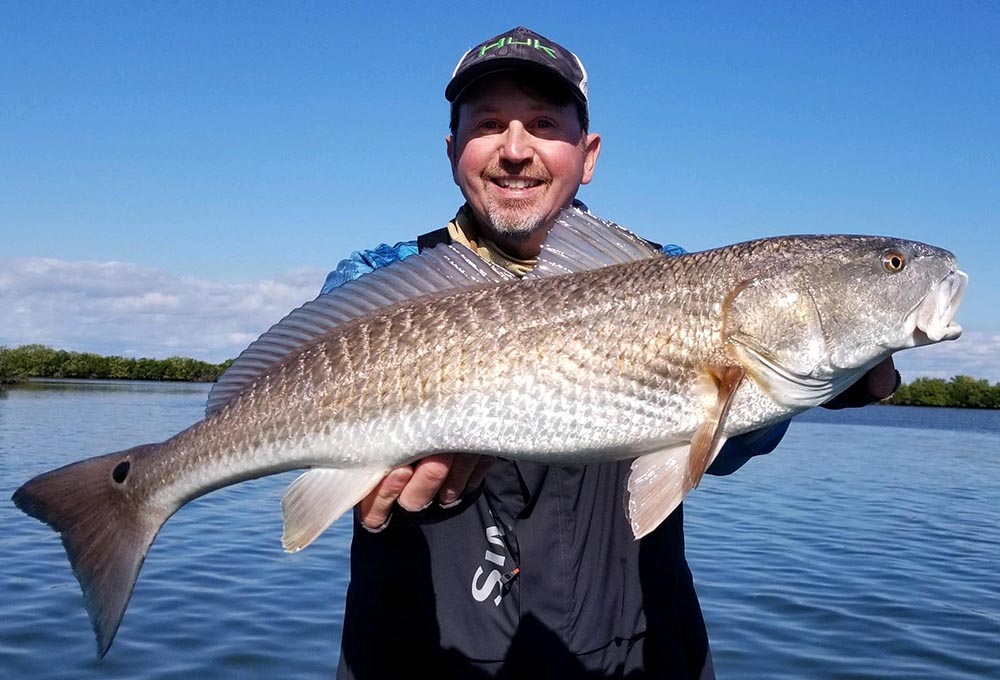
Beyond basic rod and reel combinations, successful lake fishing requires a comprehensive tackle collection. Essential components include a sturdy tackle box for organization, needle-nose pliers for hook removal, sinkers for weight adjustment, bobbers for bite detection, and hooks ranging from size 6 to 10 to accommodate various fish species. This foundational tackle set ensures anglers can adapt to different fishing conditions and target species.
The environmental aspects of lake fishing add complexity that extends far beyond basic equipment considerations. With approximately 41% of global fish species residing in freshwater environments, understanding diverse aquatic ecosystems becomes crucial for consistent success. "Know the lake, understand the fish – that's the first rule of successful fishing," emphasized a long-time angler who has observed the intricate relationships between habitat and fish behavior.
"Know the lake, understand the fish – that's the first rule of successful fishing,"
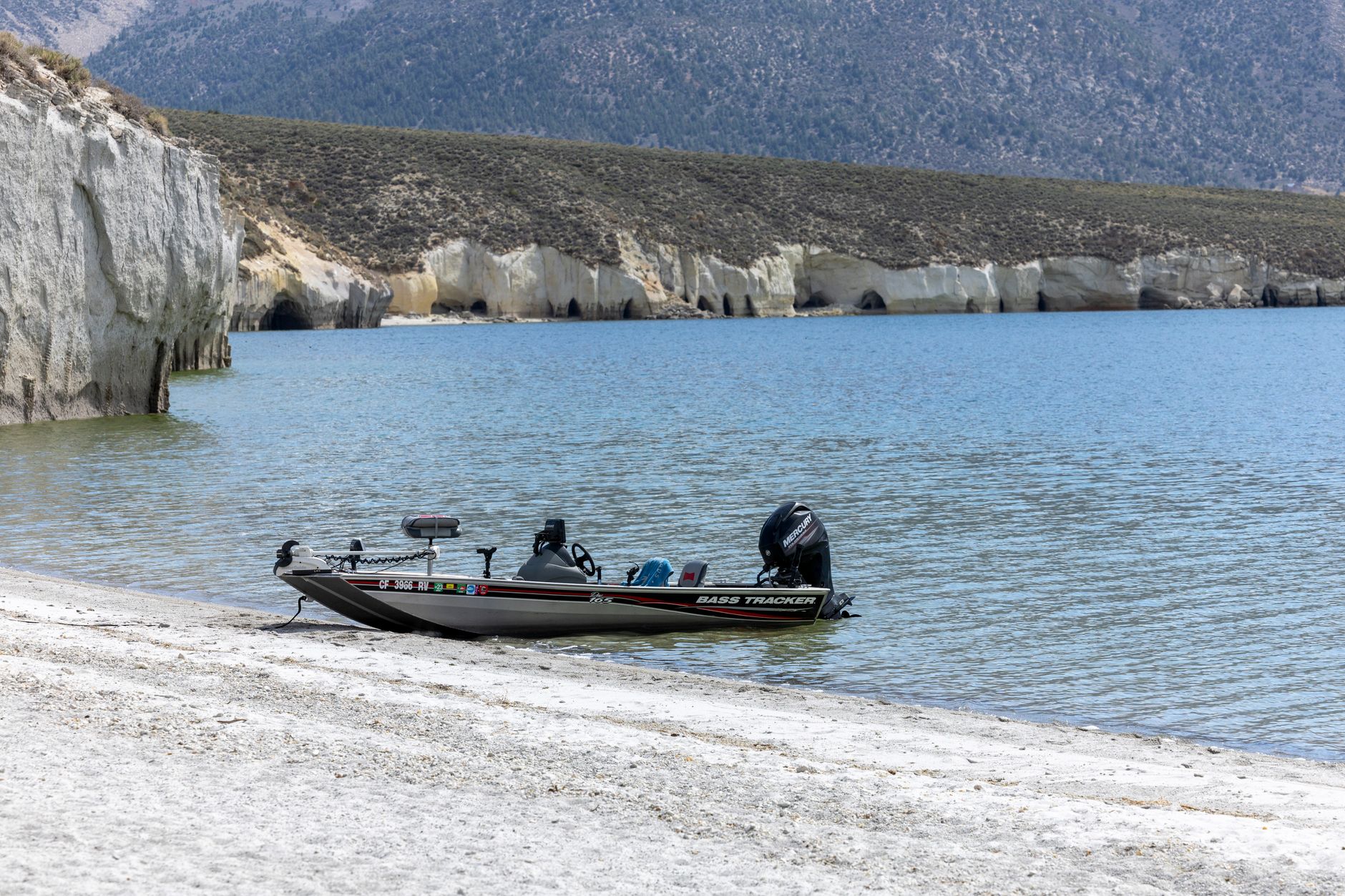
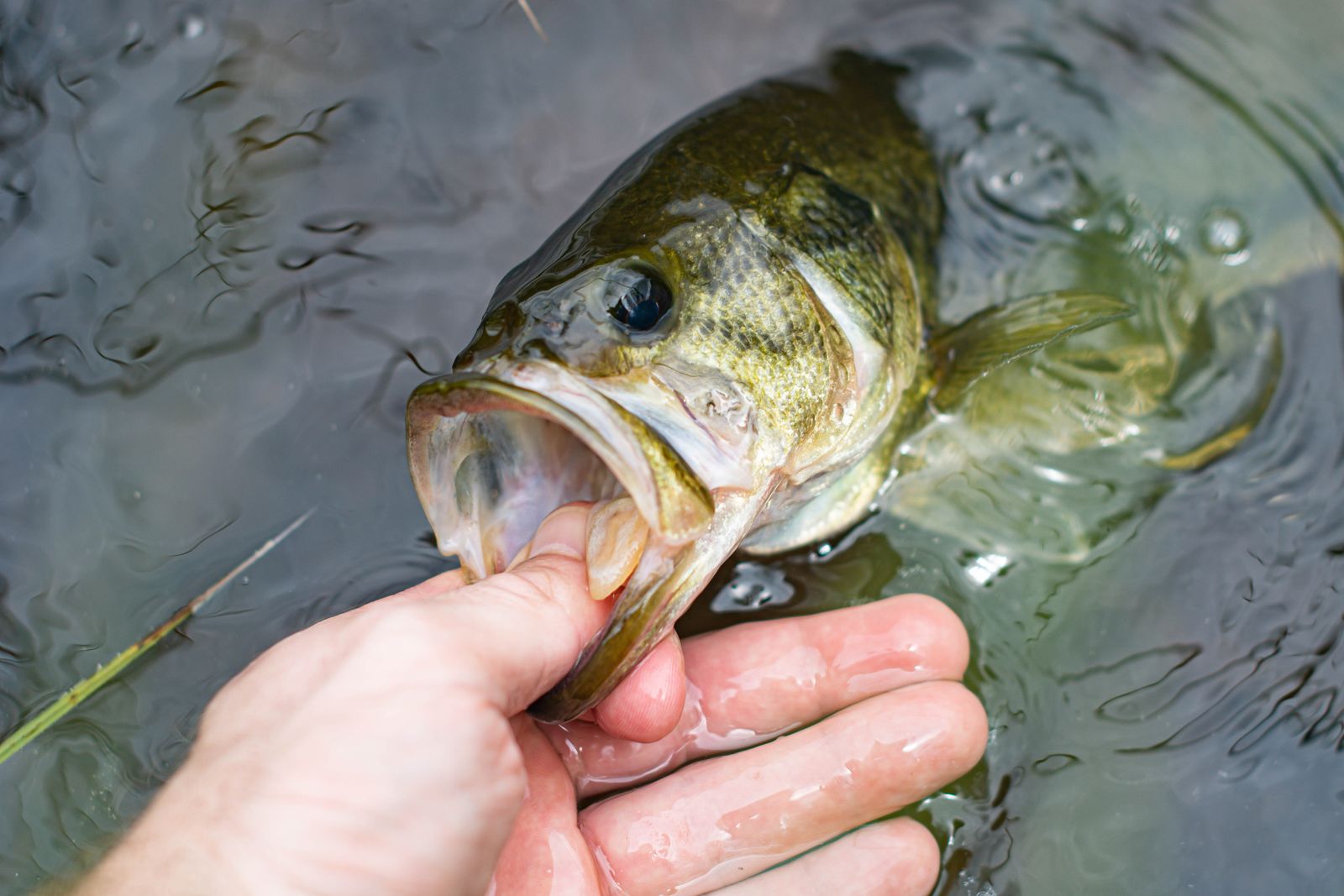
Lake environments present distinct fishing opportunities that require targeted approaches. Shallow shorelines typically harbor perch and small bass, making them ideal for light tackle and soft lure presentations. Weed beds often conceal northern pike and largemouth bass, necessitating weedless lure designs to avoid constant snags. Deep basin areas, known for lake trout and whitefish populations, respond best to deep diving lures that can reach fish holding in cooler, deeper waters.
Race Results
Environmental challenges facing freshwater ecosystems add urgency to responsible fishing practices. Climate change has resulted in rising water temperatures, prompting significant shifts in fish behavior and habitat preferences. These changes, combined with freshwater species facing substantial population declines since 1970, underscore the importance of conservation-minded angling practices.
Casting technique development represents the practical skill that transforms equipment knowledge into fishing success. For newcomers, mastering casting ability significantly enhances the overall lake fishing experience, allowing anglers to present lures accurately and efficiently cover productive water.
The lake fishing community continues expanding as more people discover the multifaceted benefits of this outdoor pursuit. From the meditative qualities of quiet morning sessions to the excitement of fighting trophy fish, lake angling offers experiences that resonate across age groups and skill levels. With proper preparation, appropriate equipment selection, and environmental awareness, newcomers can quickly integrate into this thriving community while developing skills that provide lifelong enjoyment and connection with natural aquatic environments.