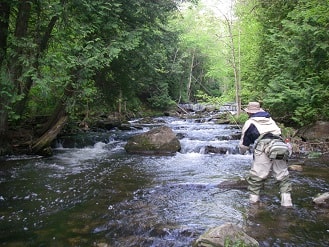
Trout fishing enthusiasts have a wealth of opportunities in Ontario, guided by expert insights accumulated over two decades of experience. As an authority in the field, I strive to equip anglers with strategies that can significantly enhance their chances of landing impressive trout. "This strategy, if mastered, can increase the amount of trout you catch by 90%," I emphasize, encapsulating a crucial approach in the pursuit of these prized fish.
While many anglers find themselves struggling to reel in larger fish, my reliable methods consistently lead to success. "There is a reason why 95% of anglers are catching little fish when I’m putting multiple big trout in the net on the same day and in the same river." These insights hold the keys to transforming the fishing experience in Ontario.
With hundreds of rivers populated with trout, Southern Ontario maintains its status as a premier fishing destination all year round. Here are five essential points about trout fishing in this rich landscape as shared by an experienced river guide.
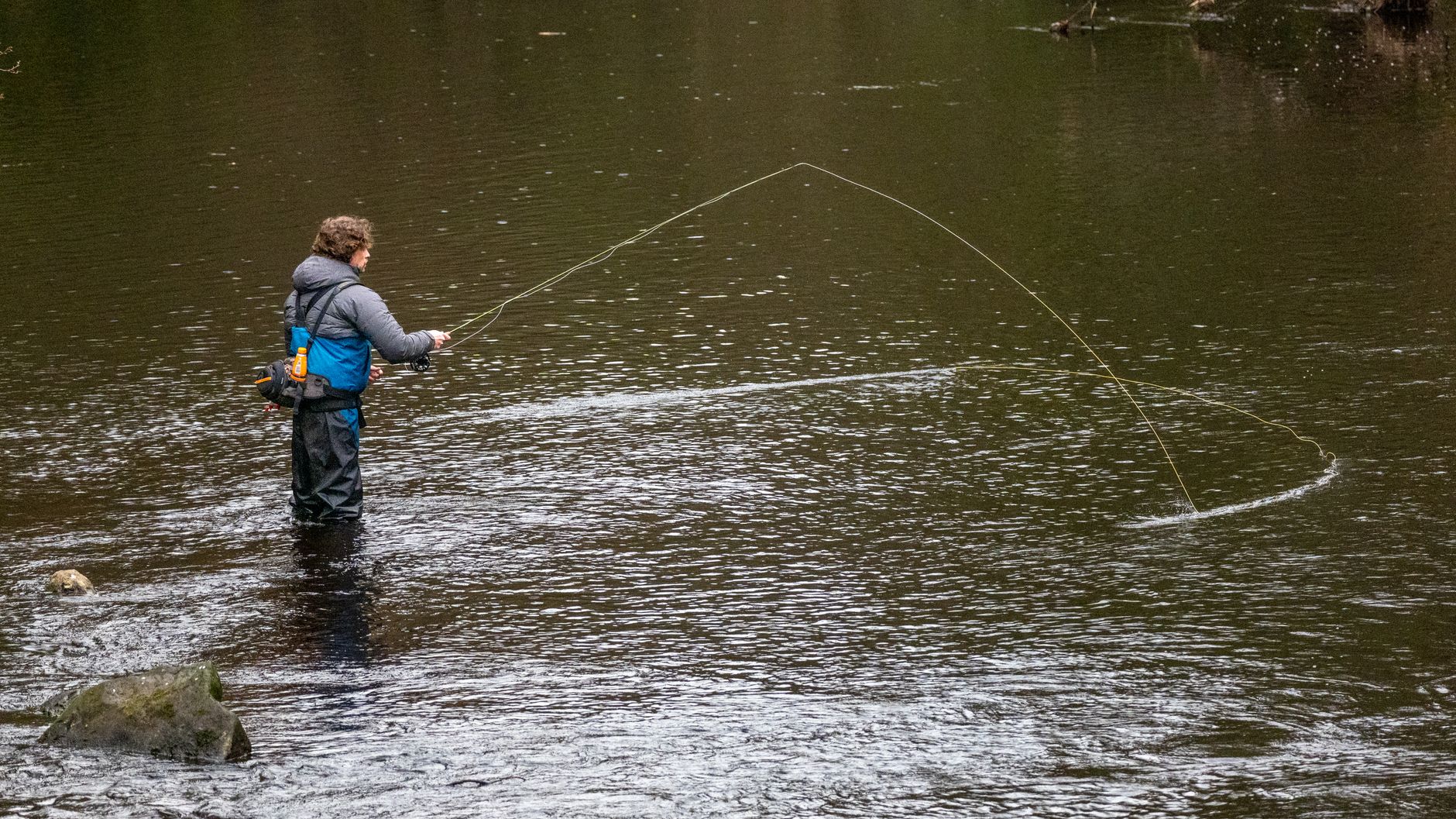
In Ontario, trout can primarily be categorized into two types: resident trout and migratory trout. Understanding the distinctions between these categories is vital for anglers aiming to optimize their fishing expeditions. I prefix this information with a clear note: "If you are going to start trout fishing in Ontario, you should know the difference between a resident trout and a migratory trout."
Resident trout exist entirely within their river systems, never migrating outside their homewaters. "Most brook trout and brown trout, and some rainbow trout, fall into this category in Southern Ontario," I explain. Specific populations can even be found in isolated ponds and lakes, particularly in the northern regions of the province where wild brook trout thrive, and some may weigh over five pounds.
"Most resident trout fishing in Ontario occurs during the trout open season, which starts in Southern Ontario on the 4th Saturday in April and is closed on October 1st," I inform prospective anglers. However, it is crucial to stay informed about specific water bodies, as some rivers have extended open seasons or may not follow the standard dates set by the Ontario Fishing Regulations.
Shifting to migratory trout, I provide clarity on the common confusion surrounding these fish. "The other reason I mention this is because the Ministry of Natural Resources lists steelhead as a rainbow trout in the fishing regulations, so to some anglers, it is a trout and to others, it is a steelhead."

Migratory rainbow trout, or steelhead, alongside migratory brown trout, are born in rivers but later migrate to oceans (or, in Ontario's case, the Great Lakes). They return to spawn once they reach maturity. "Both steelhead and migratory brown trout are trout that are born in the river and live in the river for the first 1 to 3 years of their lives," I explain. This migration contributes to their larger sizes, as they feast on ample baitfish within the Great Lakes environment.
"Out in the Great Lakes, there is an abundance of baitfish for these big rainbows and brown trout to feed on, so they grow bigger and faster than a resident trout would," I make clear, highlighting the appeal of these larger fish to anglers.
Southern Ontario provides a versatile fishing landscape due to its proximity to the Great Lakes, allowing for robust opportunities to pursue migratory trout throughout the year. "Three great things about migratory rainbow trout are: There are many opportunities to fish for them in rivers 12 months of the year, so anglers can still fish for them from October to late April, even after the normal trout season is closed for fishing," I conclude, painting a picture of an appealing future for trout hunters.
Ultimately, understanding the nuances of trout species and their behaviors can lead to a more successful fishing experience in Ontario's scenic waters. As meticulous as the craft can be, the right approach certainly contributes to a successful day on the water.

Looking ahead, anglers may find that mastering these insights will enhance their fishing prowess, leading to encounters with some of the finest trout Ontario has to offer. With the proper strategies and a commitment to understanding the environment, every fishing trip can become a rewarding adventure.