The northern pike is known for its aggressive nature and stealthy hunting tactics, making it a polarizing fish among anglers. Some fishermen applaud the challenge it presents, while others see it as a bait-stealing nuisance. Regardless of the viewpoint, there's no denying that northern pike are formidable predators in freshwater ecosystems.
Blake Tollefson, an onX Fish Ambassador, offers valuable insights into targeting this often underrated species. "Even though some anglers might see pike as a pest, they are one of the most thrilling fish to catch due to their size and aggression," said Tollefson.
Locating Northern Pike Lakes
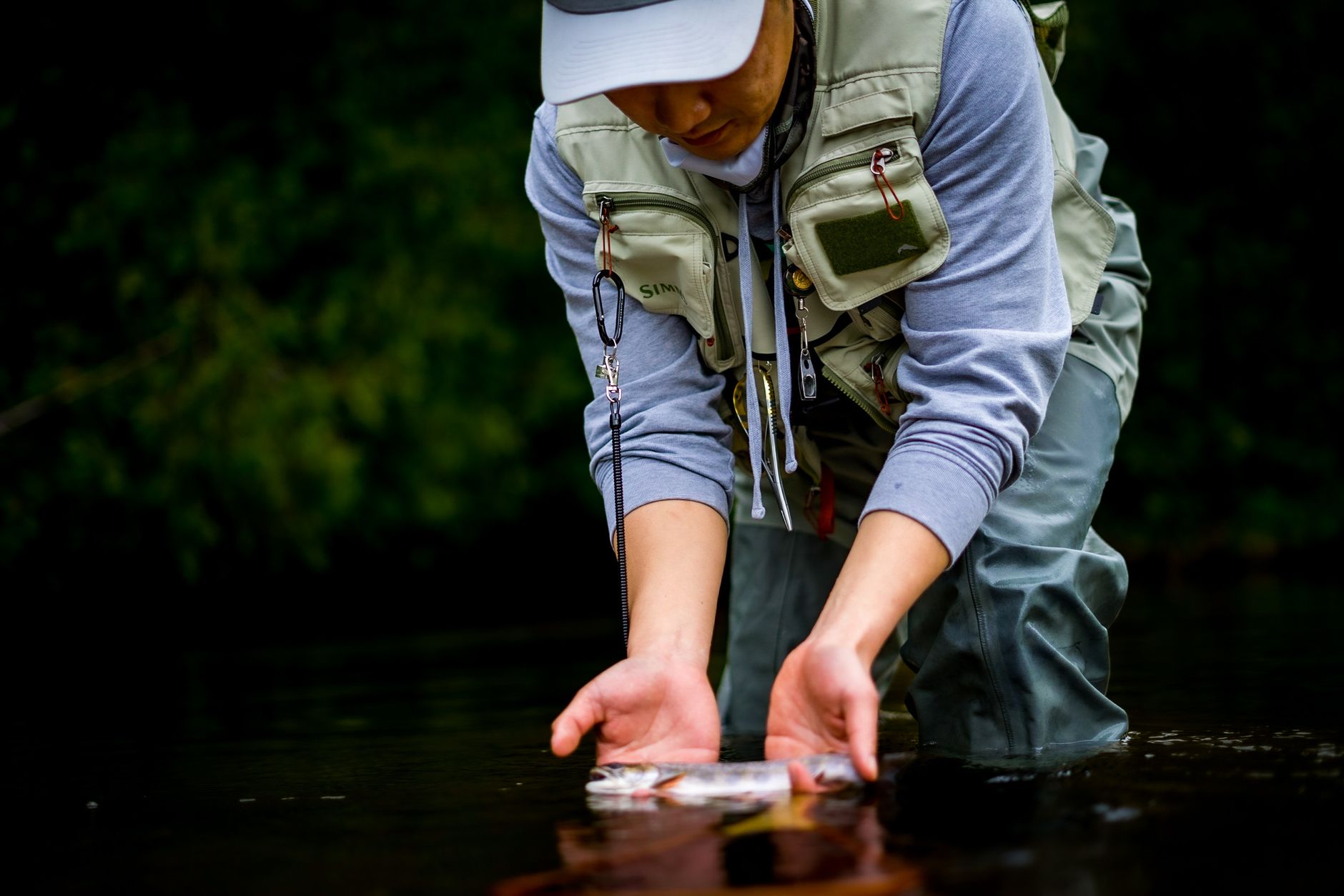
Northern pike (Esox lucius) inhabit a wide range of water bodies, from lakes and rivers to reservoirs and ponds. Their natural habitat spans the northern parts of North America, Europe, and Asia, particularly thriving in the northern U.S. and Canada.
Anglers engaged in northern pike fishing understand the rewards of targeting these fish. Tollefson emphasizes the importance of understanding their habitat: "Pike prefer regions with ample vegetation, where they can camouflage themselves and ambush prey effectively."
The Ideal Habitat for Pike
Pike are often found in shallow, cool-water environments that are teeming with vegetation and forage. During peak summer months, these fish tend to dive into deeper waters, often lingering near underwater structures. According to Tollefson, "Finding pike often requires looking for areas with abundant cover and structure. They love to hide where they can spring out at unsuspecting prey."
Water Temperature Considerations
These fish remain active year-round, but they exhibit peak activity in cooler water temperatures ranging between 55°F and 65°F. The critical window for pike spawning is when water temperatures rise to between 40°F and 45°F.
Techniques for Catching Pike
Some anglers who don’t specialize in pike fishing might suggest targeting other species like bass or walleye instead. However, Tollefson believes that a focused approach can yield better pike catches: "While they may hit on lures meant for other fish, there are specific techniques and lures that can significantly increase your chances."
Understanding Pike Behavior
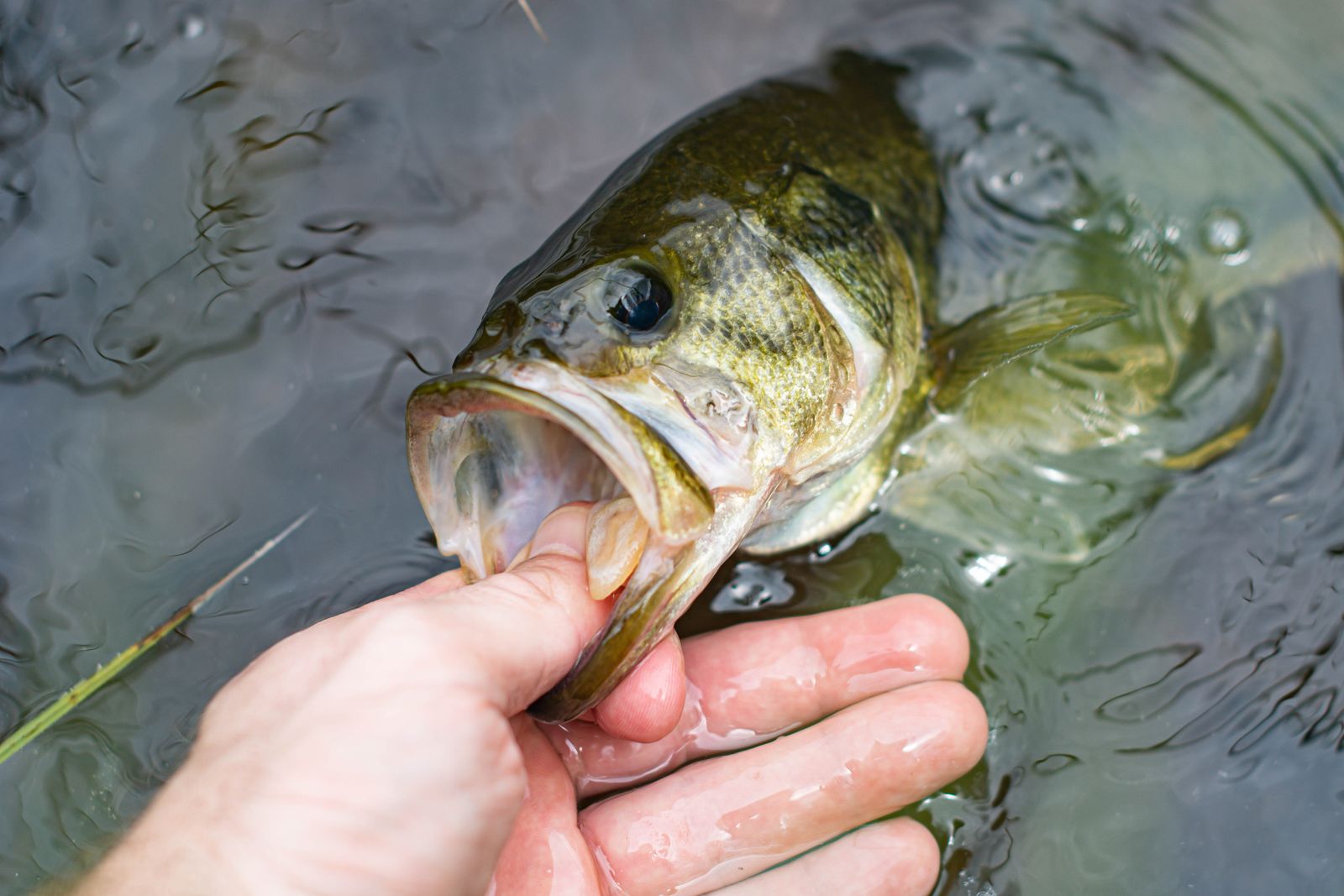
Pike exhibit a unique hunting style characterized by stealth and speed. They are opportunistic feeders, often lying in wait for the right moment to ambush their prey. Tollefson mentions, "Pike can be very gluttonous; they’ll often target prey much larger than yourself, which speaks to their predatory nature."
What’s on the Pike Menu?
When discussing their diet, the question might be better posed as, "What won’t they eat?" These voracious predators consume a variety of prey items, including bluegills, yellow perch, and even small mammals and birds. Tollefson notes, "Pike will go after just about anything, including other pike, if it fits in their mouths. A deeper understanding of their feeding habits will guide your fishing strategies and improve your chances of success."
Ideally, pike target meals that are about one-third their size, which becomes particularly relevant when fishing for trophy-sized individuals. As Tollefson advises, "In lakes with larger specimens, you can consider many larger bait options to draw them in."
Recommended Fishing Techniques
Pike fishing often entails using effective lures that create an element of attraction through flash, vibration, or noise. Common strategies include casting with lures such as spoons—an iconic choice among pike anglers. Additionally, ice fishing for pike typically involves using tip-ups baited with shiners or suckers.
Tollefson has specific recommendations for effective pike fishing gear. "Some popular lure styles include: spoon lures, spinners, bucktails, jerkbaits, and swimbaits. You’ll want to be equipped with reliable knots, such as the improved clinch or Palomar knots for secure lure connections."
Optimal Times for Pike Fishing
While all seasons provide opportunities to chase pike, cooler months often yield better outcomes. The ideal times to search for trophy-sized fish include the early spring, late fall, and during late winter.
Seasonal Insights
During winter months, anglers should target areas with healthy, standing vegetation, where pike are likely to be waiting to ambush unsuspecting baitfish. Tollefson asserts, "Finding good cover is crucial when aiming for pike, especially in the winter months."
By absorbing facts about northern pike fishing—including their preferred habitats and feeding behaviors—anglers can significantly improve their effectiveness on the water. With the right strategies and understanding of these aggressive predators, each fishing trip can turn into a rewarding adventure.