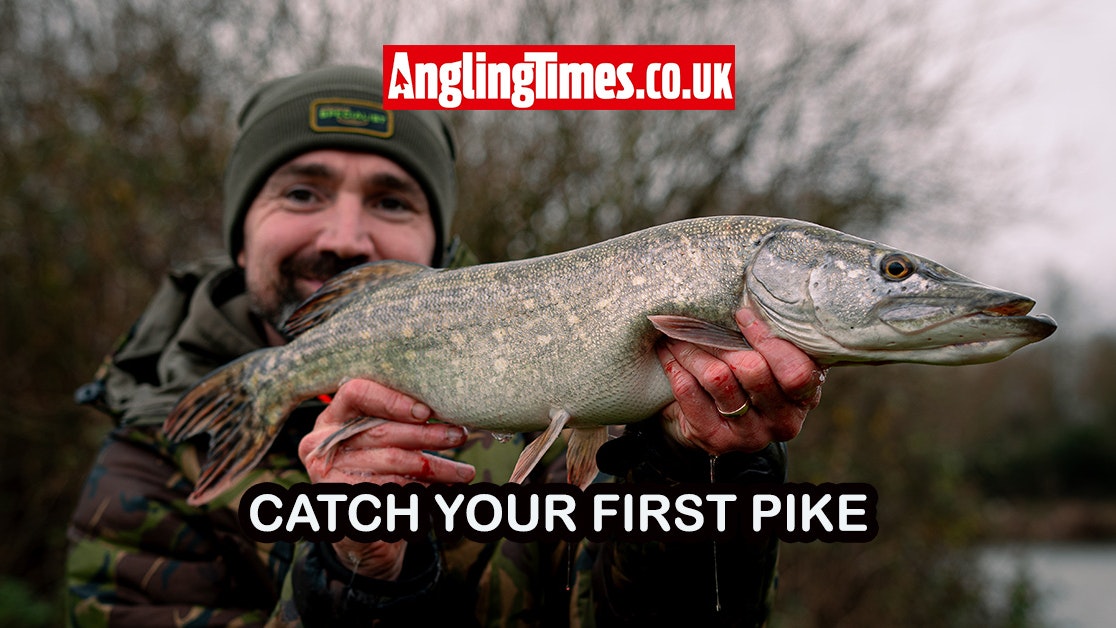
As the chill of winter sets in and the predator fishing season approaches its end, aspiring anglers may find the perfect opportunity to reel in their first pike. Renowned fishing expert Stu Lennox offers guidance tailored for those ready to embark on this exciting venture. "Pike are such an obliging fish and can be caught in the harshest of conditions, which makes them a perfect target during the colder months," Lennox explained. This accessibility makes it feasible to attempt a pike fishing session after work or on weekends.
The key to successfully catching pike lies in understanding their behavior. These fish can be found in almost every body of water, be it a lake, canal, or river. Although their size and population can vary, anglers should feel confident that opportunities to catch pike are prevalent. Finding the right location is critical: tracking down baitfish that pike typically feed on can considerably increase your chances of success.
According to Lennox, during the winter months, silverfish such as roach, rudd, and skimmers aggregate in specific areas. "If you walk the water at dawn or dusk, these silvers will often give themselves away by splashing on the surface," he explained. Once these baitfish are located, pike are likely to be lurking nearby. In addition, identifying areas of cover is crucial as pike are evolved predators that rely on ambush tactics. Reed beds, fallen trees, and structures that provide hiding spots are prime locations for fishing.
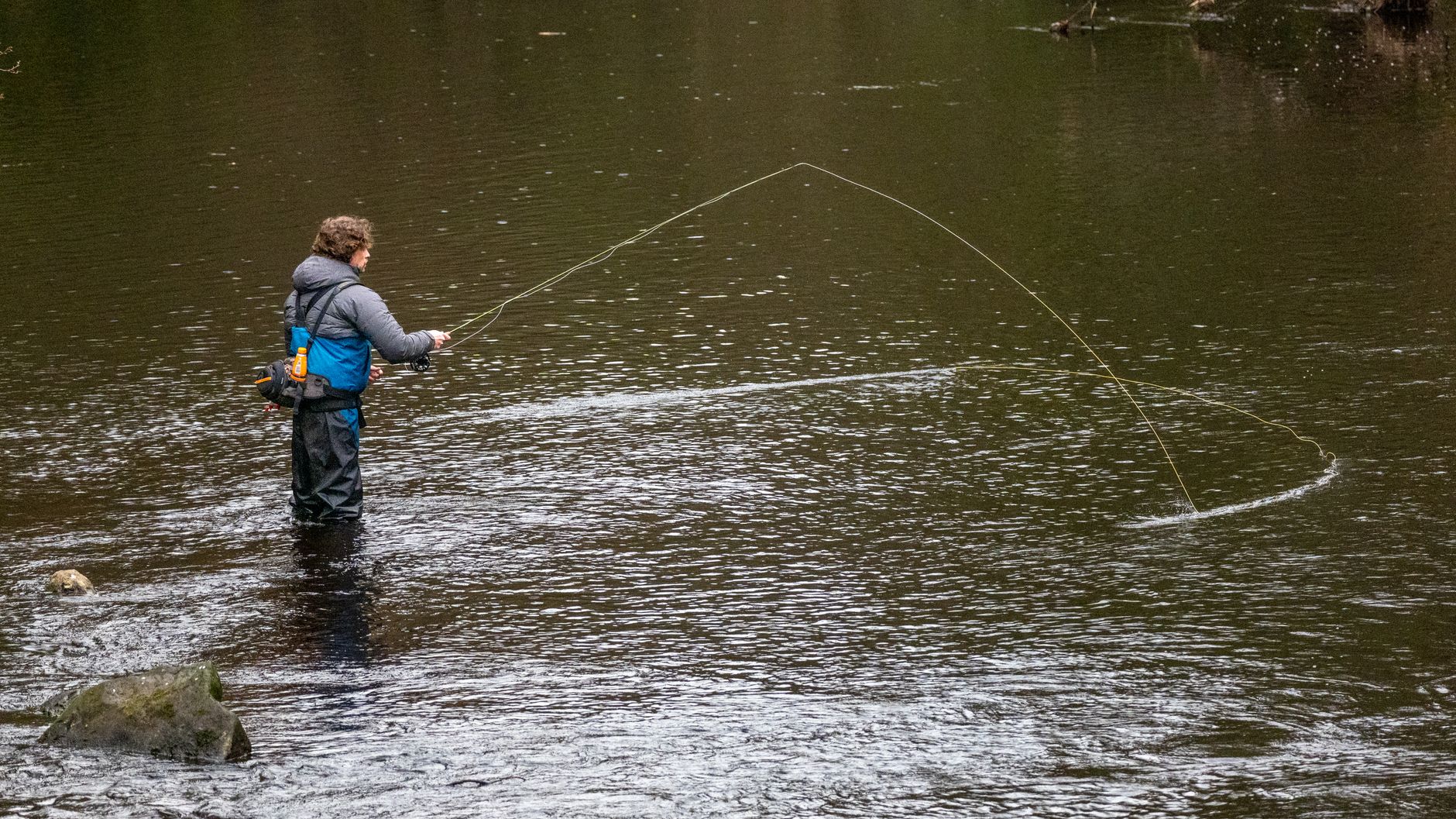
"Pike have row upon row of razor-sharp teeth which will easily cut through normal line," noted Lennox, emphasizing the importance of having the proper tackle when fishing for pike. He recommends using a wire trace, which can easily be purchased as a ready-made option for those new to the sport. Moreover, durability in your gear is key; a minimum of 20lb for monofilament or 50lb-60lb for braid is advised to withstand the fight of a pike and avoid losing any tackle in the process.
Anglers can choose between two primary methods for bait fishing: float fishing or legering. For float fishing, Lennox suggests using a bright buoyant float along with weights to ensure the bait remains submerged. A snap swivel is essential for attaching the wire trace to the line. Furthermore, a sliding stop knot and bead positioned above the float allows for quick adjustments in depth, providing flexibility in targeting various areas of the water.
"When it comes to legering, the rigs are equally simple – a large bore run ring, a bead to protect the swivel and again a wire trace," said Lennox. He warned anglers that pike are sensitive and often show resistance, which means the method of bite indication must be discreet to prevent alerting the fish.
For those hesitant about venturing out in colder weather, Lennox reassured potential anglers that pike fishing doesn’t require lengthy excursions. "Catching your first pike is easier than you think!" he declared, inviting newcomers to take a chance this winter. With expert advice and the right approach, it's clear that the path to landing a pike is well within reach.
For individuals keen on making their mark in the fishing world, the secrets to success are now set out before them. As winter continues, the waters await, offering a thrilling opportunity for catches that could turn into lifelong fishing stories.