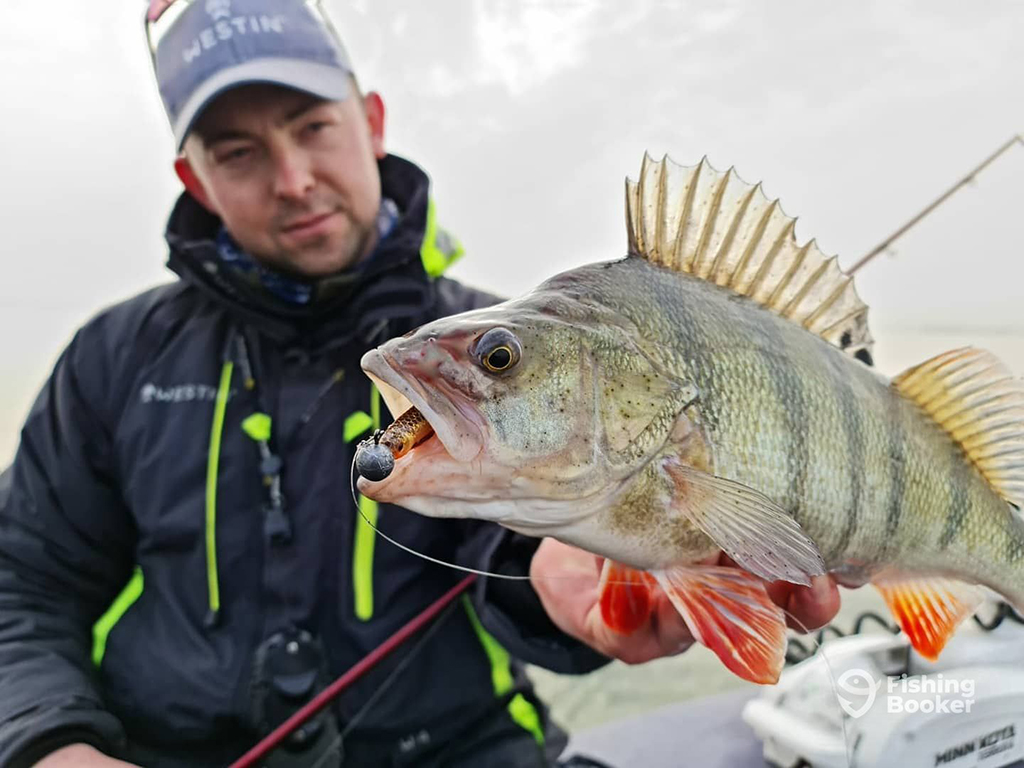
From the pristine lakes of North America to the flowing rivers of Europe and Asia, perch fishing has emerged as one of the most rewarding pursuits for anglers of all skill levels. These distinctive striped fish offer a unique combination of accessibility, challenge, and culinary appeal that continues to draw fishing enthusiasts across the globe.
"Perch are known for their distinctive stripes and flavor; they're a joy to catch and a treat on the dinner table," said a fishing enthusiast, highlighting the dual appeal that sets this species apart from other freshwater targets.
"Perch are known for their distinctive stripes and flavor; they're a joy to catch and a treat on the dinner table,"
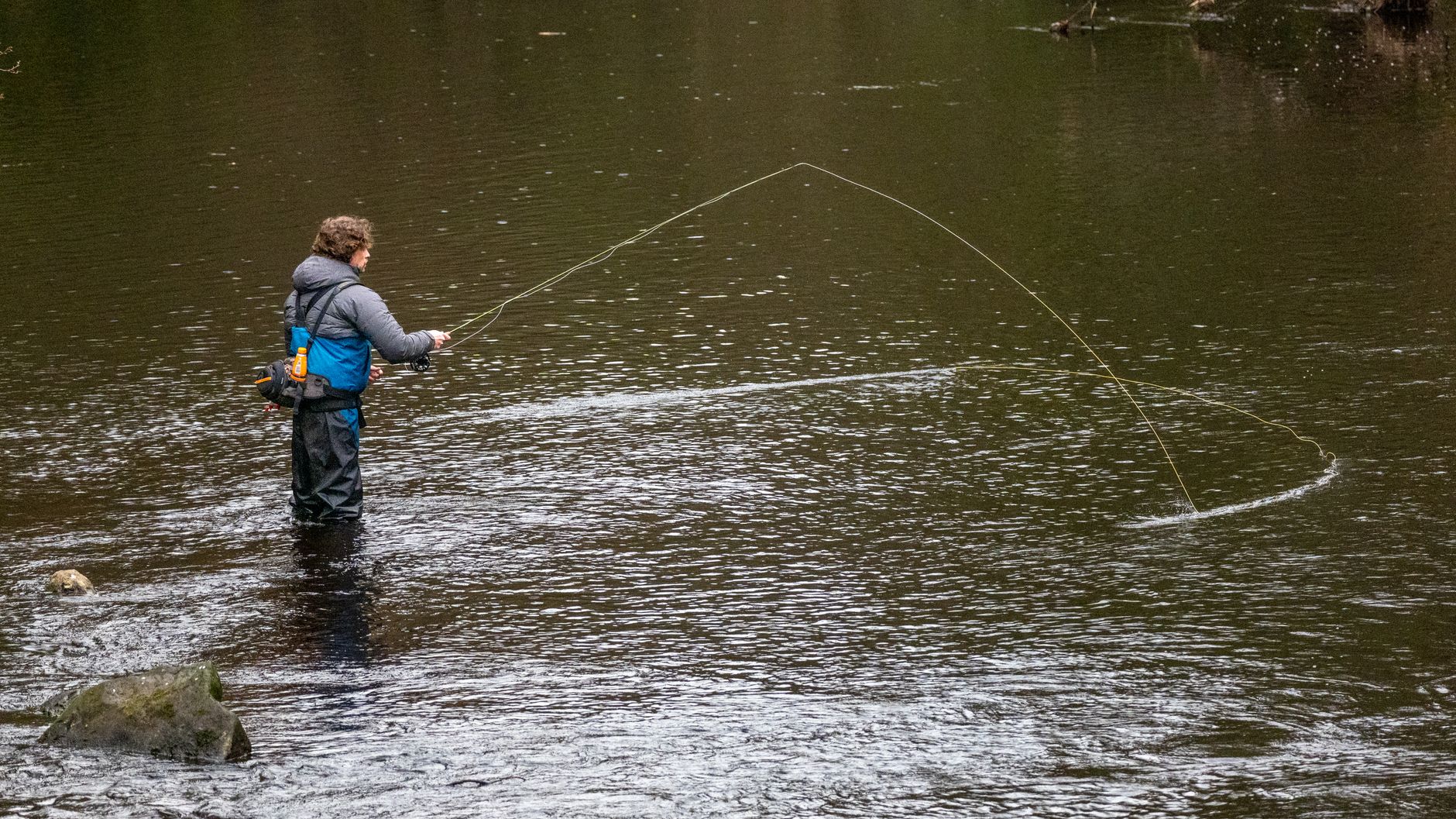
The popularity of perch fishing stems largely from the fish's remarkable adaptability and widespread distribution. Whether targeting the luminous Yellow Perch common throughout North American waters or pursuing the spirited European Perch found across Eurasia, anglers find these species both accessible to beginners and satisfying for experienced fishermen.

Race Results
What makes perch particularly attractive to anglers is their schooling behavior, which can transform a quiet fishing trip into an action-packed adventure. "Finding one Perch often leads to discovering more, as they tend to group together," explained a dedicated angler. This characteristic tendency to form schools, especially during feeding times, means that locating perch often results in multiple catches rather than isolated successes.
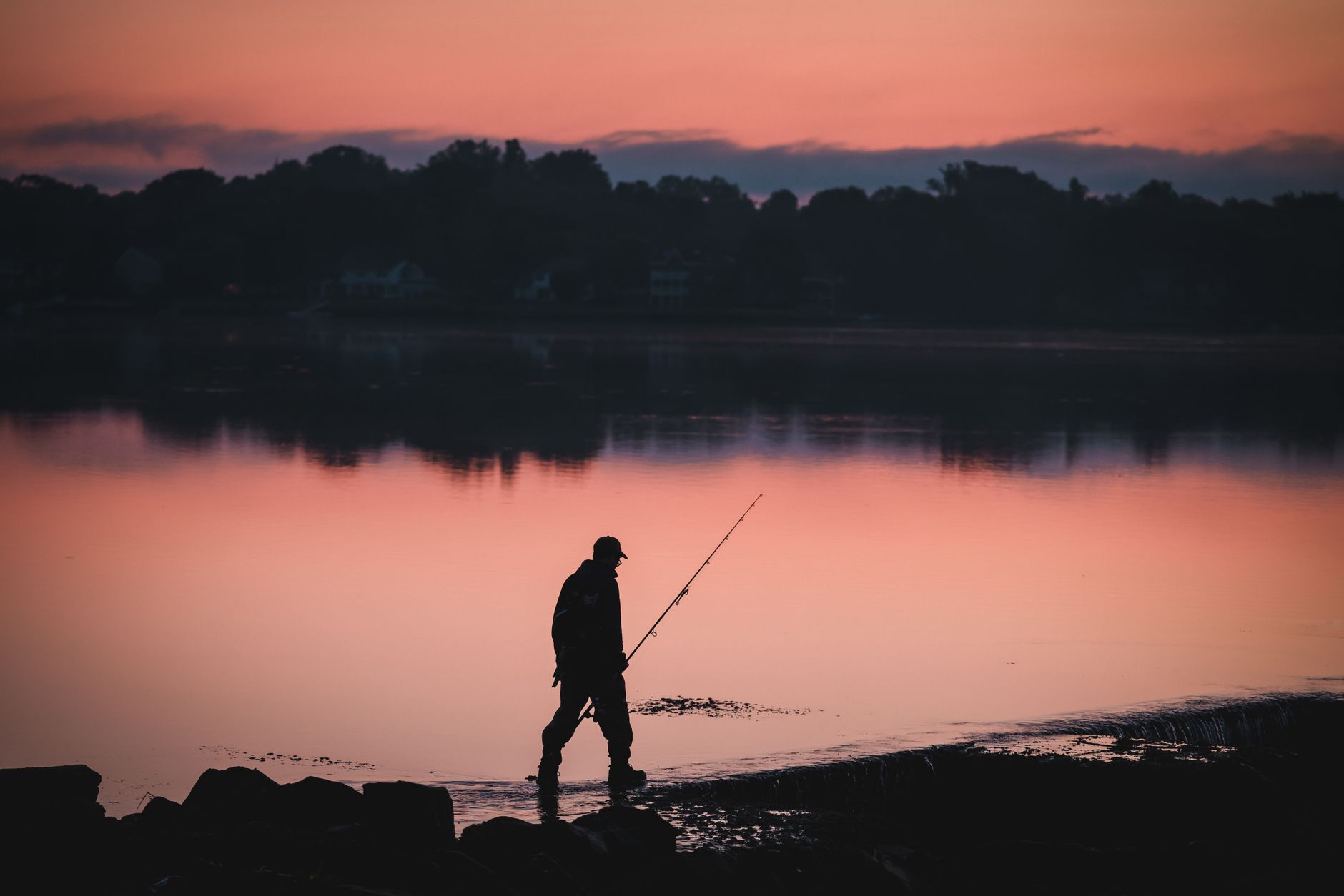
"Finding one Perch often leads to discovering more, as they tend to group together,"
Understanding perch behavior and habitat preferences proves crucial for consistent fishing success. "Knowing their habitat, feeding patterns, and general behavior is essential for any angler," stated a fishing expert, emphasizing the importance of species-specific knowledge.
"Knowing their habitat, feeding patterns, and general behavior is essential for any angler,"
Yellow Perch, the dominant species in North American waters, show a strong preference for clean freshwater environments rich in aquatic vegetation. "They thrive in lakes, ponds, and slow-moving rivers where they can find hiding spots and food, making these areas perfect for anglers," mentioned a local fisheries biologist. These fish gravitate toward areas that provide both cover and feeding opportunities, often positioning themselves near weed beds, fallen timber, or rocky structures.
"They thrive in lakes, ponds, and slow-moving rivers where they can find hiding spots and food, making these areas perfect for anglers,"
Their European counterparts share similar habitat preferences but are commonly found in moderately deep waters where cooler temperatures prevail. This adaptability to various water types and conditions contributes significantly to the species' appeal among anglers with different fishing environments available to them.
Timing plays a critical role in perch fishing success. These fish are primarily daytime feeders, with peak activity occurring during dawn and dusk hours. "They consume smaller fish, insects, larvae, and crustaceans, and their diet evolves as they mature," an experienced fisherman explained. This varied diet creates opportunities for anglers to experiment with different bait types and fishing techniques.
"They consume smaller fish, insects, larvae, and crustaceans, and their diet evolves as they mature,"
Impact and Legacy
Seasonal patterns also influence perch behavior and fishing strategies. "In spring, they move to shallower waters to spawn, which makes them more accessible to shore anglers," mentioned a fishing charter captain. Following the spawning period, perch typically retreat to deeper waters during summer months but return to accessible depths during fall and winter seasons, making them a popular target for ice fishing enthusiasts.
"In spring, they move to shallower waters to spawn, which makes them more accessible to shore anglers,"
Impact and Legacy
The size potential of perch adds another dimension to their appeal. While generally considered a smaller species, these fish can reach impressive proportions under the right conditions. Yellow Perch typically range from 4 to 10 inches in length, while European Perch may grow slightly larger. "Growth rates are largely influenced by factors like food availability and water temperature," said an aquatic researcher. This size variability means anglers never know when they might encounter a trophy-sized specimen.
"Growth rates are largely influenced by factors like food availability and water temperature,"
Bait selection significantly impacts fishing success when targeting perch. "Perch are quite responsive to both live and artificial bait, but live options often yield better results," stated a fishing guides' network representative, emphasizing the effectiveness of natural presentations.
"Perch are quite responsive to both live and artificial bait, but live options often yield better results,"
Worms rank among the most productive live bait options for perch fishing. Nightcrawlers and red worms prove particularly effective due to their natural movement and appeal to perch feeding instincts. "The natural movement of worms is a reliable attractor, as Perch are drawn to small invertebrates," noted a fishing expert.
"The natural movement of worms is a reliable attractor, as Perch are drawn to small invertebrates,"
The versatility of perch fishing extends beyond just catching fish. "Whether you're looking forward to a serene day by a lake or an icy adventure, Perch fishing is an experience to savor," noted a local fishing guide. This sentiment reflects the broad appeal of perch fishing across different seasons, locations, and fishing styles.
"Whether you're looking forward to a serene day by a lake or an icy adventure, Perch fishing is an experience to savor,"
For many anglers, perch fishing represents an ideal entry point into the sport while remaining engaging enough to hold the interest of seasoned fishermen. The combination of reliable action, fighting spirit, and excellent table fare ensures that perch will continue to captivate anglers for generations to come. As fishing techniques and equipment continue to evolve, the fundamental appeal of pursuing these striped freshwater favorites remains constant.