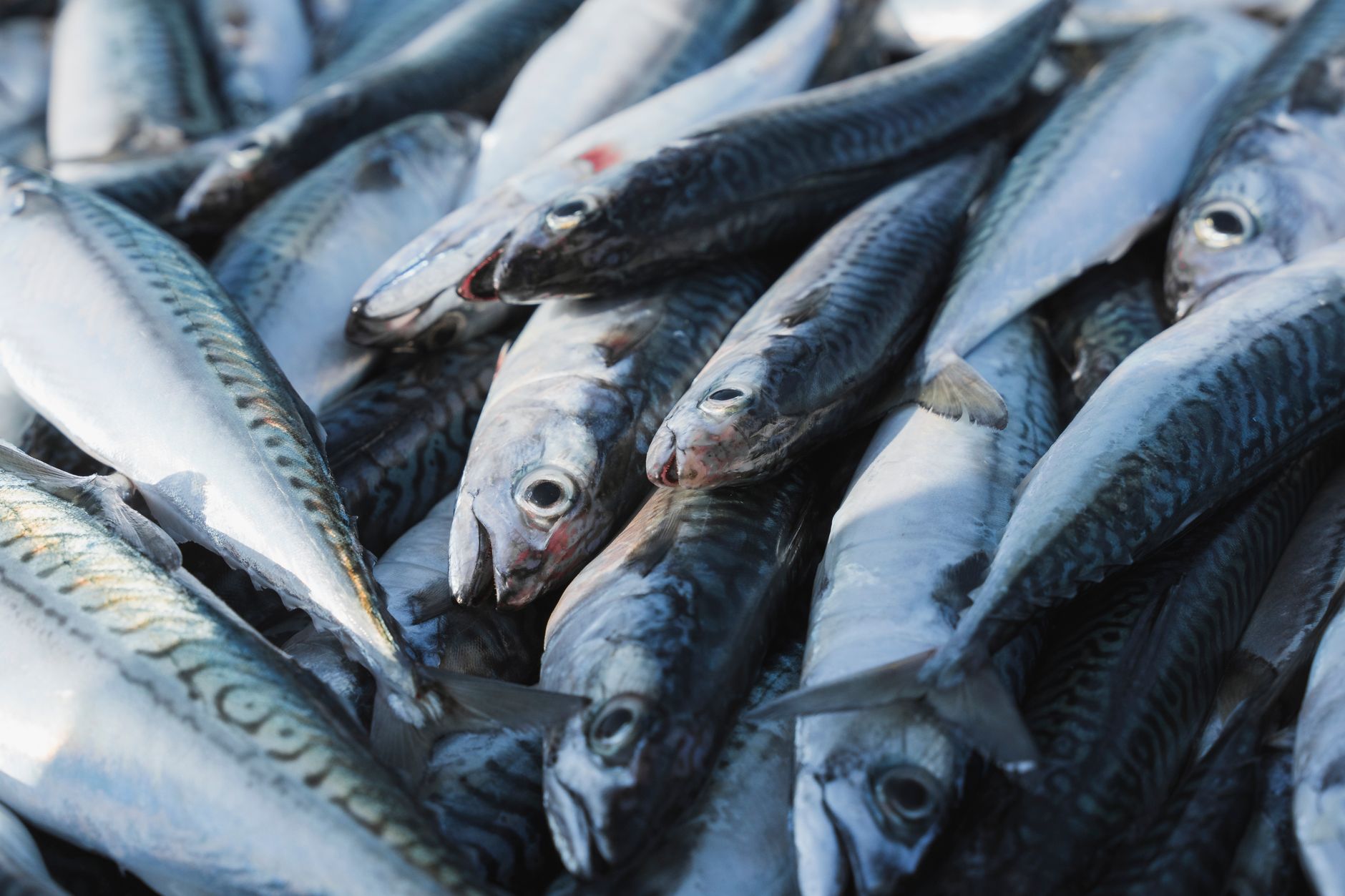
Canada has lifted its 2026 Atlantic mackerel catch limit threefold - and pleased virtually nobody in the process. On July 6, Fisheries and Oceans Canada (DFO) raised the total allowable catch from 500 tonnes to 1,500 tonnes, even as its own scientists kept the stock parked in the "critical zone," the weakest of three health ratings.
Almost all of the new allowance - 1,400 tonnes - is earmarked for a personal-use bait fishery. Another 60 tonnes covers bycatch, with 20 tonnes each going to scientific sampling and to live bait for the bluefin tuna fleet. Qualifying harvesters are capped at 454 kilograms a day. A commercial mackerel fishery, shuttered since 2022, remains closed.
DFO says the numbers are moving the right way, citing spawning stock biomass up almost 50 percent from a year earlier - albeit off a record low reached in 2021. Fisheries Minister Joanne Thompson cast the decision as help for a struggling sector. "This decision will improve access to bait and reduce costs for harvesters during a critical time for Canada's fisheries," she said in a statement.
Conservation groups say the department jumped the gun. Katie Schleit, fisheries director at Oceans North, pointed out that DFO had trimmed its own rebuilding target from 75 percent growth to 50 percent to clear the way. "The improvements are a positive step along the path to rebuilding," she said. "But we're jeopardizing future rebuilding, which would only benefit the industry in the future." Her advice was to wait: "Precaution should have been the solution this year. And we could have left it alone and allowed the stock to continue to grow with more certainty."
Fishing crews read the same decision as far too cautious. The Fish, Food and Allied Workers union (FFAW-Unifor), speaking for Newfoundland and Labrador harvesters, blasted the refusal to restore a commercial fishery its members insist has bounced back. President Dwan Street drew a contrast with the United States, which set its own 2026 mackerel quota at 11,237 tonnes - up around 1,200 percent on the year. "While Newfoundland and Labrador harvesters watch mackerel pass by, American harvesters are benefiting from Canada's closed fishery. This is not acceptable," she said.
Street signalled the fight isn't over. "We have seen Minister Thompson make decisions that place trust in harvesters' observations. That did not happen with mackerel, but there is still time to make the right decision for 2026 and reopen the commercial fishery," she said.
Sherry Glynn, the union's inshore director, said harvesters have exhausted their ability to make the case. "At this point, we are at a loss as to what additional information can be provided to demonstrate the increase in mackerel around Newfoundland and Labrador," she said, noting the bait-only logic misreads the region: "Mackerel is not used for bait in Newfoundland and Labrador the way it is in other regions, such as the Gulf."
Those who endured the closure aren't celebrating a partial reprieve. Ben Miller, a fifth-generation fisherman out of St. Margarets Bay, Nova Scotia, backed the direction but said the harm was already done. "Even though this small increase in the Bay fishery is a step in the right direction, I'm still very disappointed that we don't have a commercial fishery," he said, adding that the shutdown "just put us out of business."
Mackerel underpins the North Atlantic food chain and fills the bait tubs of the lobster and tuna fleets, which is why a swing of a few hundred tonnes provokes such anger on all sides. The verdict on whether 1,500 tonnes was prudent or premature will have to wait for DFO's next assessment.