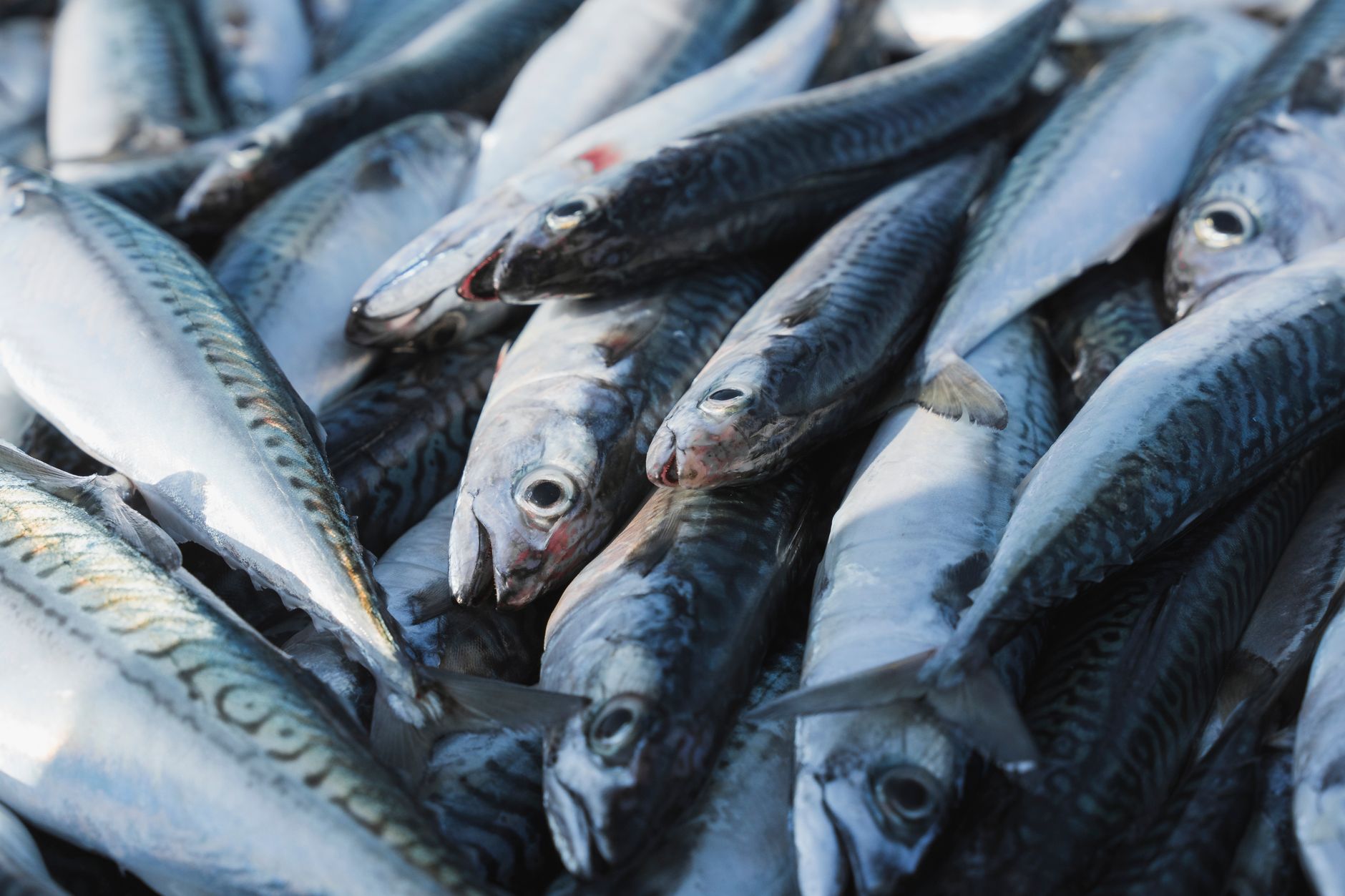
Canada has tripled its Atlantic mackerel catch limit for 2026, and it has managed to satisfy almost no one. Fisheries and Oceans Canada (DFO) lifted the total allowable catch from 500 tonnes to 1,500 tonnes on July 6, but the department's own science still lists the stock in the "critical zone" - the lowest of its three health tiers.
The bulk of the new quota - 1,400 tonnes - is set aside for a personal-use bait fishery, with 60 tonnes for bycatch and 20 tonnes each for scientific sampling and live bait in the bluefin tuna fishery. Eligible harvesters face a daily limit of 454 kilograms. There is still no commercial mackerel fishery; that has been closed since 2022.
DFO points to a rebuilding trend. The latest assessment found spawning stock biomass up nearly 50 percent year over year, though from a record low set in 2021. Fisheries Minister Joanne Thompson framed the increase as relief for a squeezed industry. "This decision will improve access to bait and reduce costs for harvesters during a critical time for Canada's fisheries," she said in a statement.
Conservationists argue the department moved too soon. Katie Schleit, fisheries director at Oceans North, noted DFO quietly lowered its own stock-growth objective from 75 percent to 50 percent to justify the bump. "The improvements are a positive step along the path to rebuilding," she said. "But we're jeopardizing future rebuilding, which would only benefit the industry in the future." Her prescription was to hold the line: "Precaution should have been the solution this year. And we could have left it alone and allowed the stock to continue to grow with more certainty."
Harvesters see it from the opposite direction - as far too timid. The Fish, Food and Allied Workers union (FFAW-Unifor), which represents Newfoundland and Labrador fishers, called the decision a failure to reopen a fishery its members say is already rebounding. President Dwan Street pointed across the border, where the United States set its 2026 mackerel quota at 11,237 tonnes, up roughly 1,200 percent from the year before. "While Newfoundland and Labrador harvesters watch mackerel pass by, American harvesters are benefiting from Canada's closed fishery. This is not acceptable," Street said.
Street left the door open to a reversal. "We have seen Minister Thompson make decisions that place trust in harvesters' observations. That did not happen with mackerel, but there is still time to make the right decision for 2026 and reopen the commercial fishery," she said.
The union's inshore director, Sherry Glynn, said fishers have run out of ways to prove what they are seeing on the water. "At this point, we are at a loss as to what additional information can be provided to demonstrate the increase in mackerel around Newfoundland and Labrador," she said, adding that the bait-only framing does not fit the region: "Mackerel is not used for bait in Newfoundland and Labrador the way it is in other regions, such as the Gulf."
For the fishers who lived through the closure, even the small opening lands as cold comfort. Ben Miller, a fifth-generation fisherman from St. Margarets Bay, Nova Scotia, welcomed the direction while making clear the damage is done. "Even though this small increase in the Bay fishery is a step in the right direction, I'm still very disappointed that we don't have a commercial fishery," he said. The shutdown, he added, "just put us out of business."
Mackerel sits at the base of the North Atlantic food web and in the bait tubs of the lobster and tuna fleets, which is why a few hundred tonnes either way draws such heat. DFO's next assessment will show whether 1,500 tonnes was a cautious step or a premature one.