
For years the toll that fishing gear takes on Britain's marine wildlife has been described as hidden, scattered across separate studies and patchy records. A new report has finally added it all up - and the total is grim.
Each year, UK commercial fishing accidentally kills more than 10,000 seabirds, over 1,000 whales and dolphins, roughly 500 seals and upwards of 120 tonnes of sharks, skates and rays, according to the coalition Wildlife and Countryside Link. More than 1,000 endangered Atlantic salmon are caught up in the count too. The findings were published on 10 June.
The organisation's chief executive, Richard Benwell, framed the problem as one of waste rather than necessity. "Thousands of animals die every year in UK waters because of avoidable fishing deaths," he said.
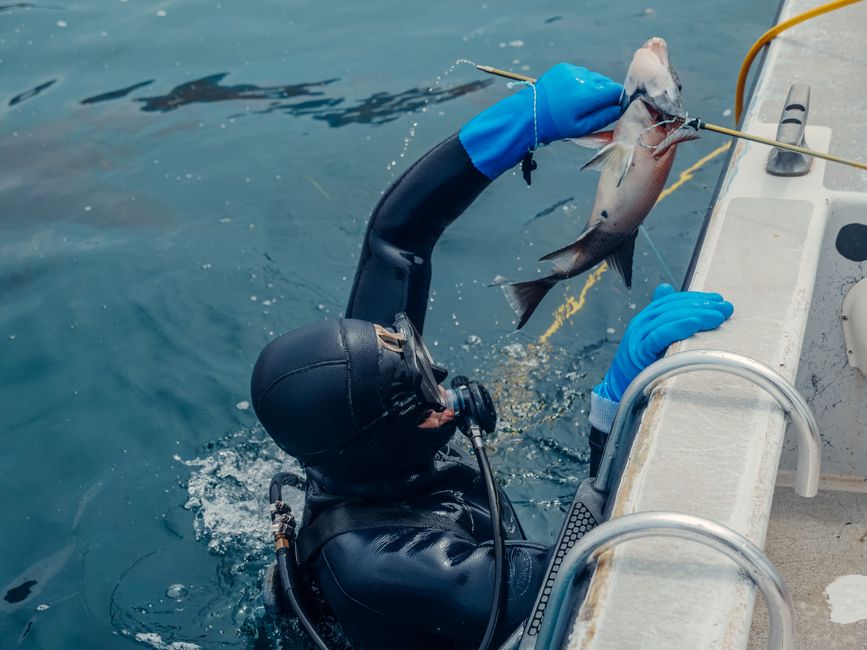
The casualties span razorbills, harbour porpoises, common dolphins and even minke and humpback whales. The report highlighted one seal, known as Legs, that had been recorded tangled in gear for seven years.
The RSPB focused on the seabird figure. "More than 10,000 seabirds are estimated to be killed each year in UK waters," said Katie-jo Luxton, its director of conservation.
Conservationists working the coastline see the impact up close. "Bycatch is the greatest threat to many of our most beloved marine wildlife here in Devon," said Carli Cocciardi, marine nature recovery officer at Devon Wildlife Trust.
None of the groups behind the report want fishing banned. What they want is a legal obligation to cut the carnage. "We need legally binding Bycatch Action Plans, mandatory monitoring across the fleet," said Lucy Babey, director of programmes at the whale and dolphin charity ORCA.
Many of the remedies already exist. Weighting lines so baited hooks sink fast keeps diving seabirds off the gear; acoustic pingers steer porpoises clear of nets; and redesigned ropes and nets reduce entanglements. The coalition's bigger ask is on-board cameras - remote electronic monitoring - across every vessel in English waters, so the real figures can be recorded instead of estimated.
The coalition now wants binding targets written into the next fisheries management plans, backed by enforcement. Whatever happens next, the report has done one thing that had never been done before: put a hard number on a problem that was easy to overlook.