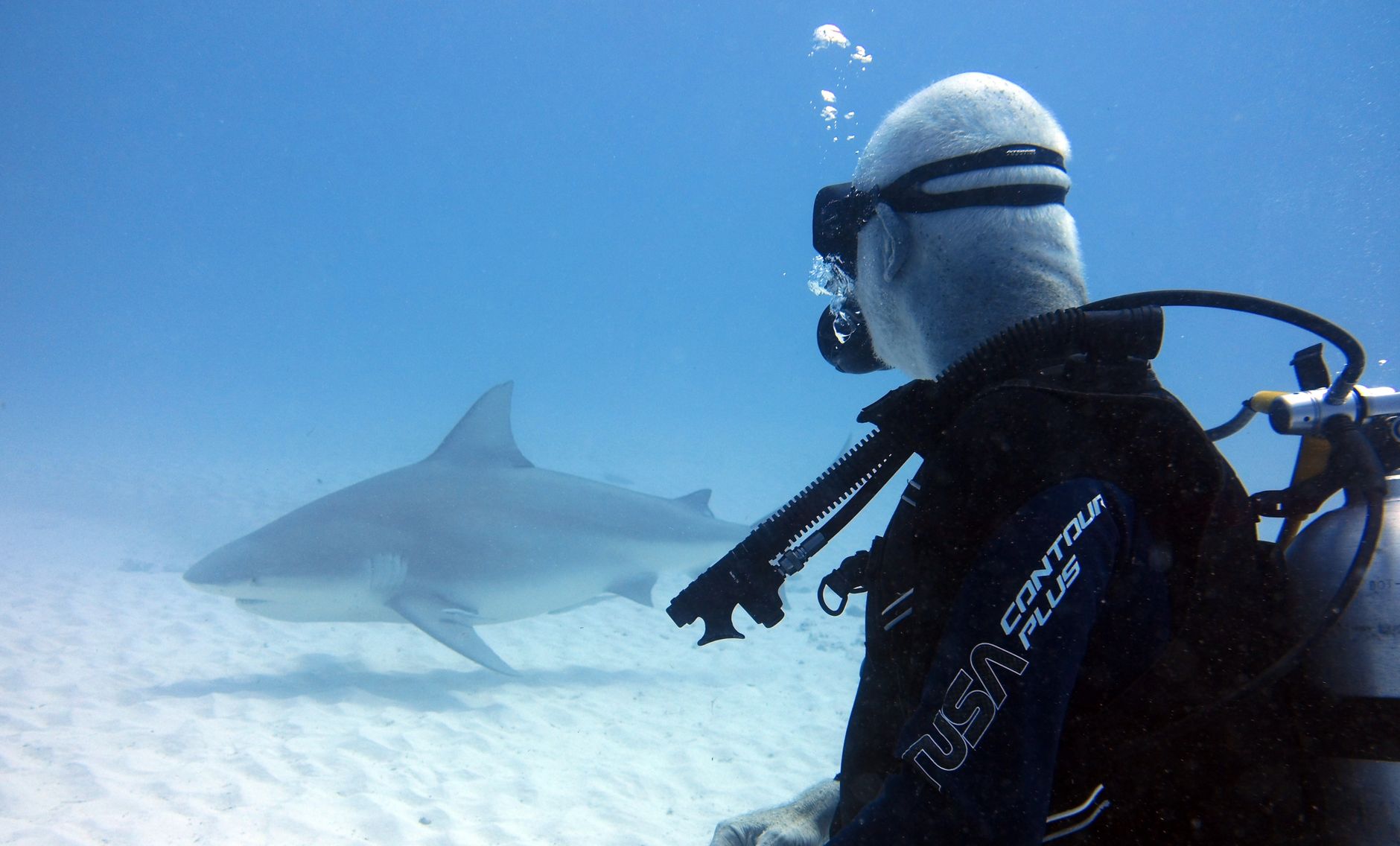
On a quiet stretch of the Brisbane River, a pair of amateur fishermen haul in a large bull shark, photograph it, and let it go. Under Queensland law they have no choice — the shark is too big to keep. A growing number of recreational anglers want that to change.
Leading the push is David Frisina, a Brisbane angler and keen jetski rider who has lodged a petition with the Queensland government calling for fishing restrictions to be reviewed and relaxed, and for population control measures, including culls, to be put on the table.
Frisina, now in his 60s, says the waterways he grew up on no longer feel safe. In the late 1970s and early 1980s he water-skied on the river around Long Pocket. "I wouldn't do that anymore," he said. "And I'd tell my kids and grandkids not to do it." These days he sticks to his jetski, and even that comes with unease. "I love getting out on the water — it's my freedom. But [I'm] actually scared to fall off," he said. His motivation, he says, is the next generation: "I want them to have the lifestyle I had."
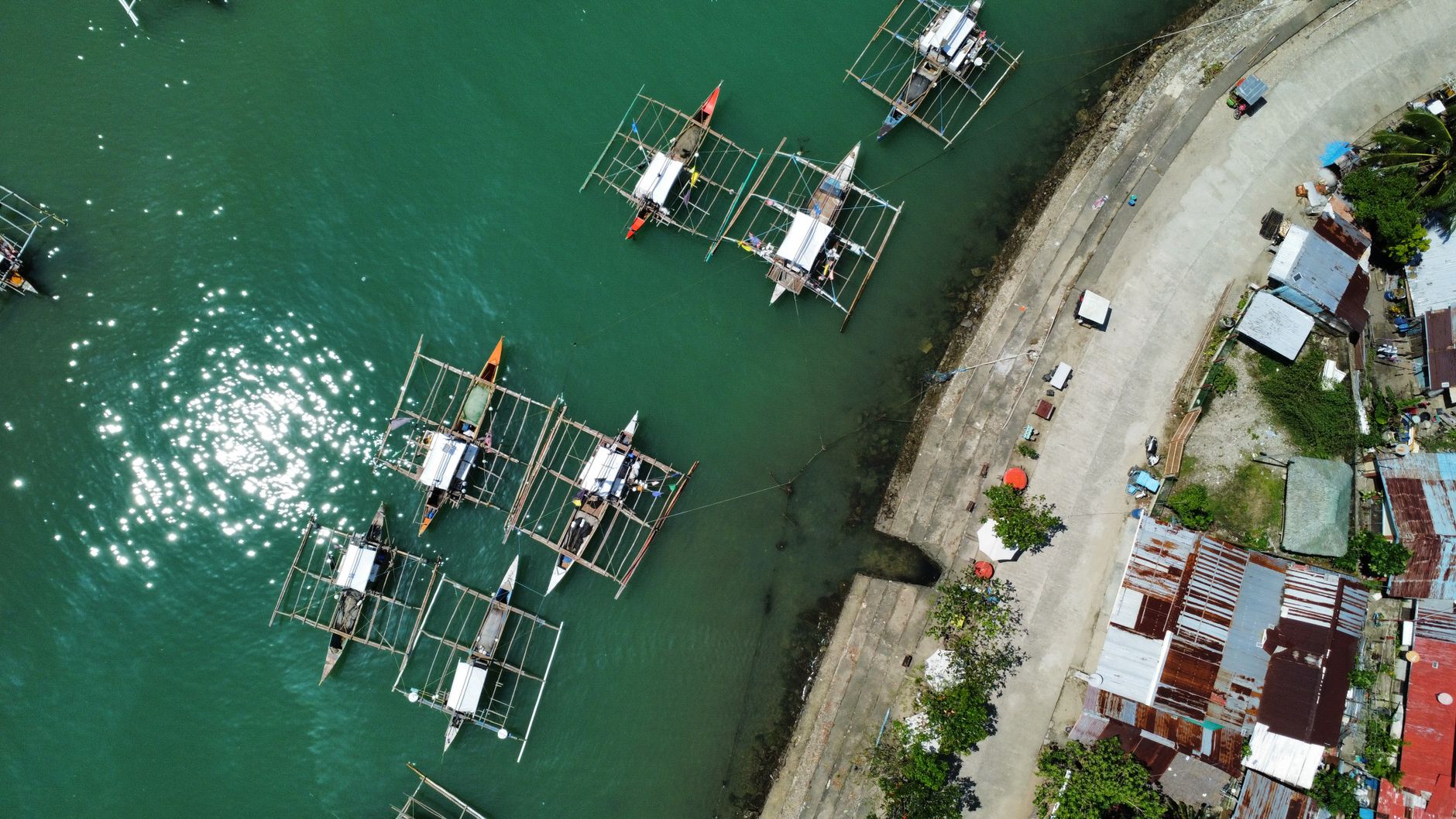
He is not alone in wanting freer rein. Richard Smith has fished the Brisbane River for decades and regularly targets bull sharks, which he rates among the river's most exciting catches. "They're fast and powerful fish. They move very quickly through the water so they're a great fight," he said. Smith has tangled with sharks up to three metres long from his kayak, and has watched them snatch hooked fish off his line before he could land them — a problem anglers call depredation.
Whether shark numbers are genuinely climbing is harder to pin down. Daryl McPhee, a marine expert at Bond University, says the evidence is largely anecdotal and easily amplified by social media clips. "The anecdotal information is that the population of bull sharks is increasing," he said. "In terms of getting scientific information, they're large animals, they're mobile animals, they're animals that can roam around a large area and that makes it very difficult to get a population assessment."
Researchers have started to fill that gap. A major tracking study of bull sharks across south-east Queensland, overseen by Dr Bonnie Holmes, found the predators are far more common in the region's beaches and rivers than most swimmers realise, quietly sharing the water with anyone who wades in.
The Queensland government says it is working on a more reliable population assessment. Until those numbers exist, the state is caught between anglers who want the rules eased and scientists urging caution before any move to relax limits or cull a species whose true abundance nobody can yet measure.