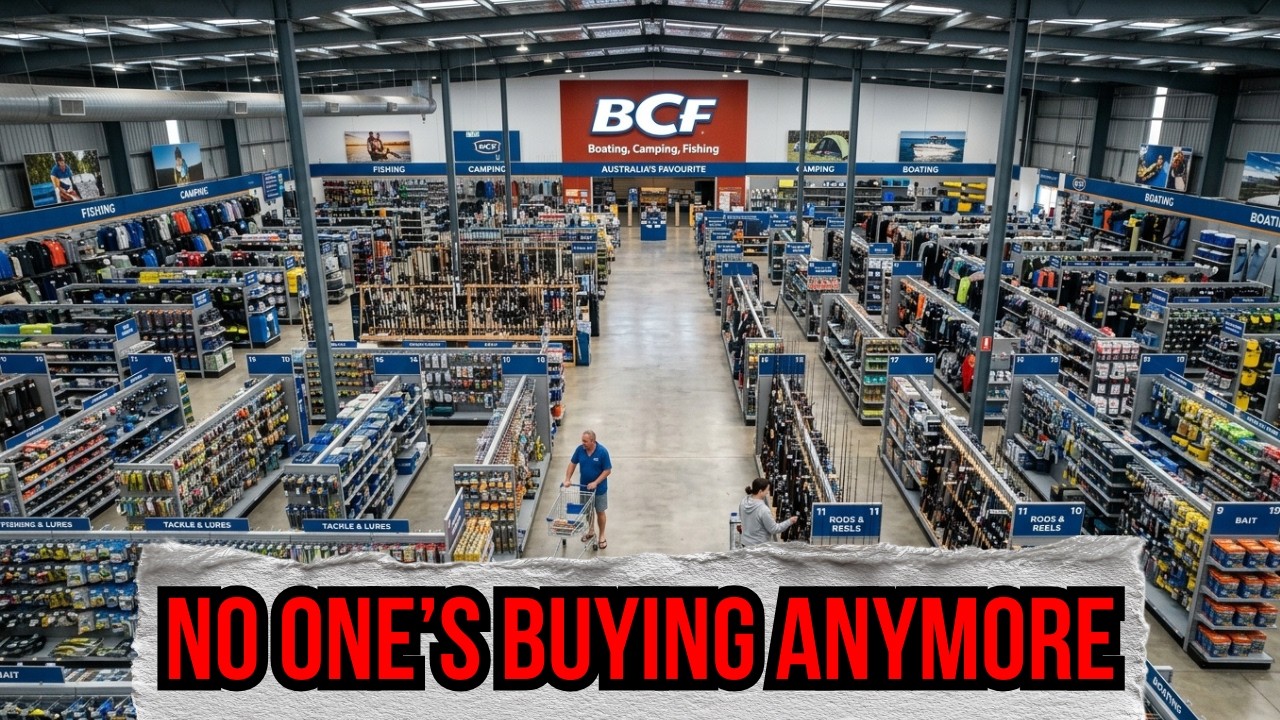
The era of the big-box fishing retailer in Australia is creaking, and a long-form Fisher Aus video posted in late April 2026 lays out exactly how badly. The piece traces a quiet but steady defection of experienced anglers from BCF and Anaconda back to the independent tackle shops that those chains spent two decades displacing.
Fisher Aus opens with a litany of failure: rods snapping mid-hook set, reels surrendering drag under moderate pressure, "over 3,000 gear failure reports flooding Australian angling forums in a single year." Behind the anecdotes sit hard numbers from a Nielsen 2026 retail audit, which the video says shows premium rod and reel sales at large Australian chains down 7% over two years, even though overall fishing participation has held steady or grown.
The footprint of the consolidation is just as striking. The number of independent tackle shops nationwide has slid from more than 4,500 in the early 1990s to fewer than 2,200 today, while almost 70% of the gear filling chain shelves in 2026 now carries a house-brand badge.
The Fisher Aus analysis spends a long beat on what those private-label rods are actually made of. It says 48% of the blanks on BCF shelves in 2026 are produced in Vietnamese factories that ramped up as labour costs climbed in China. Independent flex tests on private-label rods sold after 2022 reportedly returned a 12% variation in stiffness between rods with the same SKU; precision weight lures showed up to 15% deviation in laboratory studies, enough to meaningfully change casting accuracy and hook-set reliability.
A standard swap clause in supplier contracts, the narrator explains, allows manufacturers to substitute up to 20% of components or materials between batches "provided the rod passes a basic inspection." Quality control, in the video's words, "typically stops at checking that blanks are straight and guides are properly attached. There is almost no stress testing for flex or durability before shipping."
The on-water cost is where the case lands hardest. Fisher Aus walks through a 2025 incident at Lake Eildon in Victoria, where an angler's 7-foot graphite pro series rod, picked up from BCF a fortnight earlier, broke clean near the butt under load on a hard body. It contrasts that with a Broome charter case in which a tournament grade X500 spinning reel gave up its drag 15 minutes into a queenfish fight, leaving the angler "cranking a handle that spun without resistance."
By the time those stories reached Fishraider, Ausfish and the bigger Australian fishing Facebook groups, the analytics were ugly: "over 3,200 posts about reel drag and rod blank failures" in the 12 months that followed.
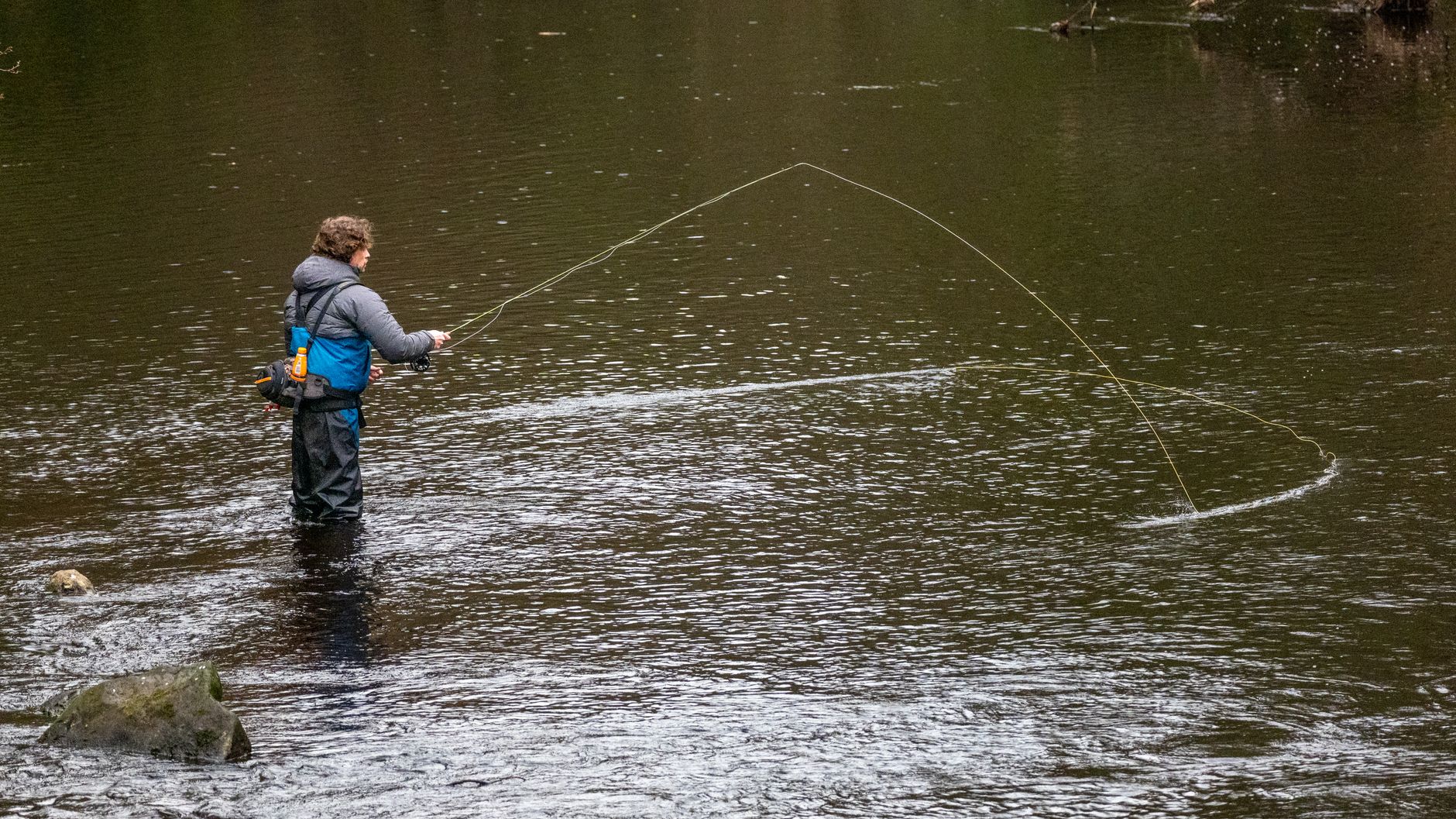
The flip side, according to the video, is that specialist tackle shops that survived the big-box wave are now compounding the trend. A Noosa shop owner is cited as recording a 17% increase in premium rod and reel sales since 2024, almost entirely from anglers who name reliability and recent chain failures as their main reason for switching.
Fisher Aus' closing argument is cultural as much as commercial. "Reliability is earned," the narrator says. "It's built in honest manufacturing, verified through real testing, and proven on the water. It cannot be packaged. It cannot be branded. And it cannot be faked."