The water in your favourite lake may be getting darker, and a sweeping new analysis says that shift is quietly redrawing the map of which fish thrive and which fade.
The phenomenon is called freshwater browning, and it is exactly what it sounds like. As more dissolved organic carbon and iron wash off the land, lakes take on a tea-stained tint. "Higher levels of carbon make water look brown because it's basically dissolved plant matter that stains the water like tea leaves would," explained researchers Allison Roth and Irene Gregory-Eaves, who led the work. The drivers are a warming climate, heavier runoff and, in a twist, decades of cleaner air that cut the acid rain which once kept soil chemistry in check.
Published in the journal Biological Reviews, the McGill University-led study pulled together data from 871 north-temperate lakes across eight economically important fish species, then examined another 303 lakes to track how whole communities are changing. The verdict is not uniform doom — it is a reshuffling of winners and losers.

On the losing side are some of the most prized sport species. Lake trout, yellow perch, lake whitefish and both largemouth and smallmouth bass all showed smaller populations in browner water. These are sight-feeders, and as visibility drops their hunting edge dulls.
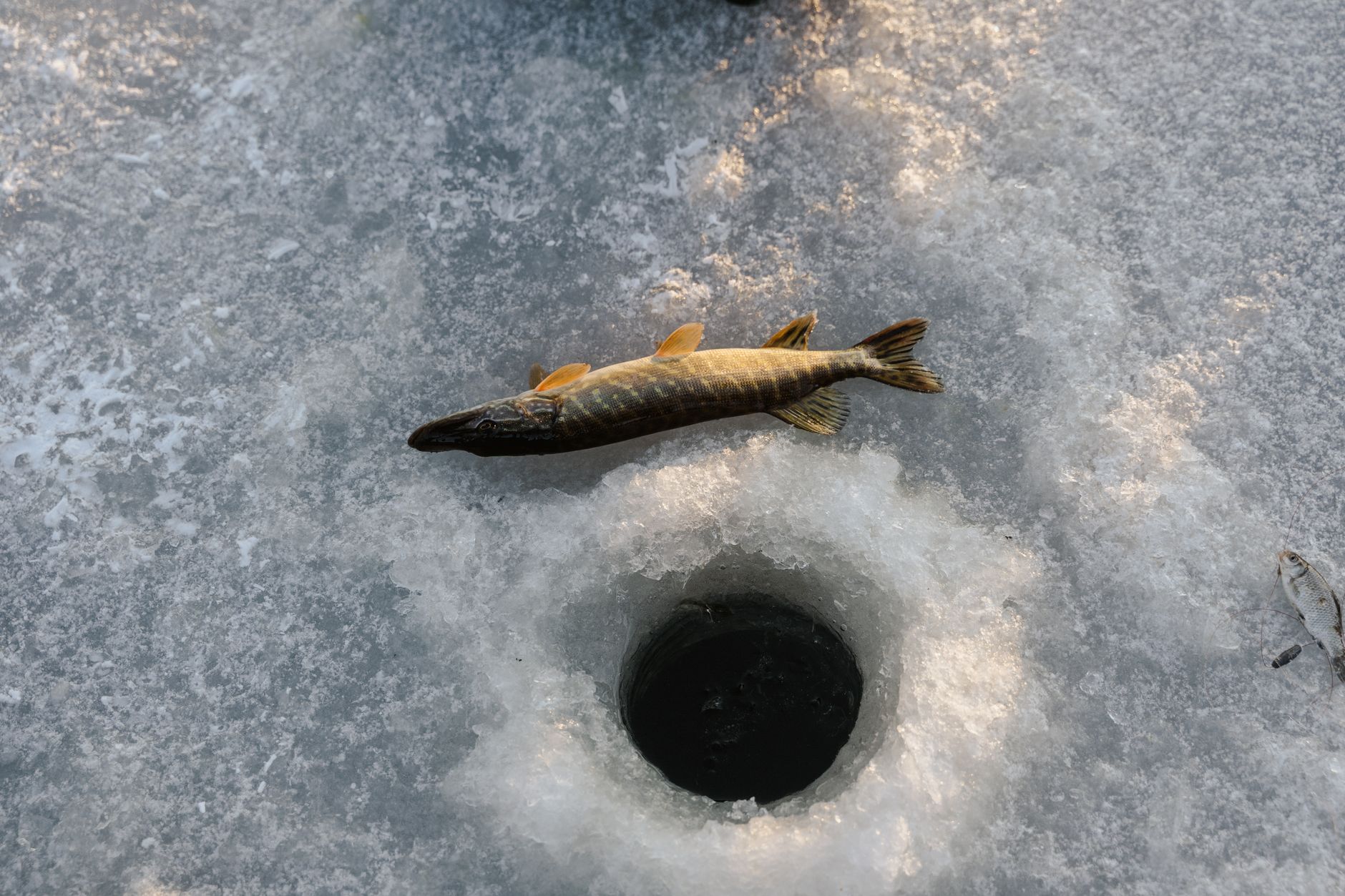
The winners are northern pike and walleye, both of which became more abundant as lakes darkened. The reason is biology. Walleye carry a specialised retina built for low light, while pike rely on a well-developed lateral-line system that senses vibration, movement and pressure changes rather than depending on clear sightlines. Browner lakes were also significantly more likely to hold species with larger eyes — a community-wide adaptation to the gloom.
For Roth, now an assistant professor at the University of Missouri, the implications run past the waterline. "Browning is affecting more than just fish," she said. "It's affecting the broader ecosystem," with the power to ripple out to the terrestrial systems connected to those lakes.
There is a practical message for anglers buried in the science. If your home water is trending darker, the lures that worked a decade ago may be working against you. The authors suggest leaning away from colourful, flashy presentations that depend on a fish seeing them, and toward baits that vibrate — triggering that lateral line — or carry scent that fish can track by smell. In short, fish the conditions, not the nostalgia.
The bigger takeaway is that browning is not a fringe curiosity confined to a few northern ponds. By stitching together hundreds of lakes, the researchers argue this is "something happening in many parts" of the temperate world at once. Walleye and pike specialists may quietly cash in over the coming decades. Trout and bass anglers, by contrast, may have to travel farther, adapt their tackle, or watch a familiar fishery slowly change character beneath that darkening surface.