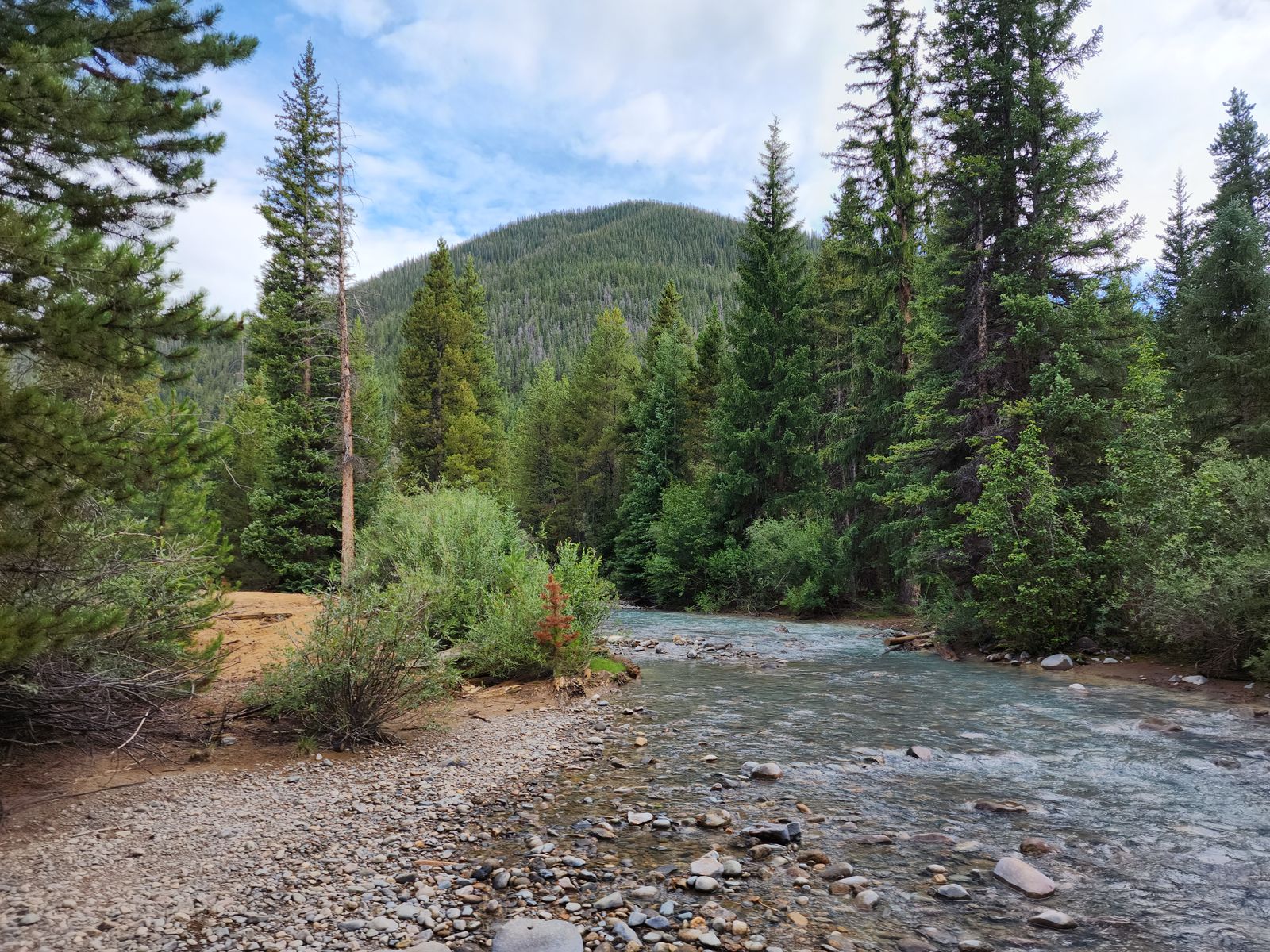
More than 44 million acres of national forest lost their strongest protection on paper this week, at least provisionally. The US Forest Service filed a proposed rule on Tuesday to rescind the 2001 Roadless Rule in full, across a National Forest System that runs to 193 million acres.
Fishing and hunting organisations did not wait. Trout Unlimited and Backcountry Hunters & Anglers both put out statements opposing the proposal the same day, alongside NRDC, Earthjustice, the Center for Biological Diversity and the Wilderness Society.
Trout Unlimited president and CEO Chris Wood advised the Forest Service chief when the rule came in a quarter of a century ago, and he does not see what has changed.

"There's absolutely no need to reverse the Roadless Rule, a policy that for 25 years has made hunting and fishing better, protected drinking water and threatened and endangered species," Wood said, calling it "a classic example of a solution in search of a problem."
His warning is a practical one about the agency's own credibility. The repeal, Wood said, "will compromise the social license the Forest Service needs to conduct more forest health treatments adjacent to communities of people, in other words, in places that are not roadless areas."
He expanded on the point to Outdoor Life. "The Roadless Rule works. It's our best elk hunting country, our best fishing waters, the places we go to recharge. But it also keeps taxpayers from footing the bill for thousands, maybe hundreds of thousands, of new roads that the Forest Service can't afford to build or maintain."
Wildfire is the government's whole case. Agriculture Secretary Brooke Rollins said overgrown stands, insect outbreaks and disease had turned "healthy landscapes into tinderboxes," and that it was "time to turn the page on the failed roadless rule."
Forest Service Chief Tom Schultz supplied the figures: over 40 percent of inventoried roadless areas rated high or very high for wildfire hazard, only 5 percent treated for hazardous fuels since 2014, and 11.3 million acres already close to existing roads.
"Acting now, thoughtfully and decisively, is the best way to restore the balance, reduce wildfire risk, and secure the long-term health of our forests and neighboring communities," Schultz said.
Anglers have gone after that premise rather than the politics. Outdoor Life conservation editor Andrew McKean cited "a peer-reviewed study of fire ecology published in January that reviewed 30 years of data" which concluded "wildfires are nearly four times more likely to start near roads than in roadless areas." Mapping firm onX attributes about 88 percent of wildland fires to human ignition, 90 percent of them within half a mile of a road.
Andy Walgamott of Northwest Sportsman gave the more textured local read. Some Northwest fires this summer did begin in roadless country, he noted, including the Three Queens, Paradise and Hagen blazes. But the Sinlahekin, Grasshopper and Rowe Creek Complex fires started well outside roadless ground and burned in, crossing plenty of roads on the way.
David Dreher of the National Wildlife Federation argued a narrower rule change could have won broad backing. "The administration chose to divide what could have been bipartisan support to instead wholesale eliminate an important conservation safeguard," he said. "This was a missed opportunity to have cross jurisdictional consensus to improve the 2001 rule, protect habitat, and reduce wildfire risks."
The stakes for anglers and hunters show up in the habitat data. Per onX, 99 percent of Wyoming's roadless acres are elk habitat and 96 percent of Arizona's are mule deer habitat. A Trout Unlimited report cited by Field & Stream found bull elk hunting success in Wyoming to be ten times better in roadless blocks than road-heavy ones.
Washington stands to see about 2.015 million acres affected and Oregon about 2 million, including the Liberty Bell area, Tiffany Mountain, the Teanaway, the Kettle Range, the Dark Divide, part of the upper Nestucca in Tillamook County and country above the Snake River in Wallowa County.
Nothing is settled. The rule remains in force through the comment period, which closes at midnight on 21 September via Regulations.gov, after which USDA decides whether to proceed, modify or withdraw. The published timeline points to a final rule late in 2026, and a separate repeal is moving through Congress after a Senate committee voted in June to attach one to the Wildfire Prevention Act.
USDA stresses the rescission removes a national designation without mandating logging or roads, handing those decisions to local forest managers. Anglers filing comments over the next month are betting that distinction will not survive contact with a district budget.