
Alaska's commercial salmon forecast for 2026 is in, and the headline number is sobering for any market that depends on wild Pacific fish. A draft Alaska Department of Fish and Game projection obtained by Tradex Foods and outlined in the company's 3-Minute Market Insight pegs the 2026 statewide harvest at 125.5 million salmon.
"This would equate to 36% lower than the 2025 odd-numbered year harvest of 194.8 million fish," Tradex Foods' Robert Reardon says in the report, "but 21% stronger than the last even-numbered year harvest in 2024." The contrast is structural rather than environmental. "This drop is largely expected due to the 2-year cycle of wild Pacific salmon, where even-numbered years are typically lower due to reduced pink salmon returns."
The species mix is more nuanced than the top line suggests. Sockeye, the highest-value salmon for both retail and export, is the bright spot. "Sockeye is projected to rebound strongly, up roughly 26% from 2024, and close to its 5-year average," the report notes. Chum salmon harvest is expected to remain above long-term norms despite easing from recent highs.

Pinks, the volume engine of the Alaska fishery, are set for the cyclical pullback. "Pink salmon volumes are set to drop sharply from 2025 and remain below 2024," Reardon says, "reflecting the typical even-year cycle, rather than a structural issue." Coho, by contrast, posts a modest year-over-year improvement but remains "tracking below historical averages, indicating continued supply tightness." Chinook produces a slight rebound from 2025, though "overall volumes remain structurally constrained and well below long-term norms."
It is the global picture, though, that determines how much pressure the 2026 season will put on wild Pacific salmon prices. "Global wild Pacific salmon supply is shaping up for a significant shortfall in 2026," Reardon says. Tradex's read on Russia is the most striking single line in the report. "Russia is projecting a total harvest of 204,000 to 260,000 metric tons, potentially more than 200,000 metric tons below its 5-year average."
The Alaska figure converted to weight underscores how lean a year that produces. "In Alaska, a forecasted harvest of 125.5 million salmon equates to roughly 250,000 metric tons, placing it approximately 70,000 metric tons below its 5-year average." Together, those two volumes represent a noticeable contraction in the world's two largest wild Pacific salmon fisheries, layered on top of structural Chinook and Coho weakness.
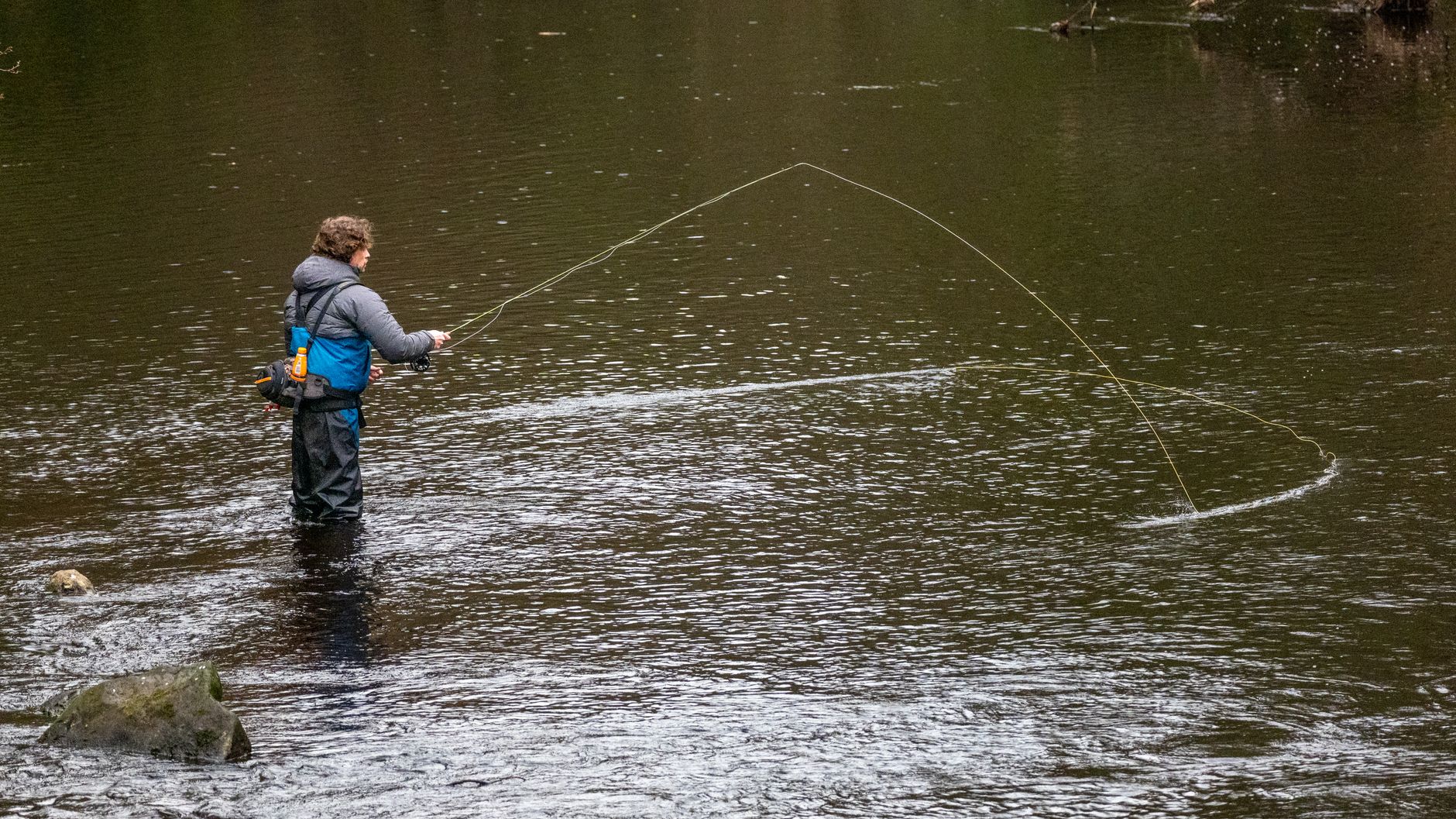
For sport anglers and charter operators, the commercial forecast still matters. River escapement and freshwater returns are linked to the same biological cycles, and a year of weaker pink salmon and constrained Chinook in Alaska tends to mean tighter retention rules and more cautious management decisions on the river side. Sockeye's projected 26% bounce off 2024, by contrast, is the kind of indicator that supports late-summer recreational openings on the Kenai and Bristol Bay tributaries when escapement targets are met.
For processors and buyers, Tradex's recommendation is direct. "Our recommendation is to connect with your Tradex Foods business representative to make a plan to navigate this year's salmon market," Reardon says, "and to keep tuned into all salmon updates as we prepare for the upcoming summer salmon season."
The 2026 outlook is not a crisis year by Alaska standards, but it is a year that will reward operators who lock in their plan early. Even-year cycles are forgiving in Sockeye, brutal in Pink, and unforgiving for anyone who builds a season around the previous year's volume.