
The 2026 Alaska salmon outlook is in, and the early read from Tradex Foods is that this is a finesse year rather than a volume year for the wild Pacific salmon market. The company's 3-Minute Market Insight, narrated by Tradex's Robert Reardon, walks through a draft Alaska Department of Fish and Game projection that puts the statewide harvest at 125.5 million salmon for 2026.
"This would equate to 36% lower than the 2025 odd-numbered year harvest of 194.8 million fish," Reardon says, "but 21% stronger than the last even-numbered year harvest in 2024." The drop, he stresses, is biology rather than collapse. "This drop is largely expected due to the 2-year cycle of wild Pacific salmon, where even-numbered years are typically lower due to reduced pink salmon returns."
Underneath that headline, the species mix tells a more interesting story. Sockeye is the strongest signal in the forecast. "Sockeye is projected to rebound strongly, up roughly 26% from 2024, and close to its 5-year average," the report says. Chum is reported above long-term norms despite easing from recent highs.

Pinks, the volume backbone of the Alaska fishery, are set for the cyclical pullback. "Pink salmon volumes are set to drop sharply from 2025 and remain below 2024," Reardon notes, again pinning the drop on the natural even-year cycle rather than environmental decline. Coho posts a small year-over-year improvement but is still tracking below historical averages, while Chinook delivers "a slight rebound from 2025, but overall volumes remain structurally constrained and well below long-term norms."
The more market-moving line in the briefing is the global one. "Global wild Pacific salmon supply is shaping up for a significant shortfall in 2026," Reardon says. Russia, the only fishery that rivals Alaska in scale, is forecast to come up short. "Russia is projecting a total harvest of 204,000 to 260,000 metric tons, potentially more than 200,000 metric tons below its 5-year average."
In Alaska, the numbers convert to a similarly tight tonnage picture. "In Alaska, a forecasted harvest of 125.5 million salmon equates to roughly 250,000 metric tons, placing it approximately 70,000 metric tons below its 5-year average." Across the world's two largest wild Pacific salmon producers, the 2026 supply is set to come in materially below the recent five-year benchmark.
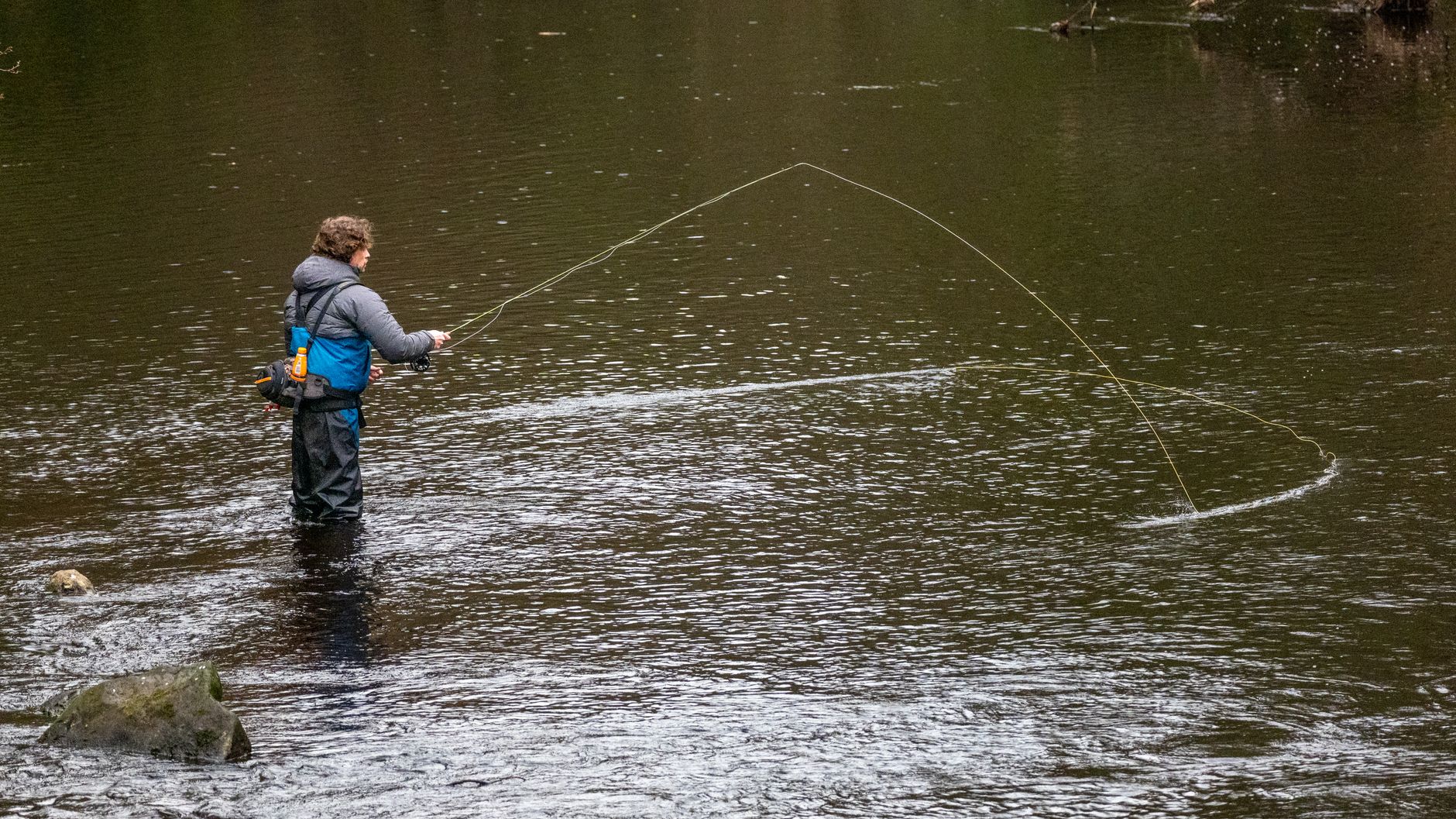
For recreational anglers, the implications run through escapement targets and management rules. A constrained Chinook outlook tends to translate into more conservative river-side regulation in Alaska's marquee freshwater fisheries, while a strong sockeye projection — close to its five-year average — supports the late-summer windows on the Kenai and Bristol Bay tributaries that drive the visiting angler economy.
For processors, exporters and the long line of buyers who depend on Alaska's run, Tradex's call to action is unsubtle. "Our recommendation is to connect with your Tradex Foods business representative to make a plan to navigate this year's salmon market," Reardon says, "and to keep tuned into all salmon updates as we prepare for the upcoming summer salmon season."
The 2026 forecast is not a disaster, but it is a year of asymmetries. Sockeye works, pinks pull back on schedule, Chinook and Coho lag, and Russia's contracting harvest leaves the global market with less of a buffer than it has had in years. For anyone building their plan around last year's numbers, the message is to revise it now.