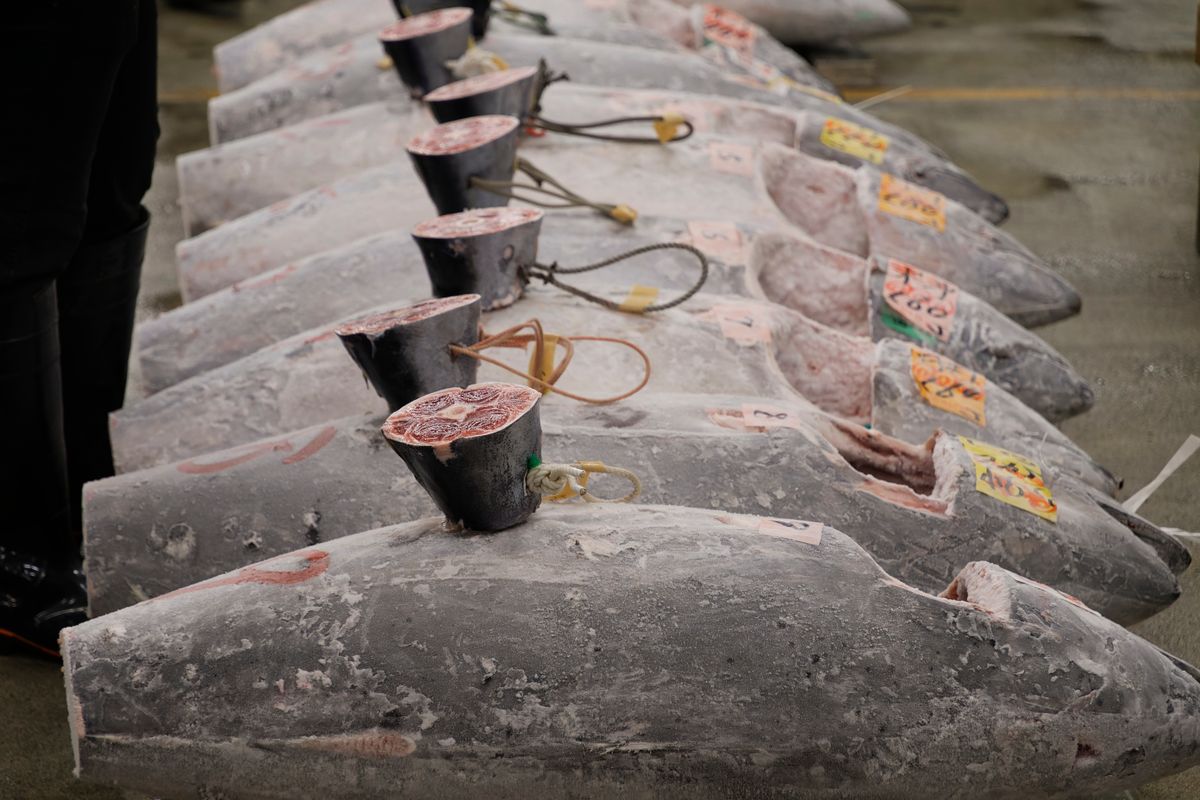
There are more Pacific bluefin tuna in Japanese waters than there have been in years — and for the country's fishermen, that has become a headache rather than a windfall.
A marked surge of bluefin along Japan's coast, fed by a real recovery in the stock and by warmer seas shifting the fish onto new routes, is colliding with the catch limits designed to safeguard the species. The quotas are set for the whole year, so an early rush of fish eats through the allowance well before the cold-season months when tuna carry more fat and command higher prices. Set-net crews who go over their limit have no choice but to let fish they have already landed swim away.
"It's truly upsetting to have to release fish that are right there in the net," Tadasuke Nakamura, a fisherman in Hakodate on Japan's Pacific coast, told Reuters.
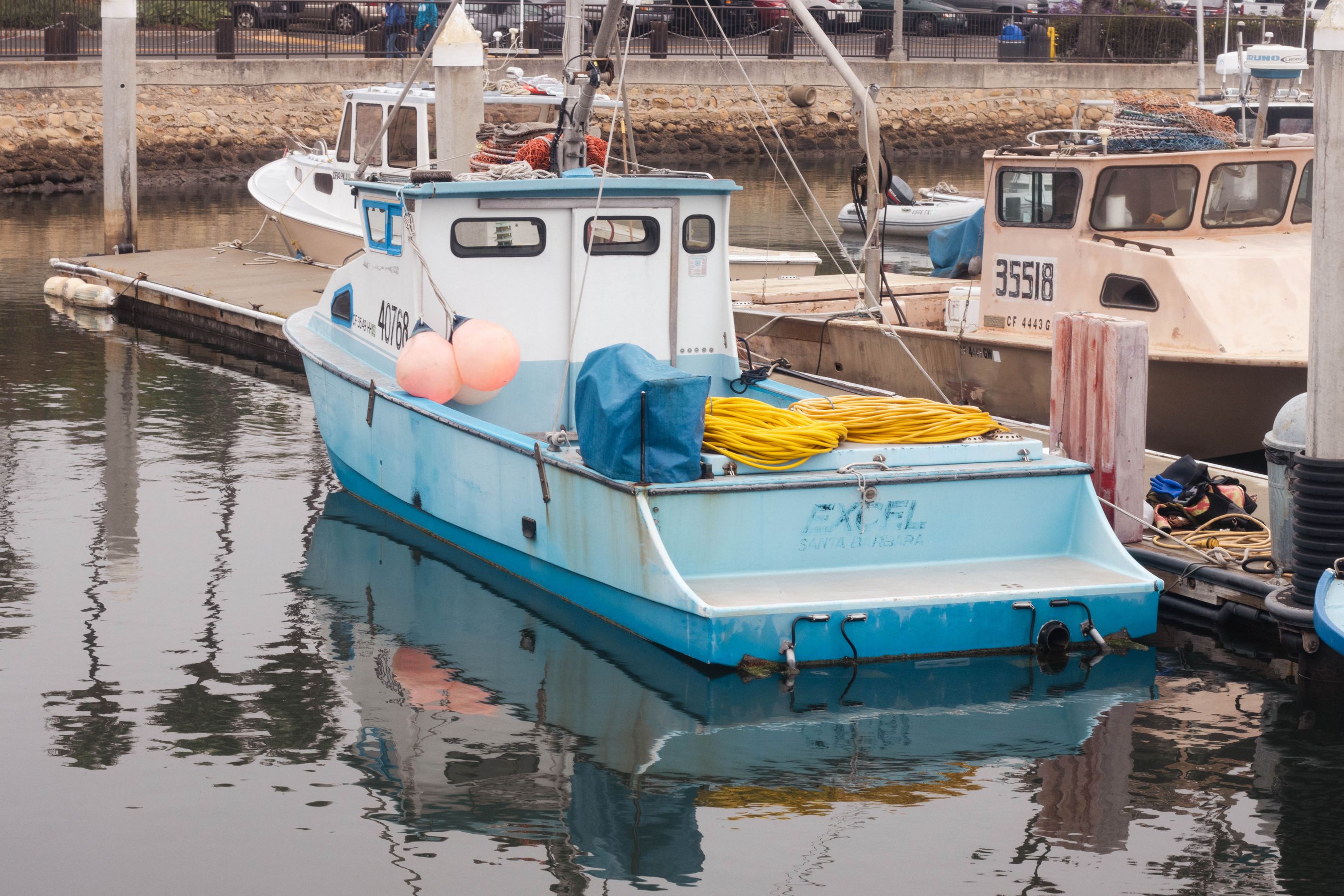
Toshiharu Uratani, who fishes off Fukui prefecture, was blunter still. "If there were a larger quota, we could have a massive haul," he said. "As it stands, we have to let the fish go, which means our efforts are wasted. The tuna are getting in the way."
The grievance has reached the negotiating table. When the Western and Central Pacific Fisheries Commission's Northern Committee met jointly with the Inter-American Tropical Tuna Commission in Nagasaki between July 8 and 14, Japan argued for a 25 percent lift in the regional quota for large bluefin over 30 kilograms — from 11,869 tons to 14,836 tons from 2027 — while offering to shave the small-fish quota by roughly 6 percent. It also wanted a formula that would set future limits automatically according to the health of the stock.
No agreement emerged. In the closing hours Mexico pressed for a bigger eastern-Pacific allocation and rejected the draft, a year after the United States had put conservation front and centre at a similarly deadlocked round. Takumi Fukuda, a councillor at the Japan Fisheries Agency, made his feelings plain.
"We were unable to reach an agreement because of the unreasonable actions of one country and we are feeling outraged," Fukuda said.

At home, fisheries panels within the ruling Liberal Democratic Party urged the government to keep fighting for a larger share, and Japan now wants the eastern-and-western split resolved ahead of the IATTC's annual meeting in late August. The WCPFC's own annual gathering in late November gives negotiators one more window to fix the 2027 numbers.
What makes the standoff so pointed is that the fish genuinely have rebounded. Japan's national cap of 8,421 tons for large bluefin this year was already a 50 percent rise on 2024. Spawning-stock biomass has climbed from roughly 12,000 tons in 2010 to 144,000 tons in 2022, with projections pointing above 200,000 tons by 2030.
That very success is the case for holding steady. "One reason for the increase in bluefin tuna is that resource management has been successful," said Masahiko Ariji, a professor at Kindai University's World Economy Research Institute — abundance, in other words, earned through years of discipline.
The surplus is rippling through regional markets. South Korea lifted its bluefin quota by 63 percent, and dock prices there have tumbled from about 15,000 won a kilogram to as little as 2,300 won as the catch overwhelms buyers. For Japanese crews releasing trophy fish while prices soften, it is a bitter equation — and the next round of talks is barely weeks away.