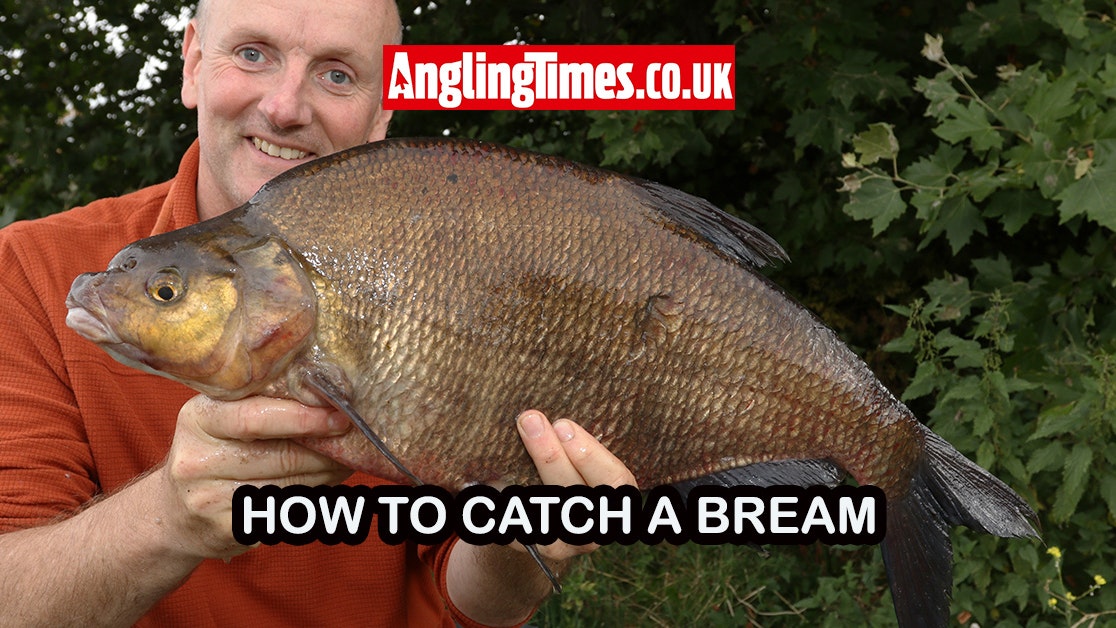
Bream are often misunderstood by anglers, frequently branded as nuisance fish by carp enthusiasts. However, for seasoned match and pleasure anglers, these fish can offer excitement and a decent challenge. "Big bream, often called 'bin lids' due to their size and shape, are prized fish that can put up a surprisingly good fight," said fishing enthusiast and veteran angler Jonathan Longden. His advice highlights that those new to fishing shouldn’t be dissuaded by negative perceptions, as with the right techniques, the rewards of bream fishing can be substantial.
To maximize your chances of catching bream, it's essential to understand their feeding habits. These fish are primarily bottom feeders, which indicates that using a feeder setup is the most effective strategy. "It allows you to get bait right where the bream are feeding, keeping them in your swim and encouraging confident bites," mentioned Longden. This method not only ensures your bait is presented effectively but draws bream into your fishing area.
Setting up an effective feeder rig doesn't require an expert's knowledge. First, you will need a feeder rod paired with a reel in the 3000-4000 size range. This should be loaded with 5-6lb monofilament line. "A simple running feeder rig is the best approach, utilizing a quick-change hooklength swivel for easy adjustments," Longden emphasized. A hooklength between 12 and 18 inches coupled with a size 16 wide gape hook will facilitate a successful catch.

An essential element to successful bream fishing is the groundbait. "Groundbait plays a huge role in drawing bream into your swim and holding them there," said Longden. He recommends starting with dedicated bream groundbaits available in most tackle shops. With experience, anglers often create their own mixes tailored to local venues.
The texture and consistency of your groundbait are pivotal. Longden advises, "Prepare your groundbait as soon as you arrive at your peg, giving it ample time to absorb water. This way, it can bind just enough to hold together in the feeder while remaining loose enough to break apart when submerged."
Choosing the right hookbait is another critical aspect. According to Longden, options such as maggots, sweetcorn, and soft hook pellets are particularly effective for targeting bream. “If you're struggling to get bites, switching between these choices can often turn a quiet session into a productive one,” he noted.
Once your feeder is ready, it's time to load it correctly. Longden suggests a technique to enhance bait presentation: "Sandwich free offerings inside the feeder for extra attraction. This way, you can create a powerful mix that bream will find hard to resist.” After filling the feeder correctly, it's essential to cast it into your chosen spot with precision to ensure the bait lands in the right area.
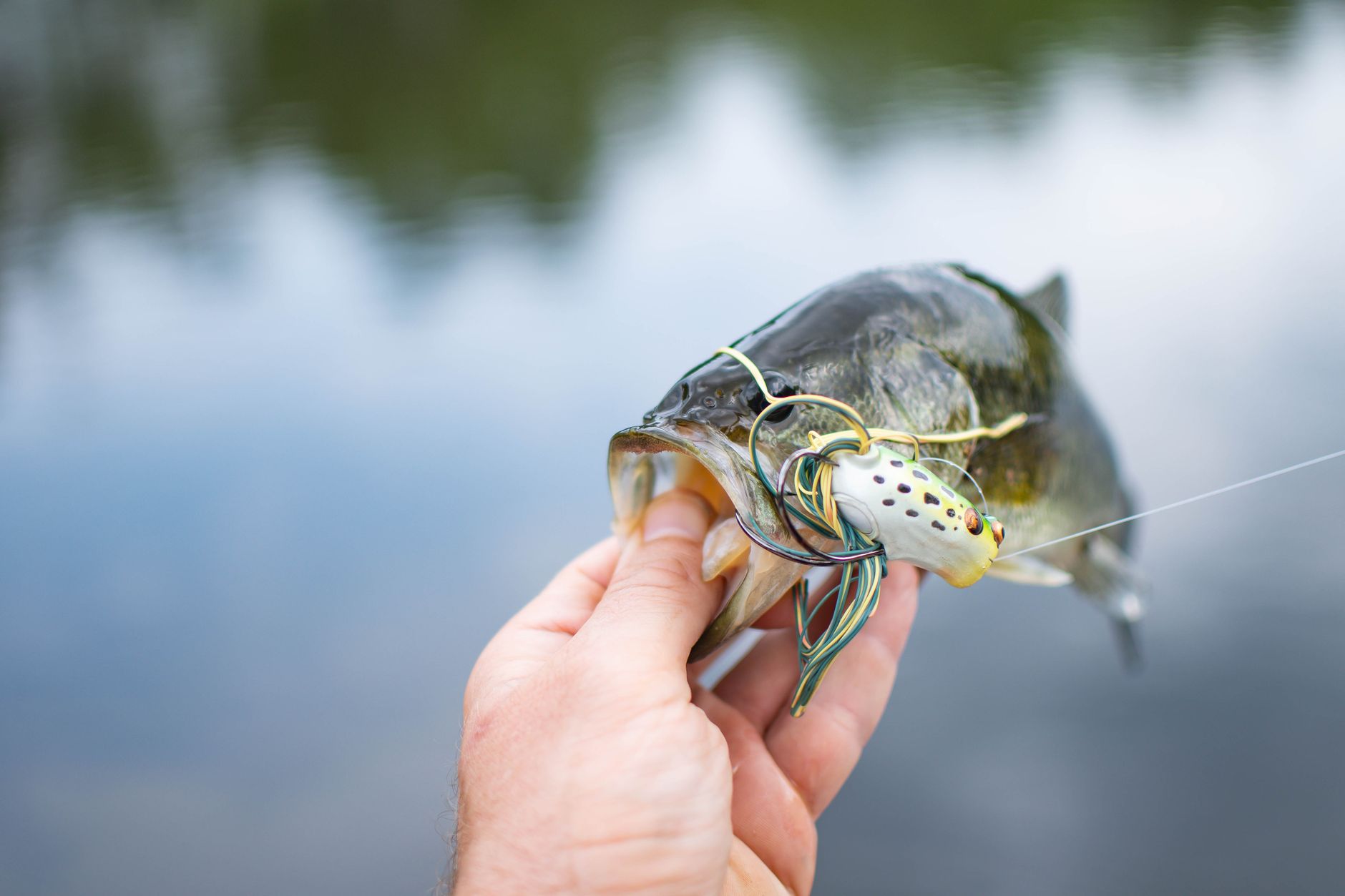
Bream fishing not only provides a thrilling experience but also builds a foundation for newcomers in the angling world. Mastering the feeder technique and understanding fish behavior will open many doors to successful fishing outings. As the summer months approach, many anglers venture to local venues with hopes of landing their first bream.
In conclusion, bream fishing is an excellent gateway for novice anglers. With proper techniques, tackle setup, and bait selection, the joy of landing your first bream is within reach. As more anglers discover the thrill these fish offer, the conversation around their value is likely to shift positively in fishing communities.