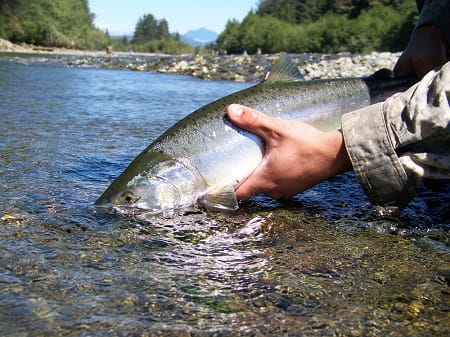
Salmon fishing in crystal-clear waters represents one of angling's most challenging yet rewarding pursuits. While the transparency of low water conditions allows anglers to spot their quarry, it simultaneously makes fish more wary and difficult to catch, creating a paradox that has frustrated countless fishing enthusiasts.
The challenge becomes apparent when salmon actively avoid bait presentations. As one angler recently reported, "I noticed that the salmon would move away from my bait as it passed by them." This behavior, while discouraging, is actually quite common in clear water conditions where salmon can easily detect threats and react accordingly.
Understanding why salmon behave this way is crucial to developing effective strategies. In clear water environments, salmon operate with heightened awareness, their survival instincts finely tuned to detect anything unusual in their surroundings. "Pressure fish are also more likely to be on high-alert and very cautious about anything out of the ordinary," according to veteran angler advice. This elevated caution means that fishing setups that might work perfectly in murky water become liabilities in clear conditions.
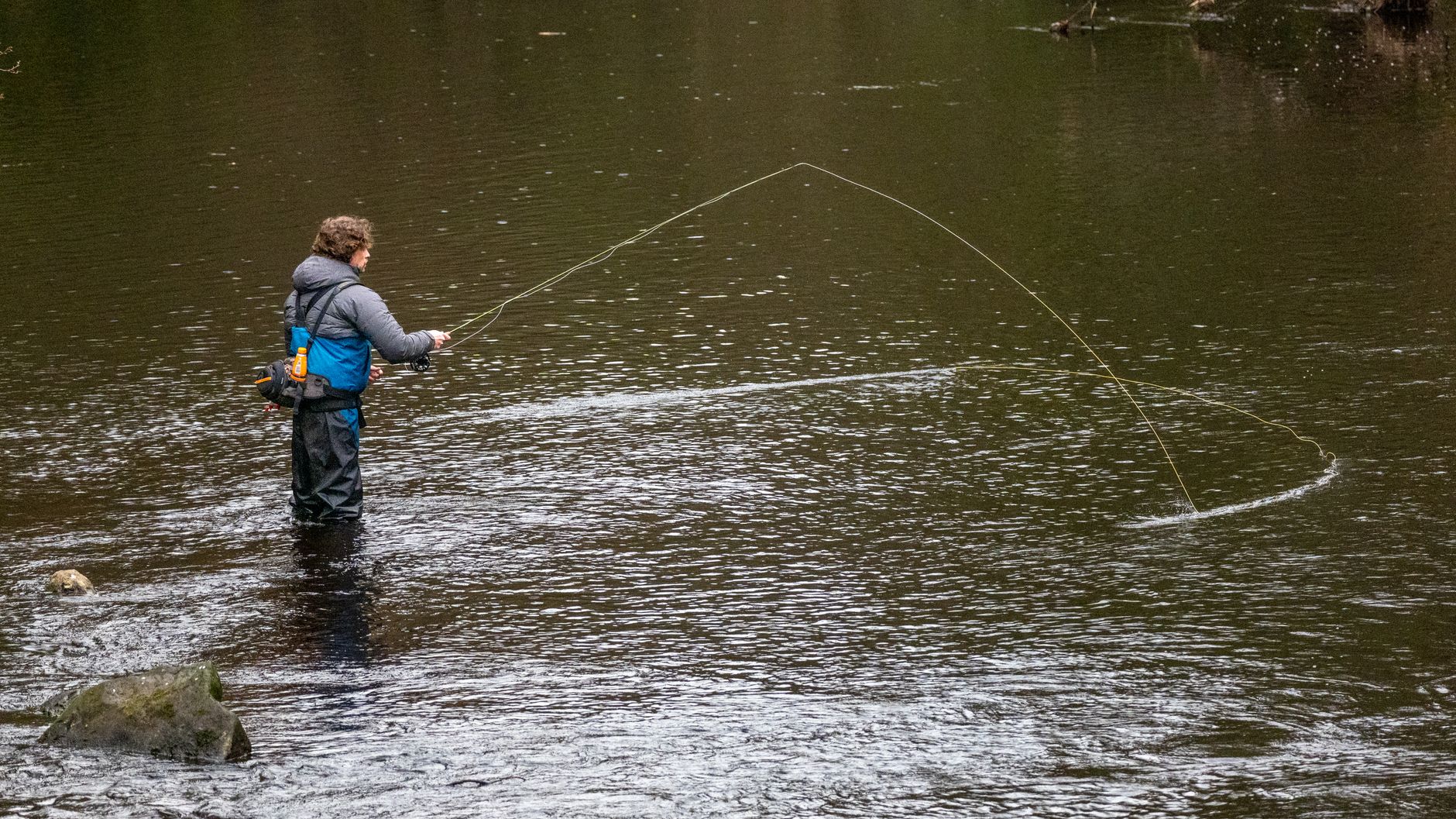
"Pressure fish are also more likely to be on high-alert and very cautious about anything out of the ordinary,"

Career Journey
The visibility factor cannot be overstated. When salmon can see every component of an angler's setup clearly, even minor imperfections or unnatural elements can trigger their flight response. This reality requires a fundamental shift in approach, moving from standard fishing techniques to specialized clear-water strategies.

Experienced anglers recommend starting with leader selection, perhaps the most critical component of clear-water fishing. "Use the absolute lightest leader and shot line possible when fishing in slower water, clear water, and when the salmon are holding or are spooked," advised one experienced angler. The temptation to use heavier, more durable leaders must be resisted when visibility is high, as salmon can easily detect thicker lines and will avoid them instinctively.
"Use the absolute lightest leader and shot line possible when fishing in slower water, clear water, and when the salmon are holding or are spooked,"
Float selection represents another crucial decision point. Traditional, highly visible floats that work well in normal conditions become counterproductive in clear water. "In low clear water salmon fishing, I use a clear, low-profile float like the Drennan float," remarked a seasoned fisherman who has adapted his approach to these challenging conditions. The minimalist philosophy extends beyond just color to profile and size, with smaller, less intrusive options proving more effective.

"In low clear water salmon fishing, I use a clear, low-profile float like the Drennan float,"
Weight selection demands equal attention to stealth. "The salmon can see your weights, and those weights can spook fish," warned one knowledgeable source. Shiny or oversized weights that might attract fish in murky water become red flags in clear conditions. The key lies in using the minimum weight necessary to achieve proper presentation while ensuring that weights remain as inconspicuous as possible.
"The salmon can see your weights, and those weights can spook fish,"
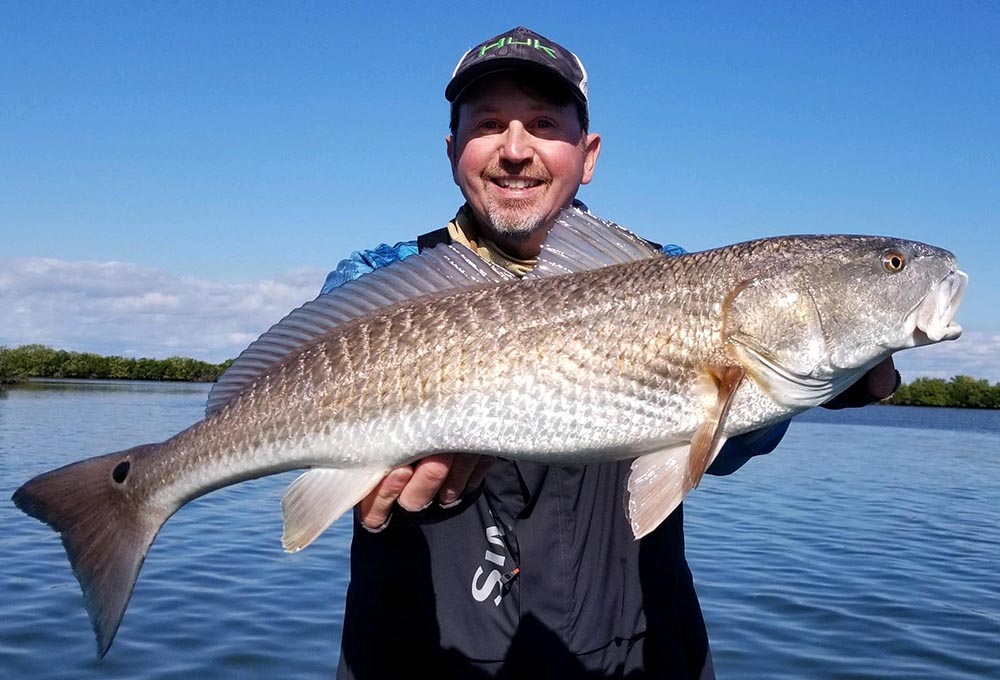
Bait strategy requires similar adaptation. Traditional salmon baits that rely on size and visibility for attraction often prove counterproductive in clear water scenarios. "If you have already determined that the salmon are moving away from your presentation or are not eating your current bait, change it," advised an industry expert. The principle here involves downsizing and selecting more natural-looking options that won't trigger the fish's alarm responses.
"If you have already determined that the salmon are moving away from your presentation or are not eating your current bait, change it,"
The concept of stealth extends beyond tackle selection to presentation technique. Excessive noise and movement, whether from the angler or the fishing setup itself, can instantly alert salmon to danger. "A small nymph might work better than a spawn bag," suggested a well-regarded angler, highlighting how subtle presentations often outperform traditional approaches in clear water conditions.
"A small nymph might work better than a spawn bag,"
Career Journey
Timing plays an increasingly important role in clear water fishing success. Many practitioners have found that fishing during early morning hours or just before dusk can yield significantly better results. During these periods, reduced light levels provide some cover for fishing setups while salmon remain active and feeding.
Career Journey
Perhaps most importantly, clear water fishing demands patience and keen observation skills. "Watching salmon move away from your setup as it approaches and passes them clearly indicates that they are seeing something they don't like," emphasized a fishing veteran. This visual feedback, while initially discouraging, actually provides valuable information that allows anglers to adjust their approach in real-time.
"Watching salmon move away from your setup as it approaches and passes them clearly indicates that they are seeing something they don't like,"
The learning curve for clear water salmon fishing can be steep, but the rewards justify the effort. Success requires abandoning many conventional fishing assumptions and embracing a more refined, subtle approach. Local expertise can prove invaluable in this process, as conditions vary significantly between different bodies of water and regions.
Ultimately, mastering clear water salmon fishing represents a evolution in angling skill, demanding greater attention to detail and a deeper understanding of fish behavior. While the challenges are real, anglers who invest the time to develop these specialized techniques often find themselves consistently successful in conditions that stymie others.